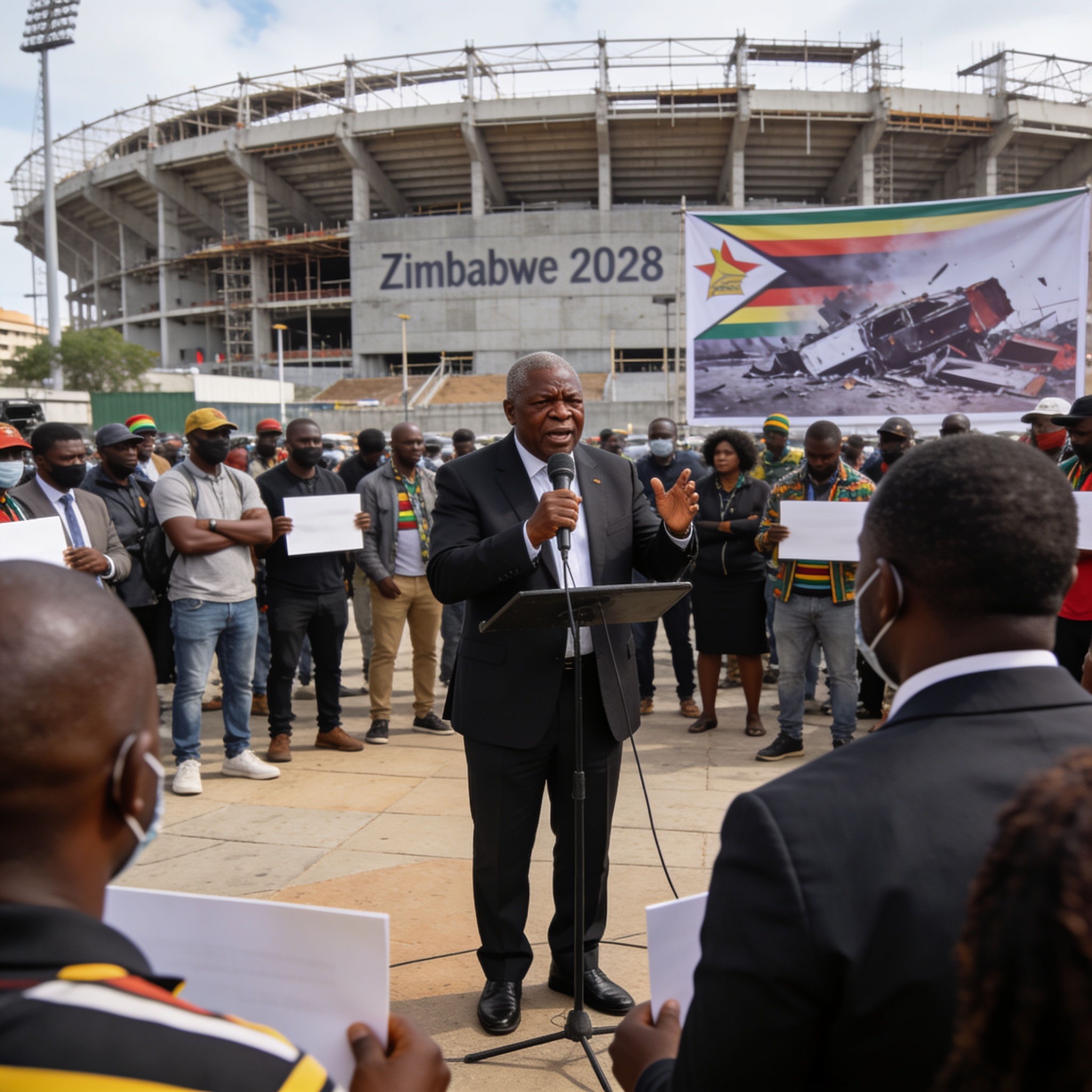
Zimbabwe’s government has officially declared September 15 as a new public holiday, Munhumutapa Day, coinciding with President Emmerson Mnangagwa’s birthday. The announcement, made through Statutory Instrument 148 of 2026, has drawn sharp criticism from activists who argue the move is an exercise in self-glorification rather than a genuine celebration of national heritage.
The holiday, which will be observed annually from 2026, is framed by authorities as a way to honour the legacy of the pre-colonial Mutapa Empire. However, critics point out that the date aligns directly with the president’s personal birthday, suggesting the decision is politically motivated to boost his cult of personality. The move comes amid broader concerns about democratic backsliding and the extension of presidential term limits.
Opposition figures and civil society groups have condemned the declaration. In a statement, social justice advocate Tendai Ruben Mbofana argued that tying a national holiday to a sitting president’s birthday risks cheapening the Munhumutapa heritage and will likely be reversed once the current leadership loses power. “Legacies built on self-glorification never last,” Mbofana wrote in an opinion piece, adding that history shows such top-down honours are usually dismantled after a ruler leaves office.
Meanwhile, President Mnangagwa has also made headlines for comments suggesting he expects to remain in power well beyond his current term. At a recent tourism expo, he drew laughter when he jokingly told delegates he looked forward to serving as president until 2035. These remarks come after constitutional amendments extended presidential terms to 2030, raising fears of further power consolidation.
The declaration of Munhumutapa Day is likely to add fuel to ongoing debates about governance in Zimbabwe. While government supporters see it as a fitting tribute to a leader who champions heritage, opponents view it as a sign of growing authoritarianism. The holiday will mean closures of schools and businesses every September 15, a prospect that has already sparked heated discussion on social media.
As the date approaches, Zimbabweans are watching closely to see whether the public holiday will gain genuine national acceptance or remain a symbol of political controversy.