Former Finance Minister Tendai Biti has launched a scathing attack on Zimbabwe’s economic narrative, dismissing the government’s much-touted growth as “mascara and lipstick” that masks widespread poverty and structural weakness.
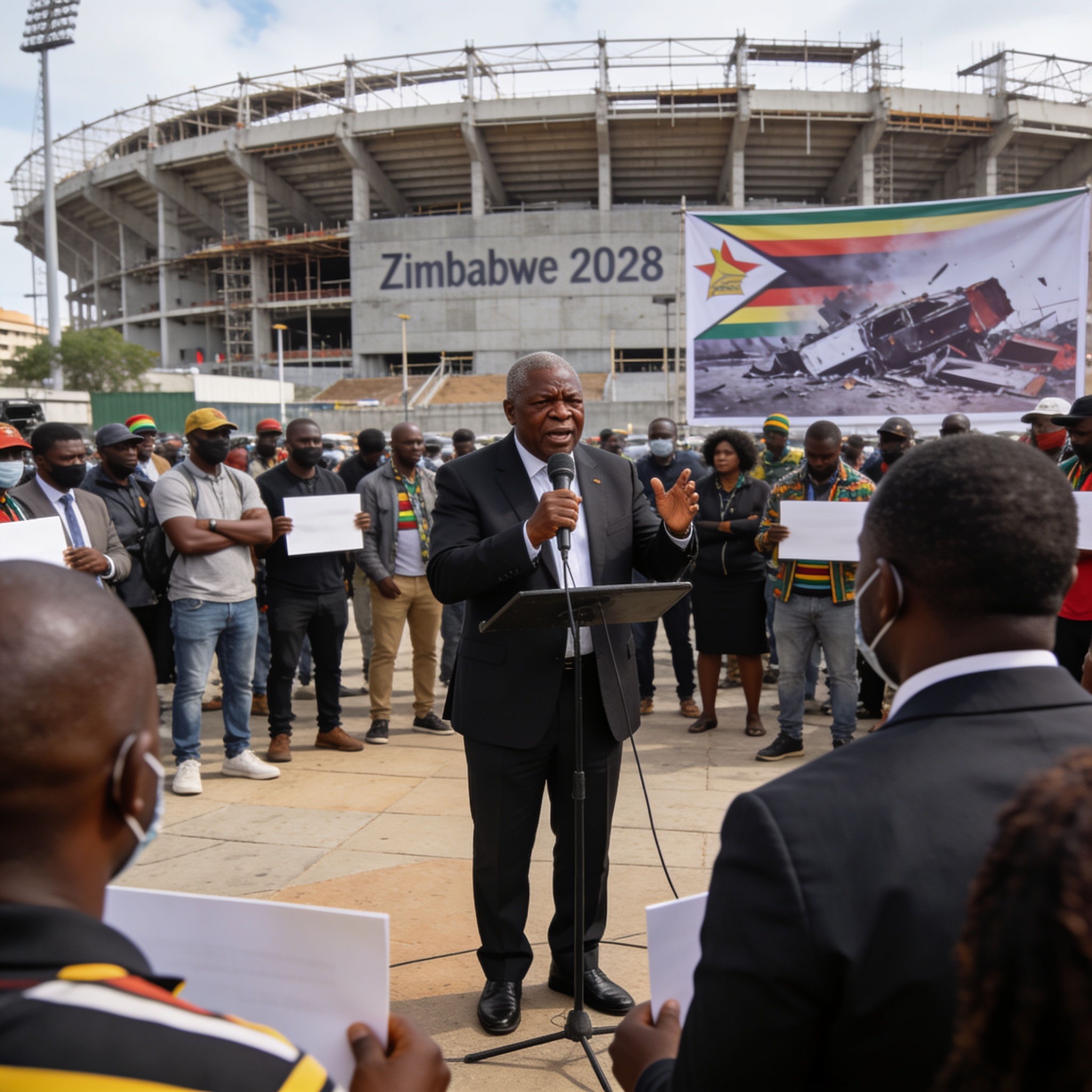
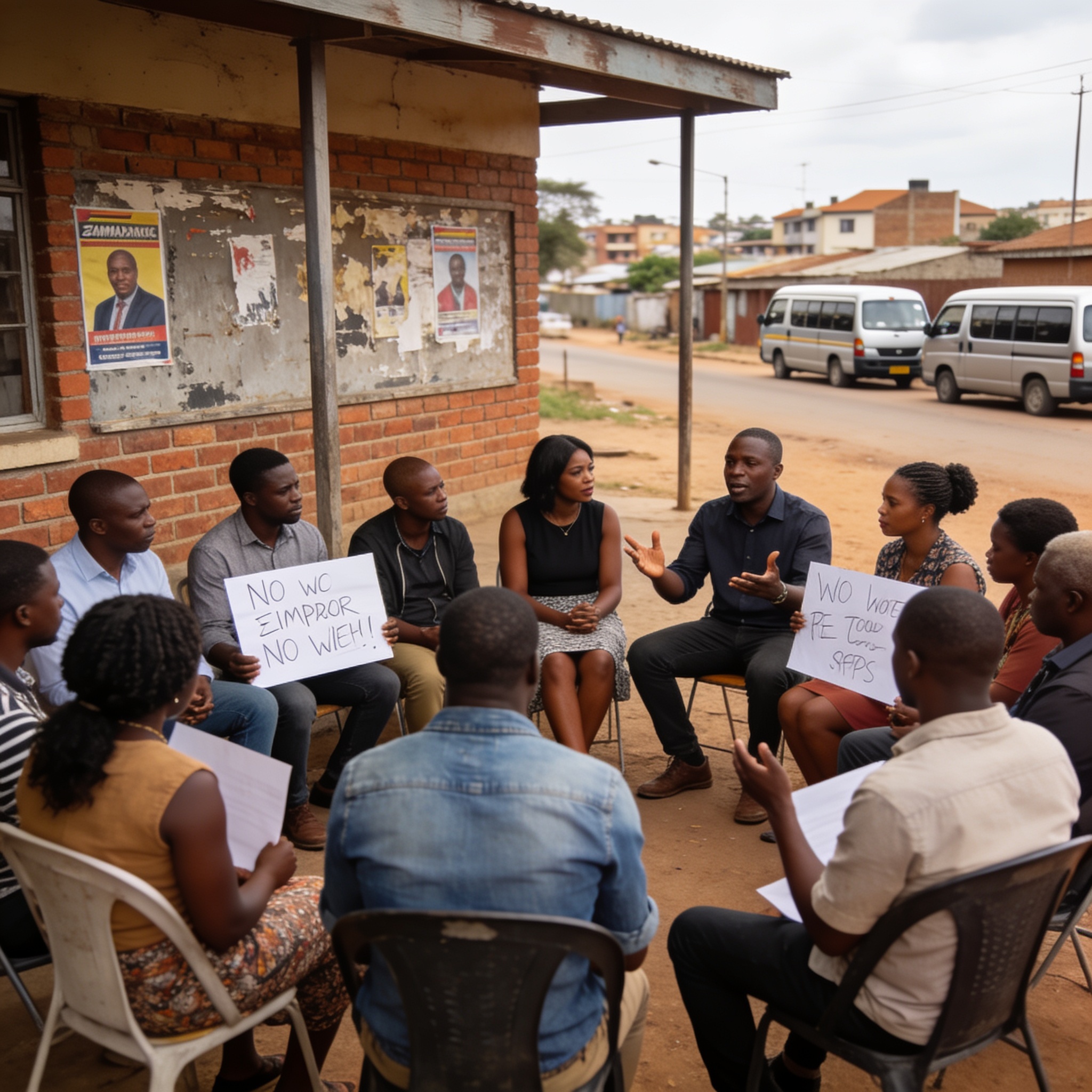
Speaking at a SAPES Policy Dialogue in Harare on Thursday, Biti accused authorities of “cooking books” by repeatedly rebasing the economy to inflate Gross Domestic Product (GDP) figures, a practice he said was designed to support the political goal of achieving upper-middle-income status by 2030.
“They have quietly rebased, I should say dishonestly, rebased the economy to US$59.7 billion,” Biti said, noting that Zimbabwe’s GDP had been rebased three times in four years, rising from about US$21 billion to US$52 billion between 2023 and 2025.
He said the 2026 Mid-Term Budget Review cited gross national income per capita of about US$3,203 in 2025, up from US$1,737 in 2021, figures he argued were inconsistent with the lived reality of ordinary Zimbabweans.
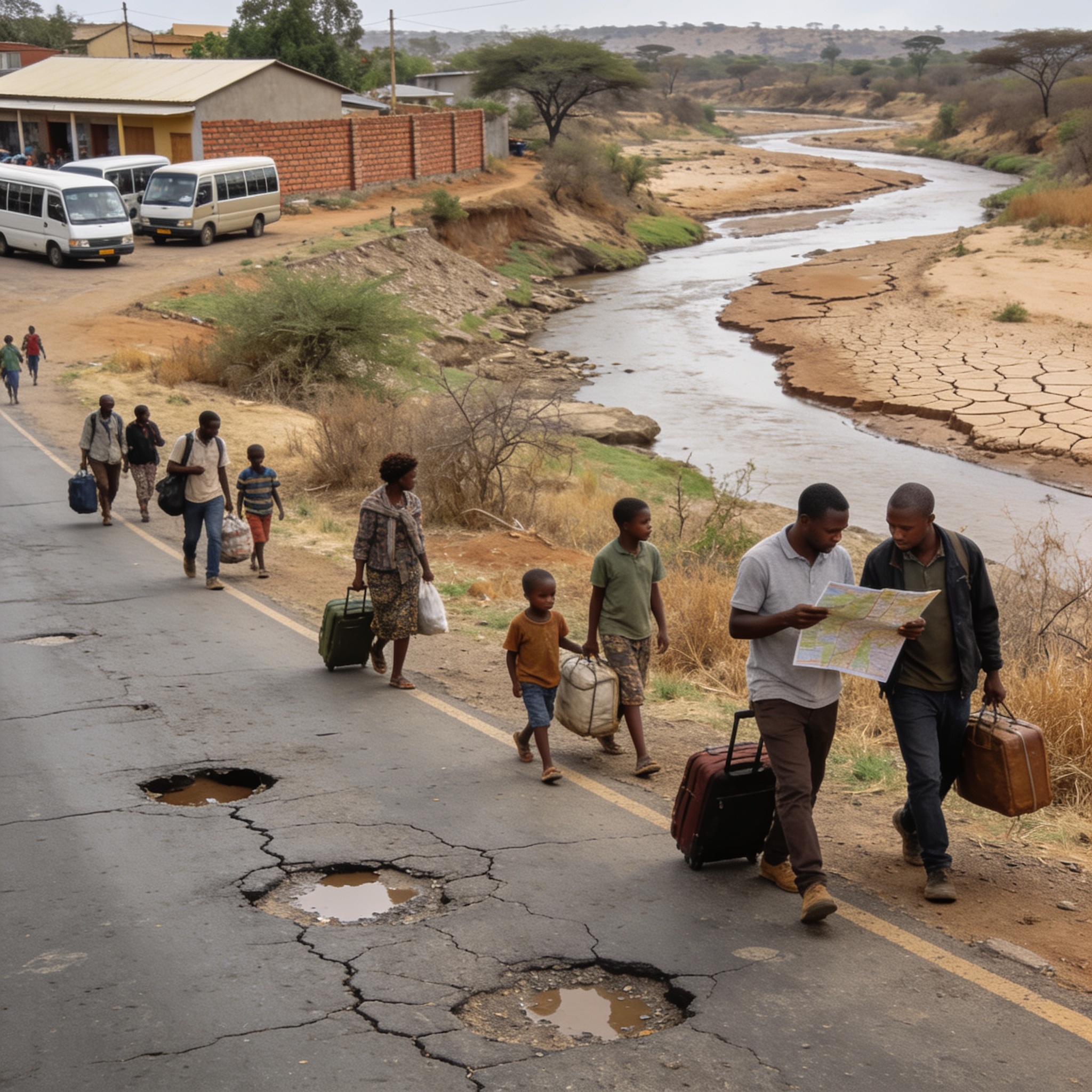
“The ordinary average person is living in poverty in a country where they can’t access public health facilities, where they can’t send children to school, where they are going through power cuts, potholes, lack of water and deep underdevelopment,” Biti said.
Biti also challenged the World Bank’s decision in July 2026 to remove Zimbabwe from its list of severely fragile and conflict-affected economies, describing it as a “desktop classification” based on a revised methodology rather than actual improvements on the ground.
He pointed to the country’s political tensions surrounding the Constitutional Amendment Act No. 3, the unresolved legacy of the 2017 military-assisted transition, and a worsening social crisis as evidence of continued fragility.
The former minister said Zimbabwe’s growth was largely driven by high commodity prices, a strong agricultural season, and consumption funded by diaspora remittances, rather than a broad-based transformation of the productive economy.
He cited World Bank figures showing that about 50% of Zimbabweans live below the international poverty line of US$3 a day, and noted that about 80% of the workforce is in the informal sector with low incomes and no social protection.
Biti also questioned the stability of the Zimbabwe Gold (ZiG) currency, saying it was being shielded through controls and a fixed official exchange rate rather than operating in an open market, with a parallel market premium of almost 20%.
He argued that Zimbabwe’s debt burden, estimated between US$22 billion and US$32 billion, and corruption, which he said costs the economy at least US$4 billion annually, further undermined any claims of economic progress.
“The economy is a lived reality,” Biti reiterated. “The ordinary average person is not living in that matrix at all.”