
Zimbabwe’s national conversation this week has been shaped by a court ruling in Bulawayo, a fresh investment signal from a development bank, and the ongoing fallout from a deadly helicopter accident in Marondera. Together, the developments highlight how justice, infrastructure finance and public trust remain central issues for the country.
Court confirms teacher’s prison term
A former biology teacher at a Bulawayo school has failed to overturn a custodial term amounting to 20 years after a trial conviction for the rape of a teenage pupil. The convicted man’s appeal argued that the relationship was romantic and that any sexual contact was based on mutual consent. The appellate court rejected that version, saying the trial evidence pointed to force, immediate reporting and supporting medical and witness accounts rather than a consensual episode. For many observers, the ruling reinforces the principle that allegations of romance cannot substitute for clear proof before the law.
IDBZ places tourism in foreign-currency strategy
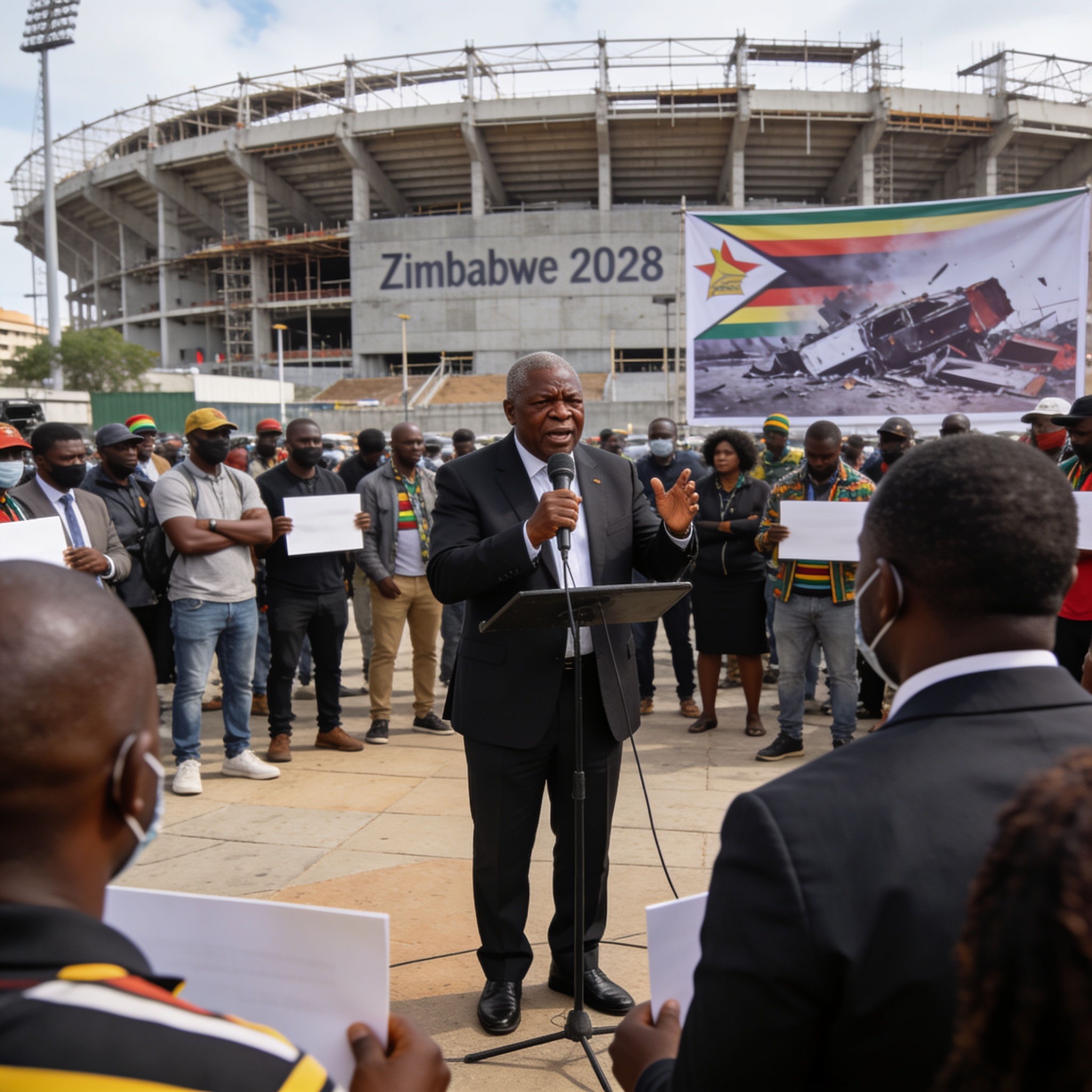
The Infrastructure and Development Bank of Zimbabwe has positioned tourism as a priority area for external-currency investment support. The move goes beyond funding physical construction, opening the door to financing for project development, operational needs and related business requirements. The bank has also argued that the country’s modernisation push depends on attracting private money into rail, power and city infrastructure, which can reduce business costs and support a move toward upper-middle-income status. Tourism’s inclusion reflects the sector’s potential to bring foreign exchange, create jobs and strengthen value chains around hospitality, transport and local supply.
Marondera helicopter tragedy deepens public debate
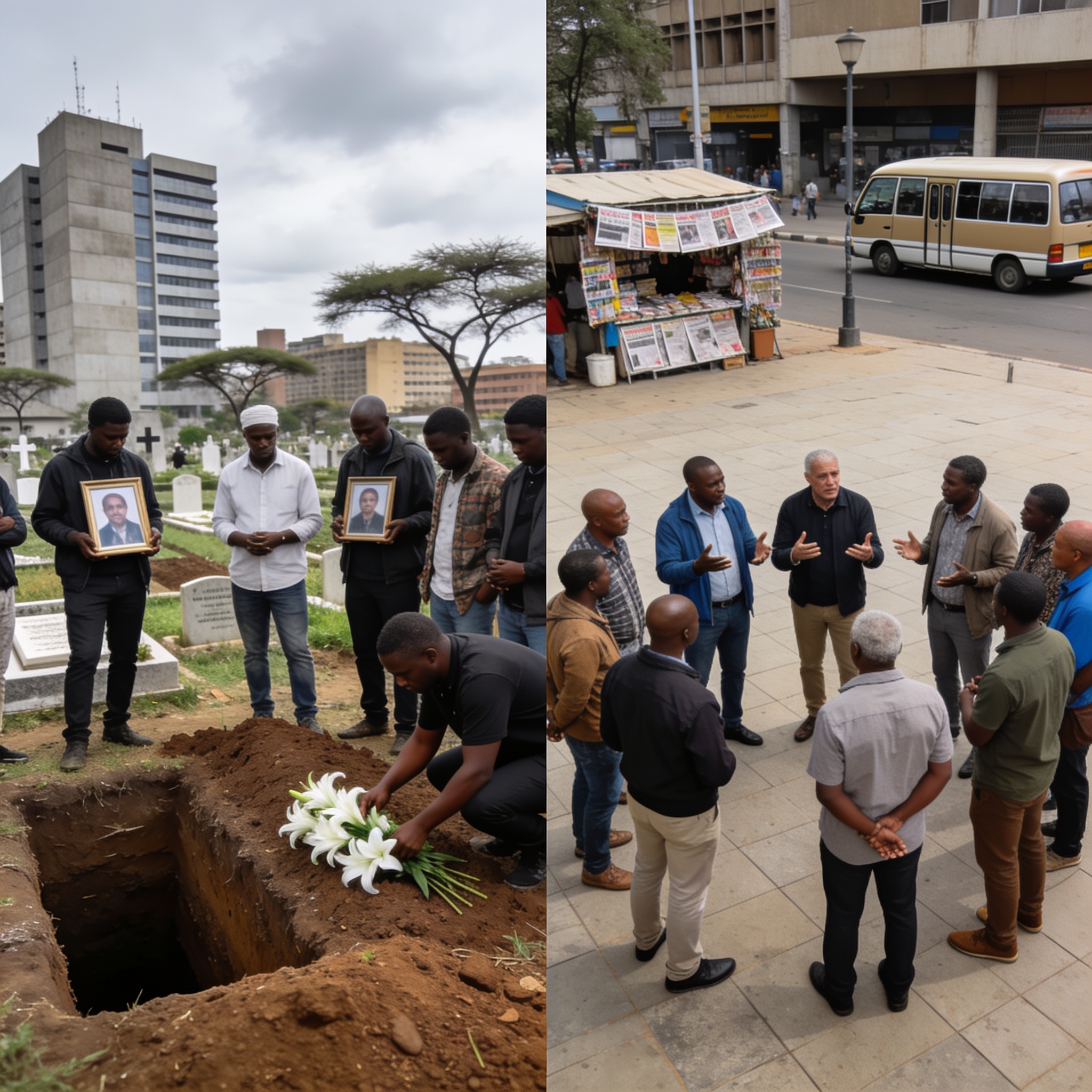
Police have confirmed that five people died in the Marondera helicopter crash, including businessman Wicknell Chivayo and his wife Lucy Muteke. The victims also include Saneliswe Magagula, pilot Calvin Tafirei Soda and co-pilot Courage Mutavirwa. Investigators from forensic and aviation fields are examining why the aircraft went down and caught fire, while official sources say further findings will be made public as the inquiry continues.
The accident has prompted condolences from public figures, including religious leaders who earlier received major donations or gifts from Chivayo. Prominent clergymen Emmanuel Makandiwa and Walter Magaya expressed sympathy for the family, highlighting the businessman’s generosity. However, the episode has also revived criticism over high-value gifts to influential figures, with commentators asking where personal philanthropy, public influence and accountability meet.
Music industry adjusts after postponed events
Music icon Thomas Mukanya Mapfumo said he had already been paid in full for two engagements associated with a planned Harare event and the late businessman’s birthday. His remarks came after the postponement of a celebrity wedding linked to the same arrangements. A statement from his public relations team said discussions were continuing with the relevant event organisers and that any future performance would be honoured after a new schedule is confirmed.
Private sector recognition in Harare
Business leaders received public recognition at a Harare event highlighting resilience and innovation. Megafest Holdings’ awards programme named 20 figures for excellence, a reminder that despite economic pressure, formal corporate recognition remains an important way to encourage investment and performance. While smaller than major policy stories, such events matter for market confidence because they spotlight employers, entrepreneurs and sectors that can contribute to recovery.
What Zimbabwe’s news cycle reveals
These stories connect three themes: courts must deliver predictable accountability, development banks are seeking credible ways to channel scarce currency into productive sectors, and personal networks, wealth and public mourning still influence national dialogue. The week suggests that Zimbabwe’s public debate is not just about one institution or one tragedy. It is about how responsibility, investment and transparency interact as the country searches for stable growth and stronger civic trust.