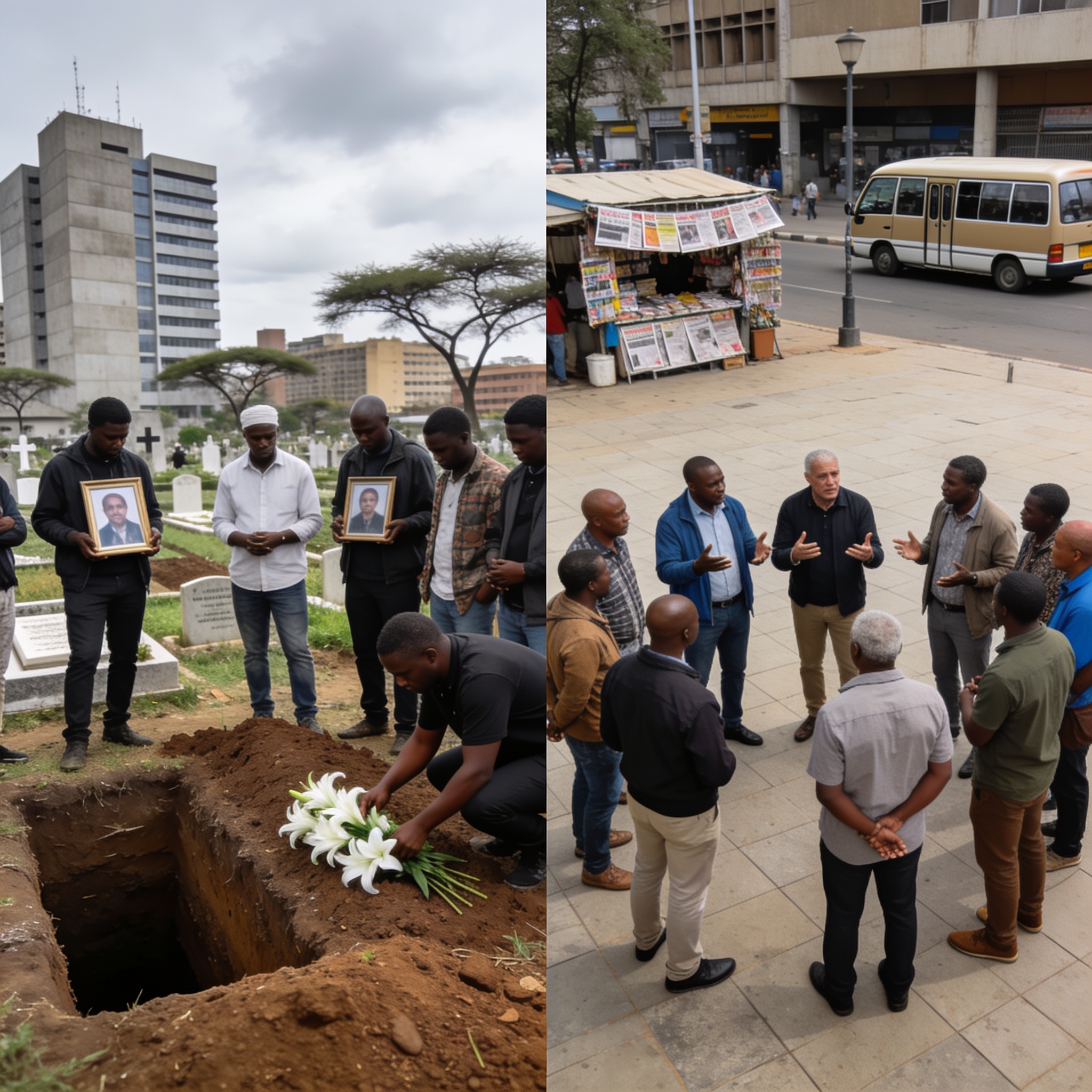

Zimbabwe opens national campaign against domestic harm
Zimbabwe has started a 90 day effort to confront intimate partner violence, linking it to a broader drive to reduce sexual abuse and household conflict before the 16 Days of Activism Against Gender Based Violence.
The initiative, announced by the Zimbabwe Gender Commission, arrives after authorities recorded thousands of sexual offence and aggravated domestic violence cases in the previous year. Officials say some incidents escalate into serious injury, death or suicide, making prevention more urgent than waiting for victims to seek help after harm occurs.
The Commission also highlighted survey data showing that a sizeable share of women and girls experience physical or sexual violence. It warned that official numbers may understate the problem because stigma, fear, dependence on household income and social pressure keep many cases hidden.
The campaign will aim to involve men, boys, workplaces, churches, chiefs, schools and local institutions. A central message is that violence inside homes is not a private issue, but a matter affecting public safety, family stability, education, work and development.
Finance Minister fixes budget calendar
In a separate move aimed at discipline, Finance Minister Mthuli Ncube set a fixed date for the National Budget: no later than the third Thursday of November. The change is part of updated public finance management regulations that spell out a timetable from strategy papers and expenditure ceilings to submissions and parliamentary debate.
Ministries and agencies must now meet earlier deadlines for spending priorities and budget proposals, while Cabinet consideration comes before the final tabling of estimates. The government presents the rule as a way to reduce last minute pressure and improve planning. Its success will depend on whether departments submit realistic spending plans and whether revenue forecasts reflect the economy on the ground.
The decision connects with wider fiscal concerns. Zimbabwe is working to close its tax revenue gap and move toward targets set under its national development strategy, while infrastructure funding remains a major issue for public works and service delivery.
Local governance and service delivery issues remain sensitive
At the local level, governance tensions are shaping everyday trust. In Masvingo, the city council reportedly barred Ministry of Primary and Secondary Education staff from a provincial office over unpaid water bills, exposing the fragility of institutional funding and basic services.
The episode shows how unpaid utilities and locked facilities can interrupt school inspections, coordination and records when staff are forced away from their workspaces. It also raises questions about how provincial offices should manage arrears and avoid disruptions to education administration.
In Bulawayo, the city council warned residents not to pay for stands linked to an alleged Smart City project in Cowdray Park, saying no subdivision or development permit had been issued. The council urged people to verify municipal claims before entering property deals, a practical reminder for buyers, brokers and families seeking land.
Elsewhere in the city, residents have been asked to regularise homes still registered in names of deceased relatives, pointing to the legal and financial obstacles that can freeze property transfer when estates remain unregistered.
Accountability is the common thread
The developments also sit alongside President Emmerson Mnangagwa call for servant leadership and accountability, and concerns about recruitment of Zimbabweans for foreign conflicts. For families, these themes translate into concrete expectations: safer homes, predictable public services, transparent property processes and credible economic management.
Zimbabwe is not simply waiting for new policies to prove their value. Citizens are judging them by whether a ministry office can operate, a victim can get support, a stand buyer can check a permit, and a budget timetable can produce a better public financial plan.
The 90 day campaign against intimate partner violence offers a chance to strengthen prevention, survivor support and community reporting. But the wider message from October 2 is that institutions need to work together, and that public trust depends on actions that reduce harm and improve daily life.