Zimbabwe News Roundup 30 September 2026: SONA, CAA3, Chamisa, Masvingo Case and Rural AI Hub
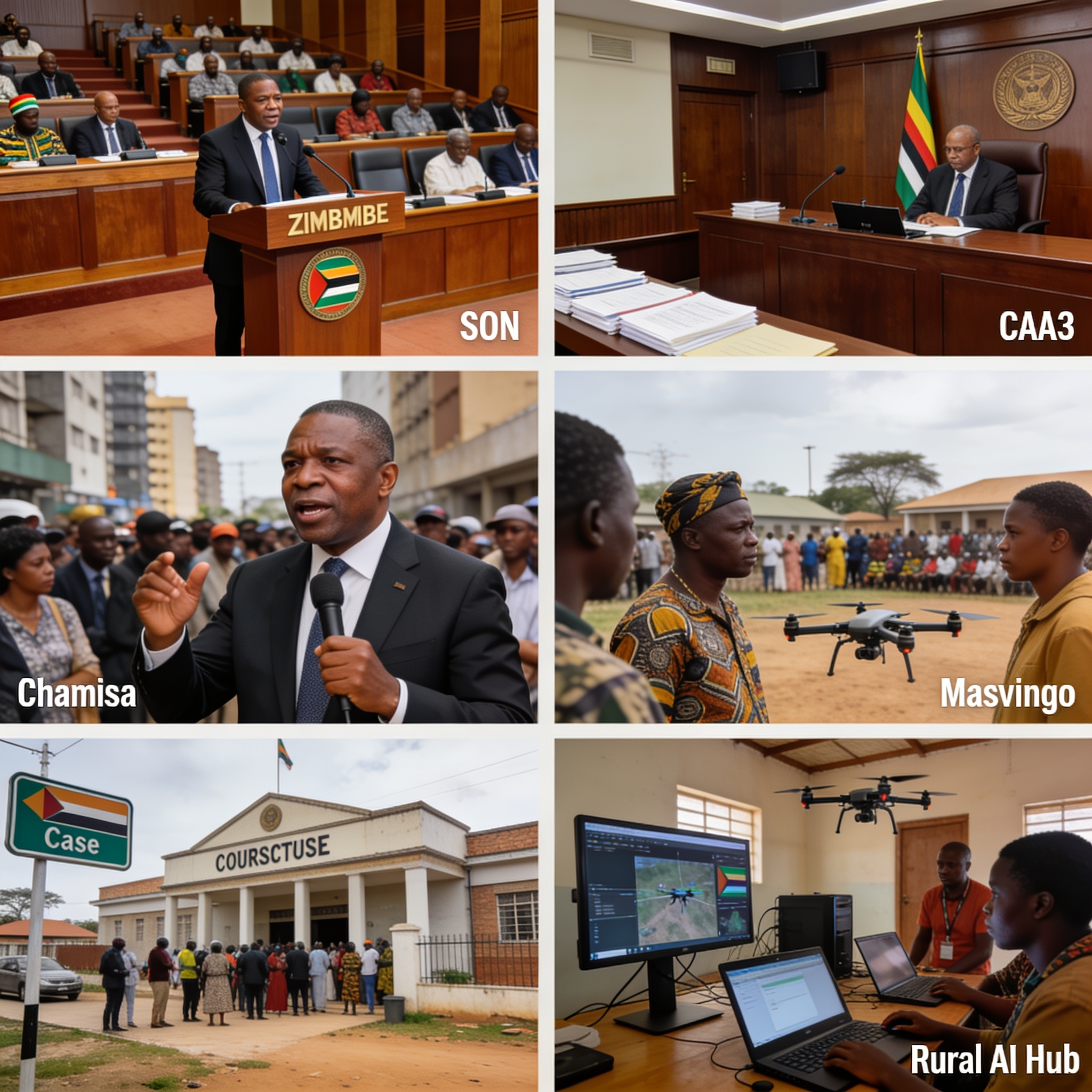
As Zimbabwe’s parliament opened its fourth session under the tenth parliament, the day’s biggest political story came from the State of the Nation address and the legislative steps now attached to Constitution Amendment Act No 3. Outside the hall, reactions focused on whether the country’s institutions can still be trusted to deliver fairness, economic relief and public accountability.
Chamisa frames SONA as a disconnect from lived realities
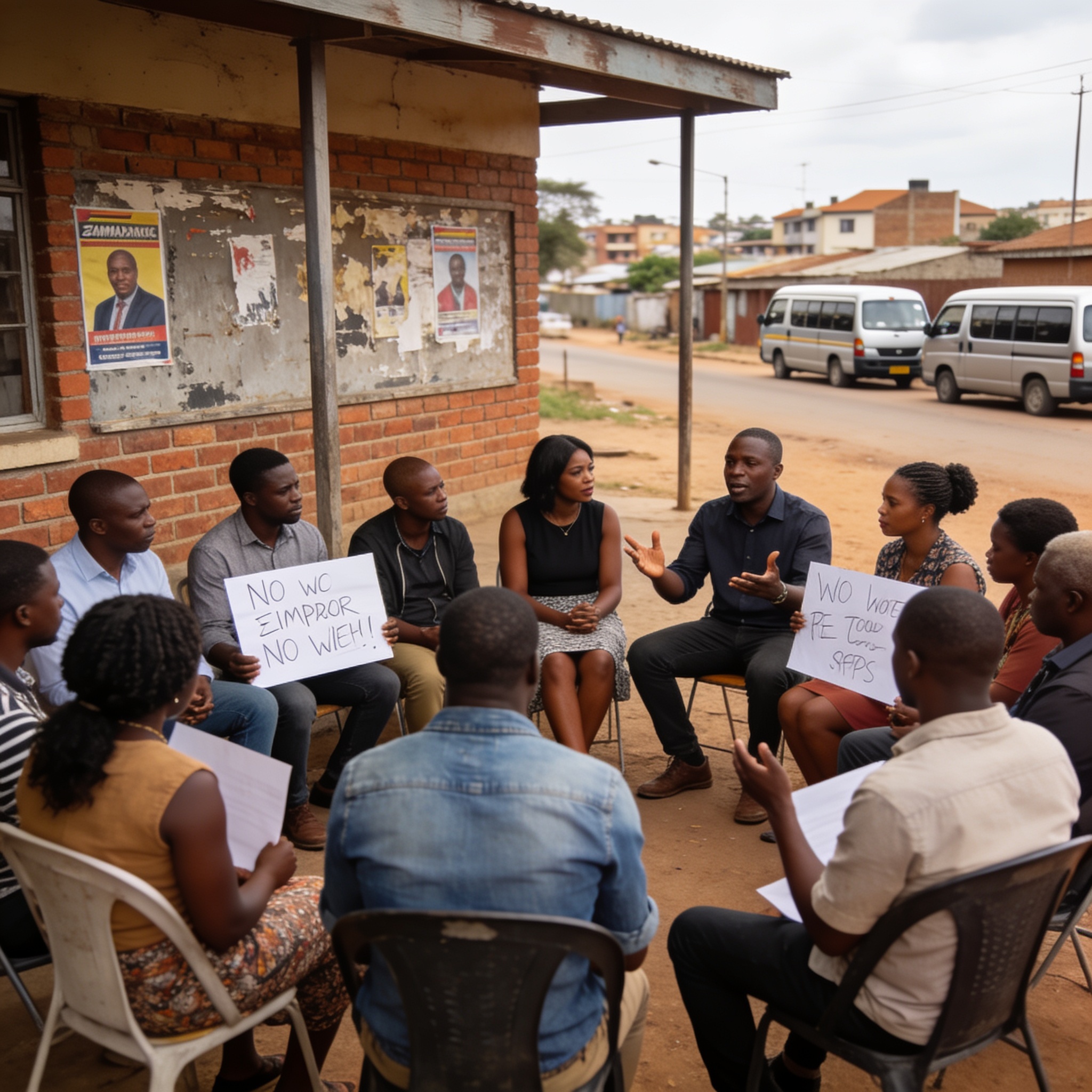
Opposition figure Nelson Chamisa described President Emmerson Mnangagwa’s national address as misleading and detached from the pressures Zimbabweans face in jobs, service delivery and political participation. The criticism followed debate about how the speech presented economic progress and continuity while leaving deeper questions about voter choice and term rule unresolved.
Chamisa also linked his earlier social media message to what he called a wider danger: normalising indefinite personal control of state power. He said the central issue is not only the strength of one party, but the need to strengthen institutions so citizens can freely choose and change leaders.
CAA3 becomes the operational core of the address
At the centre of the President’s speech was the announcement that government will move to adjust legislation needed to give effect to CAA3. The consequential bills highlighted include amendments to the Electoral Act, changes to the law governing the Constitutional Court, and a new Delimitation Commission Act. Together, these would shape who compiles and audits voter registers, how court disputes over constitutional changes are handled, and how electoral boundaries are drawn.
For critics, the timing matters because a legal challenge to CAA3 is pending, and the proposed amendments touch institutions that would oversee or test that same constitutional change. Supporters of the President have cast the process as a necessary legal update after a completed amendment, but political analysts say it now creates a clear fork: either a smoother consolidation of post-CAA3 governance, or a more contested public debate over electoral fairness.
Masvingo case highlights forensic delays
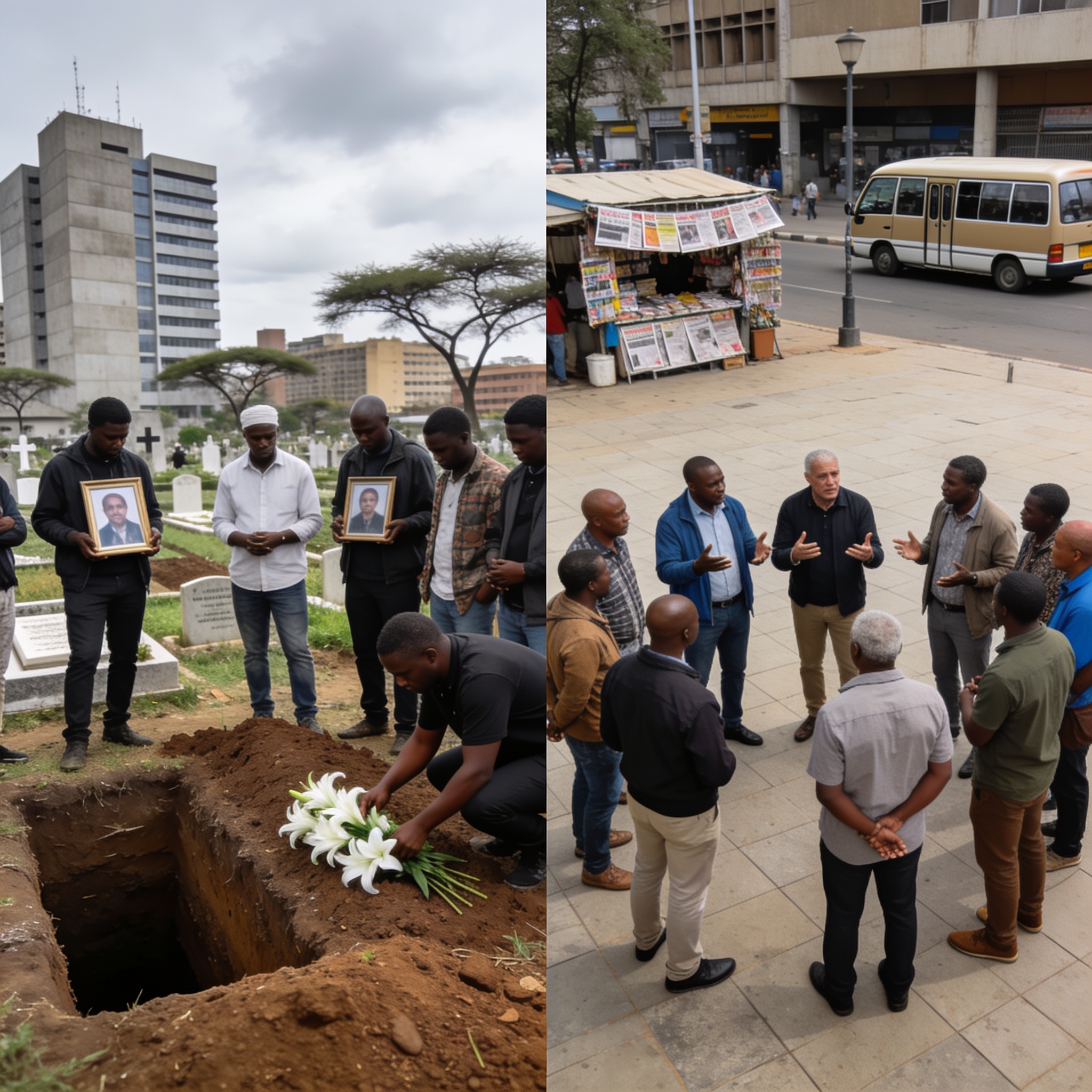
In Masvingo, a family has been waiting for years for DNA confirmation to identify the body of a deceased man held at a provincial hospital mortuary. The case has become a public example of how forensic backlogs can prolong grief, legal uncertainty and accusations of institutional failure. The police say the matter has been referred for urgent follow-up with national laboratories.
The episode underscores how ordinary citizens experience state systems: not through high-level politics alone, but through files, laboratory results, court papers and the slow pace of official responses.
Rural innovation and global openings shape the wider story
Beyond politics, Zimbabwe’s development conversation is shifting toward digital capacity. The launch of the Nyamuroro AI, Digital and Innovation Hub in Gokwe aims to give rural young people access to technology training, mentorship and economic opportunities that often concentrate in cities. The project reflects a broader push to link local innovation with national economic ambitions.
Internationally, commentary on China-US strategic stability suggests that African countries, including Zimbabwe, should convert moments of global competition into practical developmental space. The argument is not about choosing sides, but about using diplomatic flexibility to attract investment, technology transfer and infrastructure financing.
What this means for readers
The key thread across today’s news is legitimacy. Citizens are watching whether constitutional changes will be implemented with fair institutions, whether public cases will move without delay, whether rural communities can participate in the digital economy, and whether Zimbabwe can use shifting global relationships to expand opportunity. The answer will shape politics, investment and everyday life over the coming months.
News Zimbabwe will continue to follow parliamentary developments, civic reactions, court processes and community-level stories as this chapter unfolds.