
Harare: Zimbabwe’s national agenda on 30 September 2026 combined new legislative ambitions with hard questions about money, municipal services, mining disputes and access to justice. The day’s developments stretched from the New Parliament Building at Mt Hampden to courtrooms in Harare, council chambers in Chitungwiza and mining-affected districts in the east.
Government tables wide reform slate
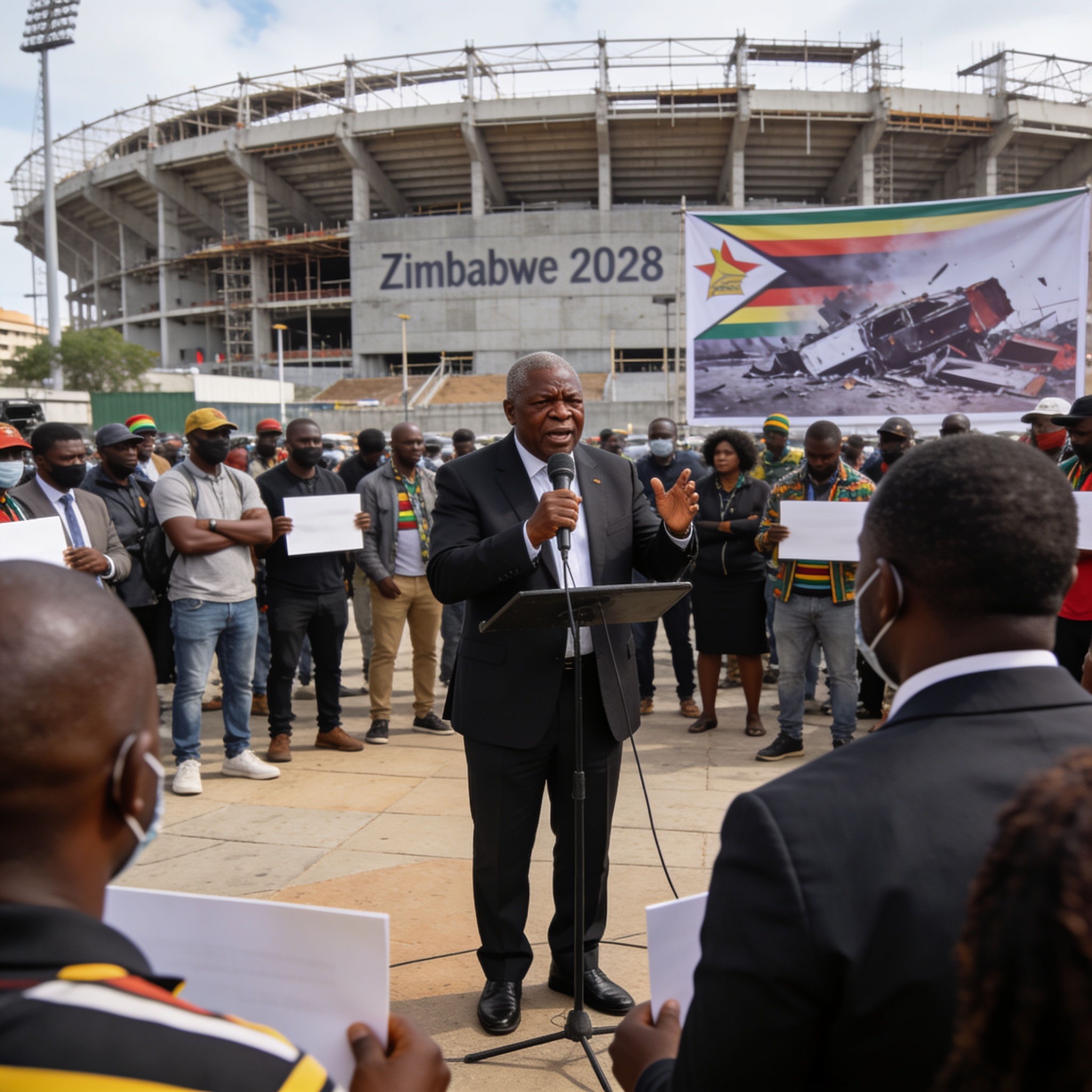
President Emmerson Mnangagwa opened the Fourth Session of the Tenth Parliament with a long list of bills and amendments. The package spans revenue, diplomacy, agriculture, water, forest protection, transport, public health, medicine regulation, mental health, child justice, legal aid, witness protection and veterans’ affairs. It also points toward changes needed after constitutional reform, including electoral framework legislation and delimitation structures.
The session begins while public attention remains partly fixed on political duration debates. Civil voices have questioned whether extended rule arguments distract from rising costs, fragile public services and uneven recovery. The administration’s response focuses on stability, rule of law and legislative modernisation.
Monetary policy eases cautiously as reserves rise
The Reserve Bank of Zimbabwe has cut its main interest-rate instrument to 27.5 percent from 30 percent, while warning that policy will remain firm. The bank says expected annual inflation near 7 percent justifies a measured reduction, but the lending margin remains wide, a concern for firms needing capital. Reserve requirements were not eased, and the central bank said further cuts would depend on price stability, currency confidence and incoming external data.
External accounts showed support. August’s trade balance moved further into surplus as exports grew and imports stayed nearly flat. Reserve Bank officials also noted foreign reserves above US$2 billion and continued alignment with international programme conditions.
Water and sewer funds under parliamentary fire
A committee report on pollution in Greater Harare and Chitungwiza says sewage charges and environmental fines were not always kept separate from ordinary local-government spending. As a result, councils are seeking emergency funding of about US$9.3 million for trunk mains, pumps and works at critical points. The committee wants legal ring-fencing of sanitation revenue, stronger enforcement of the polluter-pays principle and a fully funded environmental fund, warning that old failures can still expose residents to health risks.
Environmental complaints in mining areas reach diplomacy
A resource-governance group has asked the Chinese envoy to Zimbabwe to encourage companies and individuals connected to Chinese nationals to respect local mining, land, planning and environmental laws. The petition refers to community fears around blasted hills, eroded slopes, polluted streams, damaged homes, dust, noise and possible contamination of water sources in several districts. Sites named include Christmas Pass, Mavuradonha, Boterekwa, Penhalonga and Great Dyke areas.
Court rulings reshape dispute pathways
The Supreme Court clarified that dismissed workers under registered employment codes may go directly to the Labour Court rather than first seeking conciliation through a labour officer. The ruling came from a disciplinary dispute at a large beverage manufacturer and confirmed that statutory conciliation does not replace appellate review. Employers and unions will now watch how the decision affects case filings and settlement behaviour.
At the Commercial High Court, a disputed painting contract worth US$35,695.08 was sent back for a fresh hearing before a different magistrate. Judges said the original trial mishandled witness authority, a partial-settlement document and the status of revised invoices. The court did not decide who owed what; it ordered a clean evidential process and awarded appeal costs to the respondent.
Crime reports continued, including testimony from a person alleging he was hooded and tied in a case involving police officers and artisanal miners, and a prison sentence for two men convicted of stealing donkeys from rural households.
Health and sport developments
Surgeons from Harare and Bulawayo participated in a specialist breast-cancer training exchange hosted at United Bulawayo Hospitals, a move aimed at improving surgical capacity outside the capital. In sport, coaches say Zimbabwe’s marathon runners can improve results, the national sevens team faces a quick turnaround before travel to Kenya, and local club events are building toward Highlanders’ centenary and youth qualification fixtures.