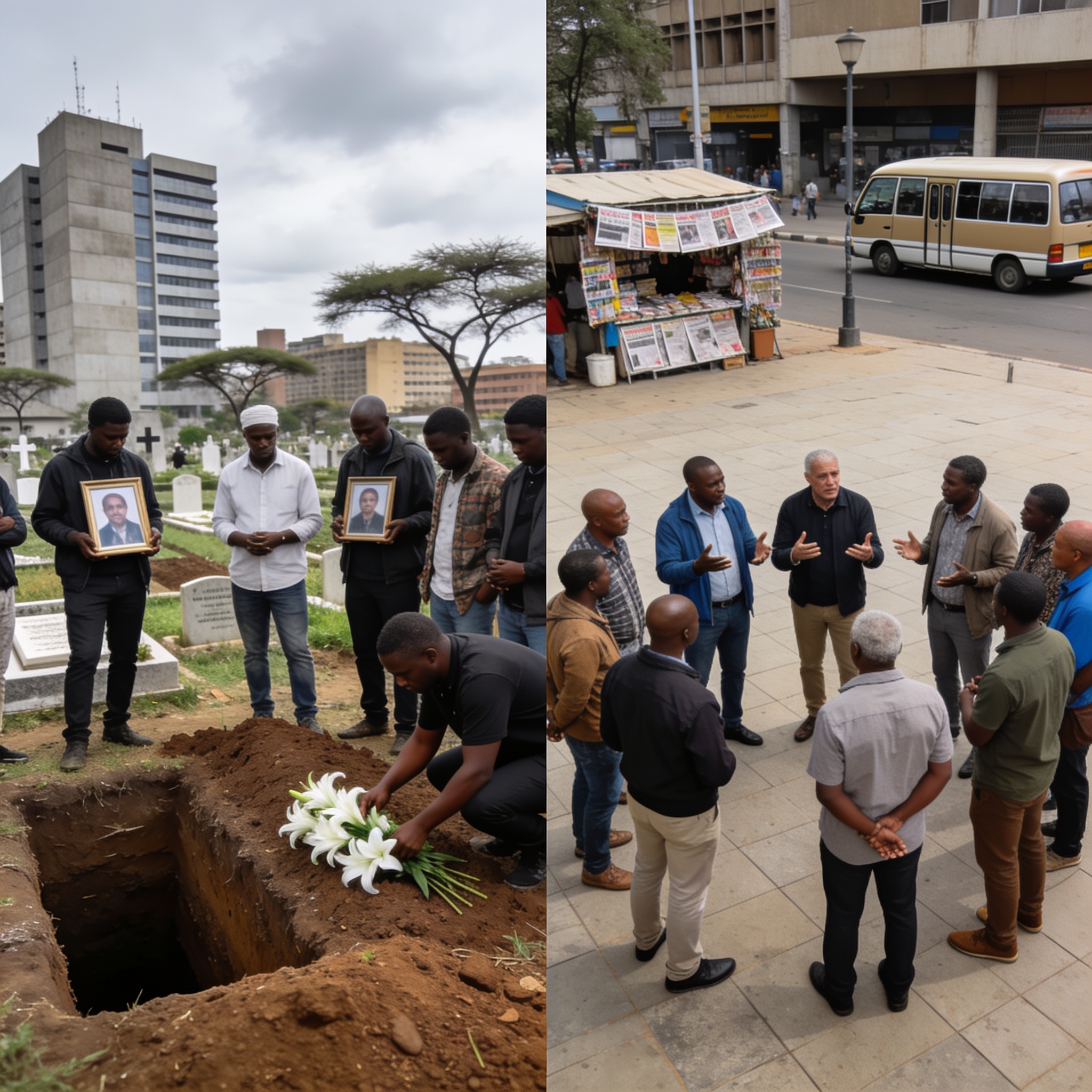
Two weeks after municipal police fanned out across Harare under the banner of Operation Chenesa, the debate around Zimbabwe’s latest urban clean-up has shifted from pavement politics to history. The crackdown, launched on 9 September, has drawn repeated comparisons to Operation Murambatsvina, the 2005 demolition campaign that a United Nations fact-finding mission linked to the loss of homes and livelihoods for an estimated 700 000 people.
Commentators say the parallels are substantive rather than rhetorical, and that the question now facing policymakers is whether enforcement alone can resolve a crisis rooted in unemployment, housing shortages and a shrinking formal job market.
What Operation Chenesa has done so far
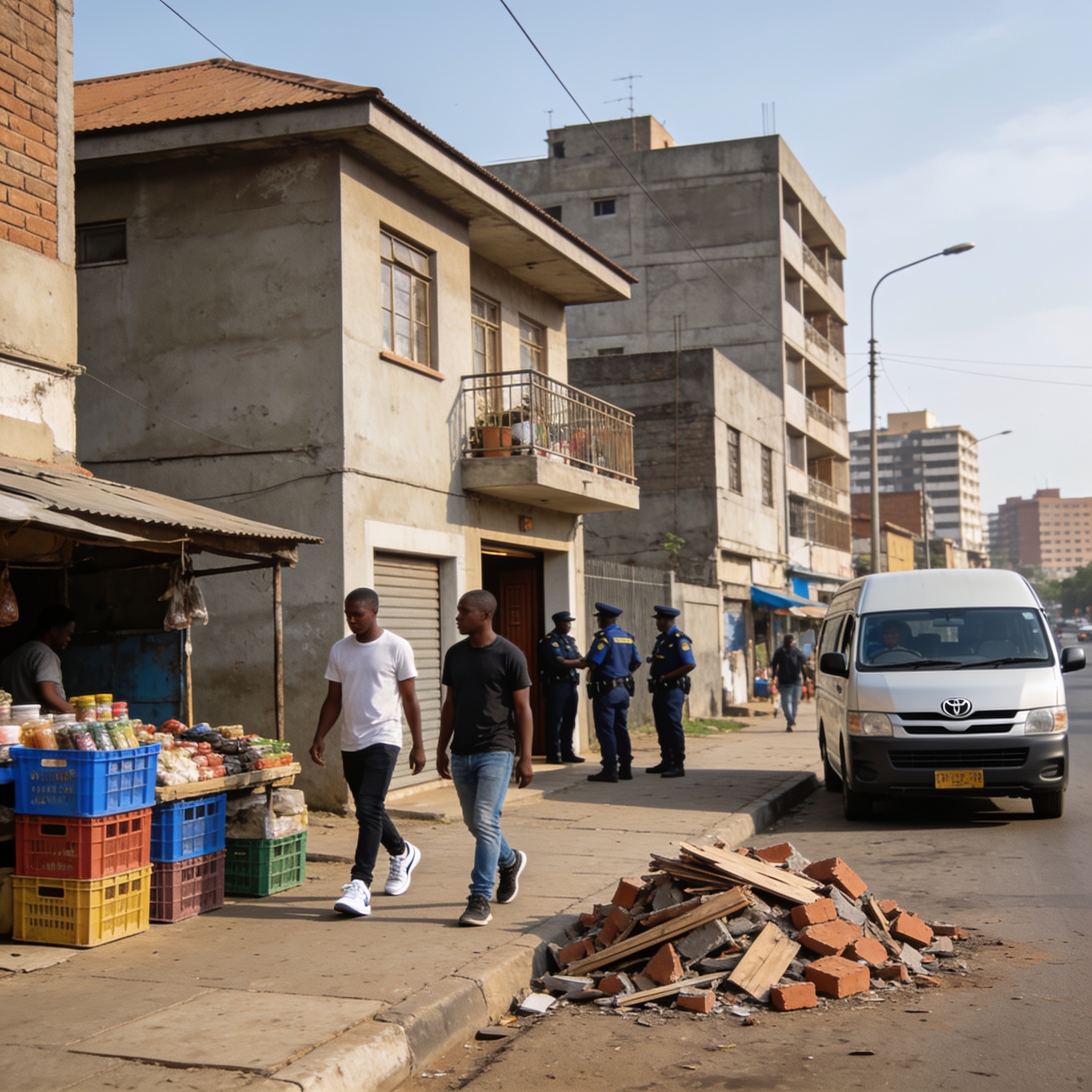
Authorities deployed at least 300 municipal police officers across Harare and other urban centres, working in shifts around the clock. Informal traders operating in undesignated areas were given a seven-day ultimatum to vacate, with bulldozers used to bring down structures deemed illegal.
The Ministry of Local Government and Public Works framed the operation as a measure to restore public safety, environmental integrity, order and sustainable urban development. Official figures released on 21 September put the toll at 2 475 businesses affected and 1 137 illegal structures removed since the campaign began.
The single-day tally for 21 September alone recorded 255 businesses affected, among them 201 vending operations, 20 clothing sellers, 11 snooker tables, four furniture traders, four tyre businesses and a car wash. A further 54 structures were demolished.
Government has also announced a 60-day formalisation programme, saying it intends to absorb informal traders into the regulated economy and speed up the development of vending infrastructure. Officials stressed at the launch that no goods would be confiscated during the initial phase and that the approach would be humane.
The 2005 precedent that refuses to fade
Operation Murambatsvina, also known as Operation Restore Order, began in Harare on 19 May 2005 before spreading nationwide. Homes, business premises and vending sites were destroyed. Anna Kajumulo Tibaijuka, appointed as UN Special Envoy on Human Settlements Issues by then Secretary-General Kofi Annan, visited Zimbabwe between 25 June and 8 July 2005 and concluded that roughly 700 000 people had lost homes, livelihoods or both, with a further 2.4 million indirectly affected.
Her report described the operation as unplanned and over-zealous, unleashing chaos and untold human suffering. It also acknowledged that enforcing planning rules and removing illegal structures could serve legitimate urban-development goals, but found that the manner of implementation turned those objectives into something far more destructive.
Tibaijuka pointed to weak governance, overlapping responsibilities between central and local government, disregard for the rule of law and apparent indifference to human suffering as underlying drivers. Her central recommendation was that those responsible for what she called a man-made disaster should face justice under Zimbabwean law. To date, no one has been prosecuted.
Vending as an economic response, not a choice
Lawyer and activist Chiedza Mlingwa told a recent SAPES Policy Dialogue that street trading should be understood as a response to constrained options rather than a lifestyle preference. When formal jobs are scarce, wages inadequate and household obligations rising, she argued, vending becomes one of the few immediately accessible ways to earn income, feed a family, pay rent and keep children in school.
That framing places the policy dilemma in sharp relief: if informal livelihoods are removed, what replaces them? Mlingwa said the core lesson of 2005 was that destroying informal businesses does not eliminate unemployment or poverty, but merely shifts it elsewhere.
She also questioned whether Zimbabwe is confronting the causes of urban informality or simply making it less visible, warning that a policy built on removing informal livelihoods risks reproducing the structural problems that defined Murambatsvina.
Formalisation vs enforcement
The government’s answer is its 60-day formalisation window and plans to upgrade vending infrastructure. Political analyst Mxolisi Ncube said the test lies in whether traders displaced from pavements are offered affordable, accessible and economically viable trading spaces, supported to register and incorporated into urban planning.
If that happens, he argued, Chenesa could represent a genuinely different approach from 2005. If traders are simply pushed from one location to another, the underlying problem remains untouched.
Tibaijuka’s report made a similar point two decades ago. It recommended properly surveyed plots, secure tenure, appropriate planning standards, designated markets and a licensing system that protected traders’ rights. It also urged that affected communities be involved in reconstruction and livelihood-restoration plans, and that further demolitions and displacements be halted while a humanitarian response framework was put in place.
The accountability question
What makes the historical comparison uncomfortable for authorities is not only the scale of displacement but the question of consequence. Tibaijuka’s report called for a review of planning laws to reflect the realities of poor urban residents, recommended that those whose property was unlawfully destroyed receive redress, and suggested the operation had been based on improper advice from some of its architects.
It also recorded submissions arguing that the forcible uprooting of hundreds of thousands of people met the criteria for a crime against humanity under Article 7 of the Rome Statute. Tibaijuka did not reach a definitive conclusion on that point, noting that a prolonged legal argument could distract from the immediate humanitarian crisis, but her recommendation on national accountability was unambiguous.
A cleaner city, or a different city?
The issue, as critics frame it, is not whether Zimbabwean cities should be orderly and well planned. It is whether enforcement can serve as the primary response to an economic and housing crisis that produced informality in the first place.
Both Murambatsvina and Chenesa were justified by the language of cleanliness, order and municipal regulation. Both targeted informal economic activity operating in areas classified as unauthorised. In both cases, that activity sat atop a wider context of economic hardship.
Tibaijuka’s conclusion was that cleaning a city and addressing the conditions that generate urban informality are two separate undertakings. Twenty-one years on, with bulldozers again moving through Harare’s streets and a formalisation clock ticking, that distinction is once more at the centre of Zimbabwe’s urban policy debate.