A Zimbabwean organisation that works to empower the girl child has urged the State to declare intimate partner murders a national emergency after documenting at least 13 killings of women and children in domestic settings within a single four-month period.
Shamwari Yemwanasikana said in a statement issued on Thursday, 24 September 2026, that the deaths it recorded between June and September point to a femicide crisis rather than a run of ordinary domestic disagreements. The group said the home, which should be the safest place for a woman or a child, has become the most dangerous one.
Where the killings were recorded
The organisation listed Chikanga, Nkulumane, Southlea Park, Shamva, Hatfield, Glen View and Darwendale among the communities where women and children lost their lives. The toll also reached a Zimbabwean family living in the United Kingdom.
Among those killed were a pregnant woman, a serving police officer, a mother and her two daughters, and two girls aged five and two. According to the organisation, disputes that started over matters as ordinary as childcare arrangements or family disagreements escalated into killings carried out with hammers, axes, firearms and fire.
The children who survive
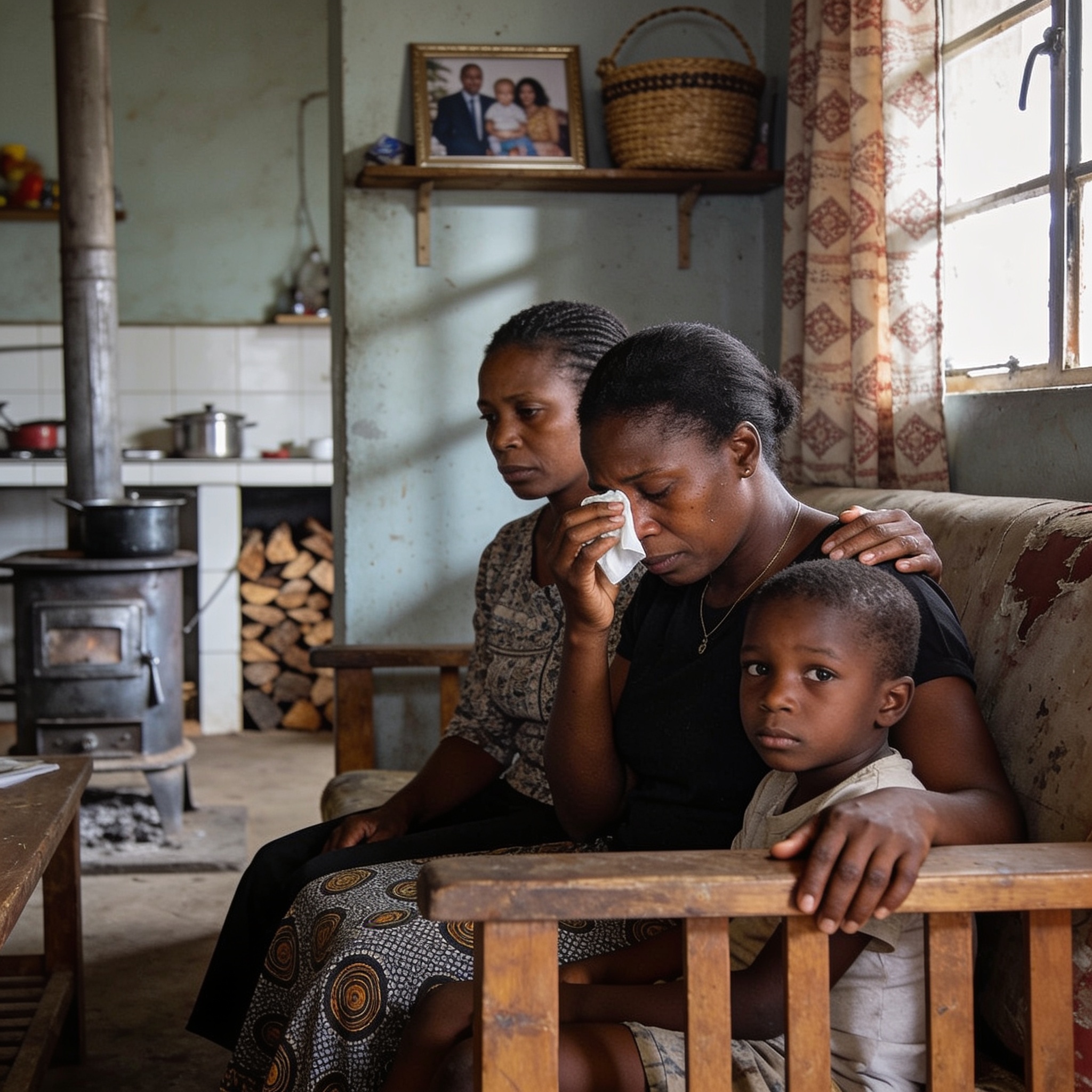
Much of the group’s concern is directed at children who witnessed their mothers being killed and are now growing up without either parent. It warned that these children are left orphaned, traumatised and exposed to further harm, including neglect, stigma, exploitation and being moved between relatives without proper care.
For an organisation whose mandate is to empower girls, the consequences reach beyond the immediate loss. It argued that a girl who grows up watching her mother being killed by her father has her own future damaged, and that protecting surviving children must therefore be treated as part of the same crisis.
What the organisation is demanding
Shamwari Yemwanasikana has asked the Zimbabwe Gender Commission to use its constitutional mandate to push the issue to the highest levels of government, including the Office of the President and Cabinet, Parliament and the Ministry of Women Affairs, so that intimate partner murders are formally declared a national emergency.
It also wants the Department of Social Welfare, the Victim Friendly Unit and their partners to move urgently on psychosocial support, safe shelter and long-term care plans for the children left behind, so that their rights to life, education and recovery are protected rather than negotiated between relatives.
Domestic violence cuts both ways
The appeal comes in the same week that police in the Midlands confirmed the death of a 61-year-old man from Mnandi Village in Mberengwa, who died after his wife struck him with a brick during an argument at their homestead. The case underlines how quickly disputes inside the home can turn fatal, whichever partner ends up as the victim.
Bulawayo also recorded two separate fatal stabbings on Tuesday, with police opening murder investigations into both. While those cases are not linked to the femicide count, they add to a week in which violent death has dominated crime reports from several provinces.
Why campaigners say the response must change
Zimbabwe already has a Domestic Violence Act and constitutional guarantees against violence, but the organisation’s statement suggests that legal protections are not translating into safety for women and children in their own homes. Its argument is that the pattern of killings is now too consistent and too widespread to be handled case by case, and that the State needs to treat it as a public emergency with a coordinated response.
That would mean earlier intervention in households where disputes are escalating, faster referral of survivors to shelter and counselling, and a system that guarantees care for children whose mothers have been killed. Until then, the organisation warns, the deaths recorded between June and September will not be the last.