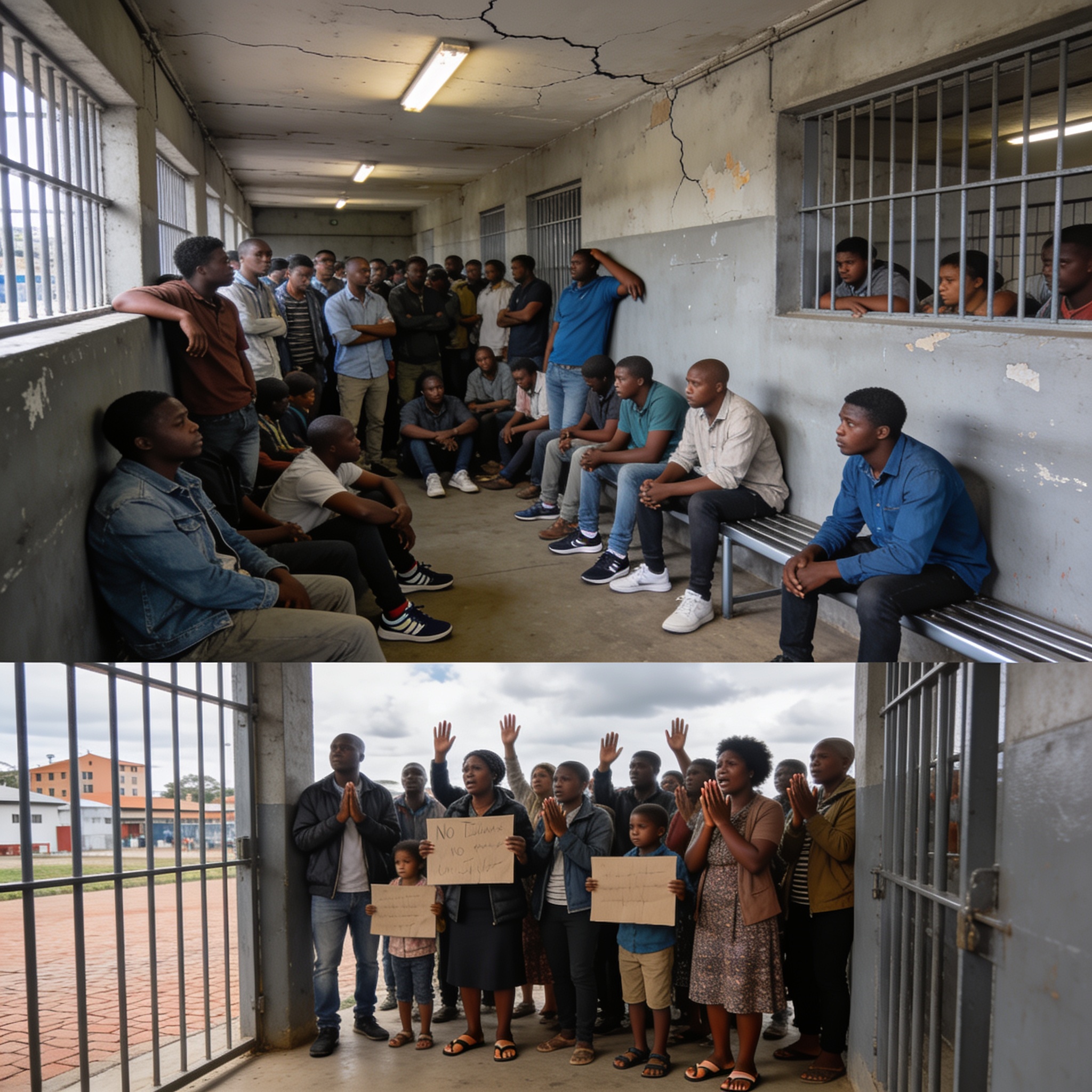
Harare – At least 100 Zimbabwean nationals remain detained in police cells across five Western Cape towns in South Africa following a wave of immigration raids that began in June 2026. Community leaders and human rights groups are appealing for urgent intervention, citing prolonged detention and alleged mistreatment of those held on visa-related charges.
The arrests took place during operations in Robertson, Montagu, Ashton, Bonnievale, and McGregor, targeting the Nkqubela informal settlement and surrounding areas. An estimated 200 people, mostly Zimbabweans but also nationals of Mozambique, Malawi, and Lesotho, were taken into custody. While some have been released or deported, at least 100 remain behind bars.
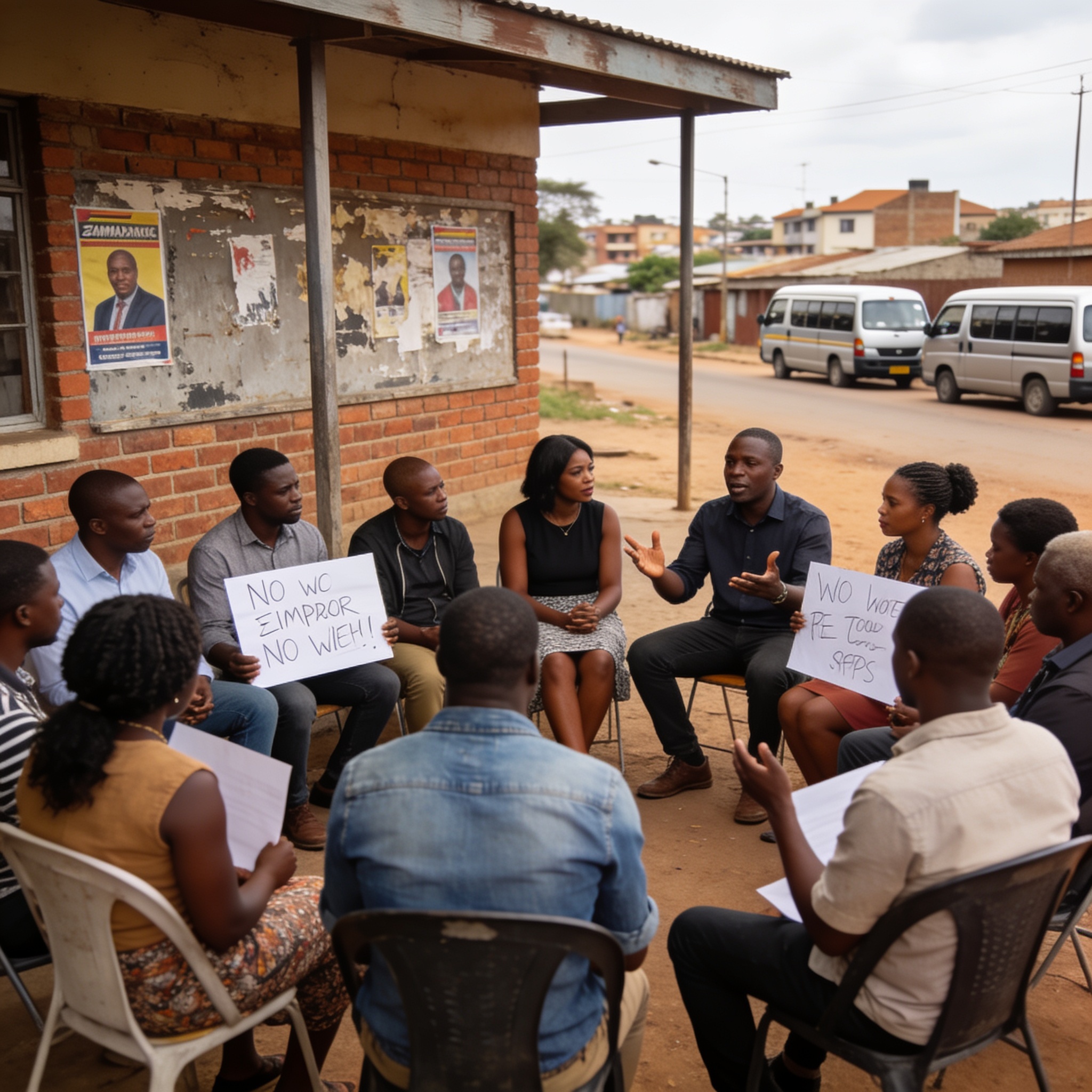
The Western Cape Coalition Against Xenophobia has raised concerns about the nature of the arrests, stating that people were apprehended on the streets and in their homes, and that some who produced valid documentation were still detained. The South African Police Service has rejected allegations of indiscriminate arrest, maintaining that operations comply with immigration laws.
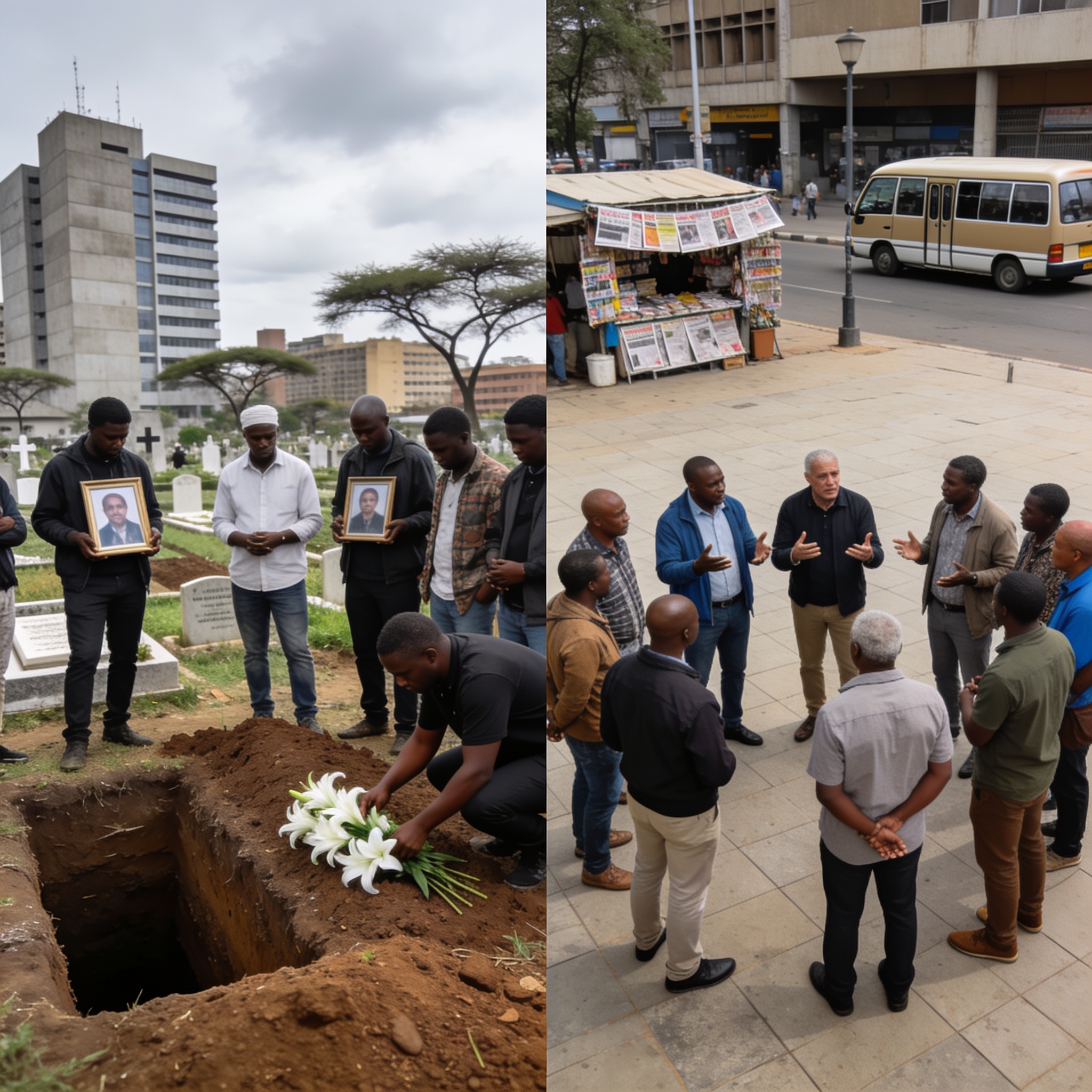
Among those held is Michael Chanyamwaka, who was arrested on 1 June. He paid a fine of R1,800 on 27 June but was only released on 19 August, according to reports. Community leader Lovemore Maporisa was arrested on 27 August while delivering toiletries and status documents to detainees; he remains at Robertson Correctional Centre with his case postponed to 10 September.
The Zimbabwean Civic Movement has called on South African authorities to expedite the processing of detainees and either release or repatriate them. The organisation also reports that deportees have lost phones and cash despite signing property affidavits.
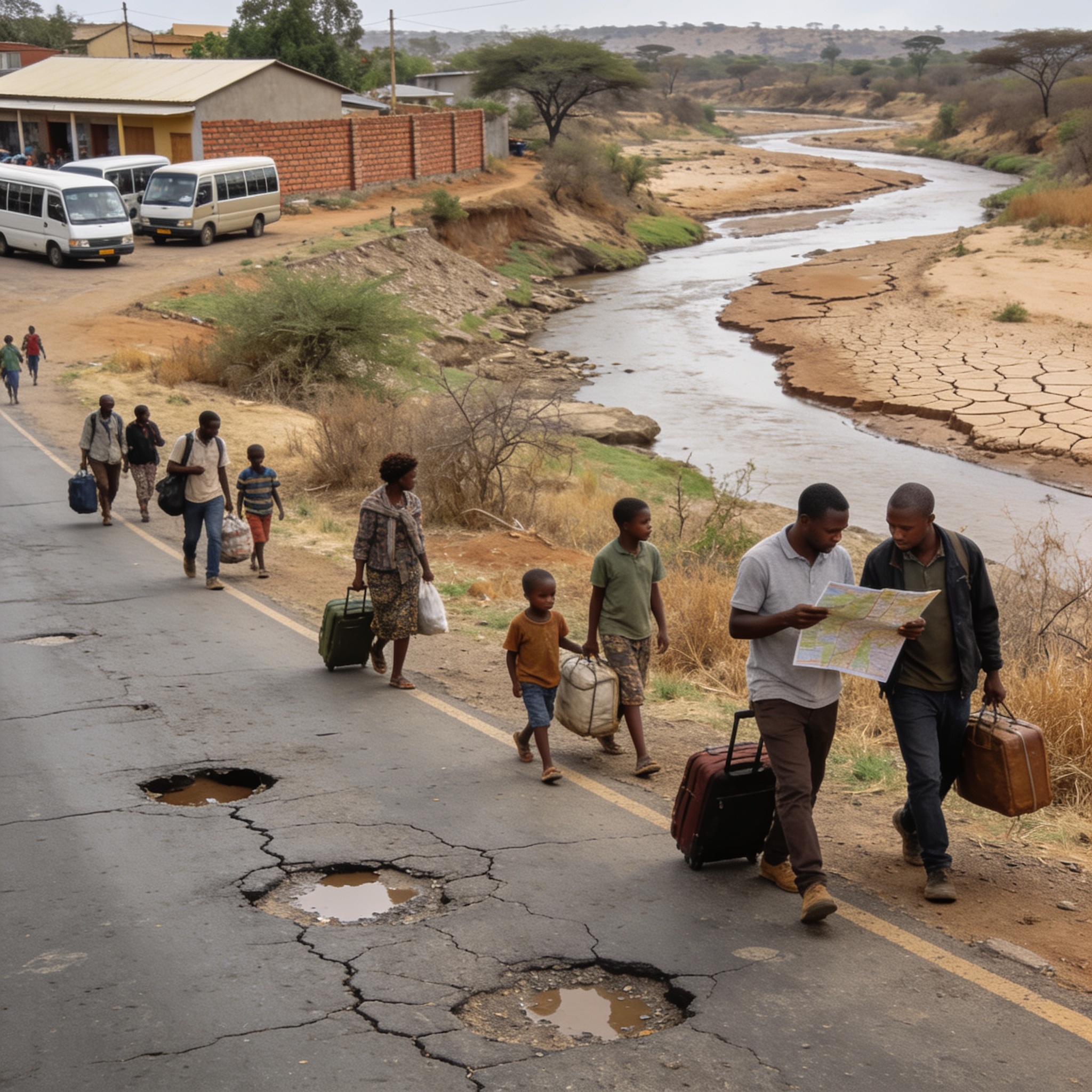
The human impact is severe. Among the detained is a couple whose three-year-old daughter is in the care of a relative. Many detainees were household breadwinners, and their absence has interrupted remittances, separated families, and led to undocumented returns for those deported.
As the situation continues, advocates stress the need for due process and humane treatment of all migrants, regardless of immigration status.