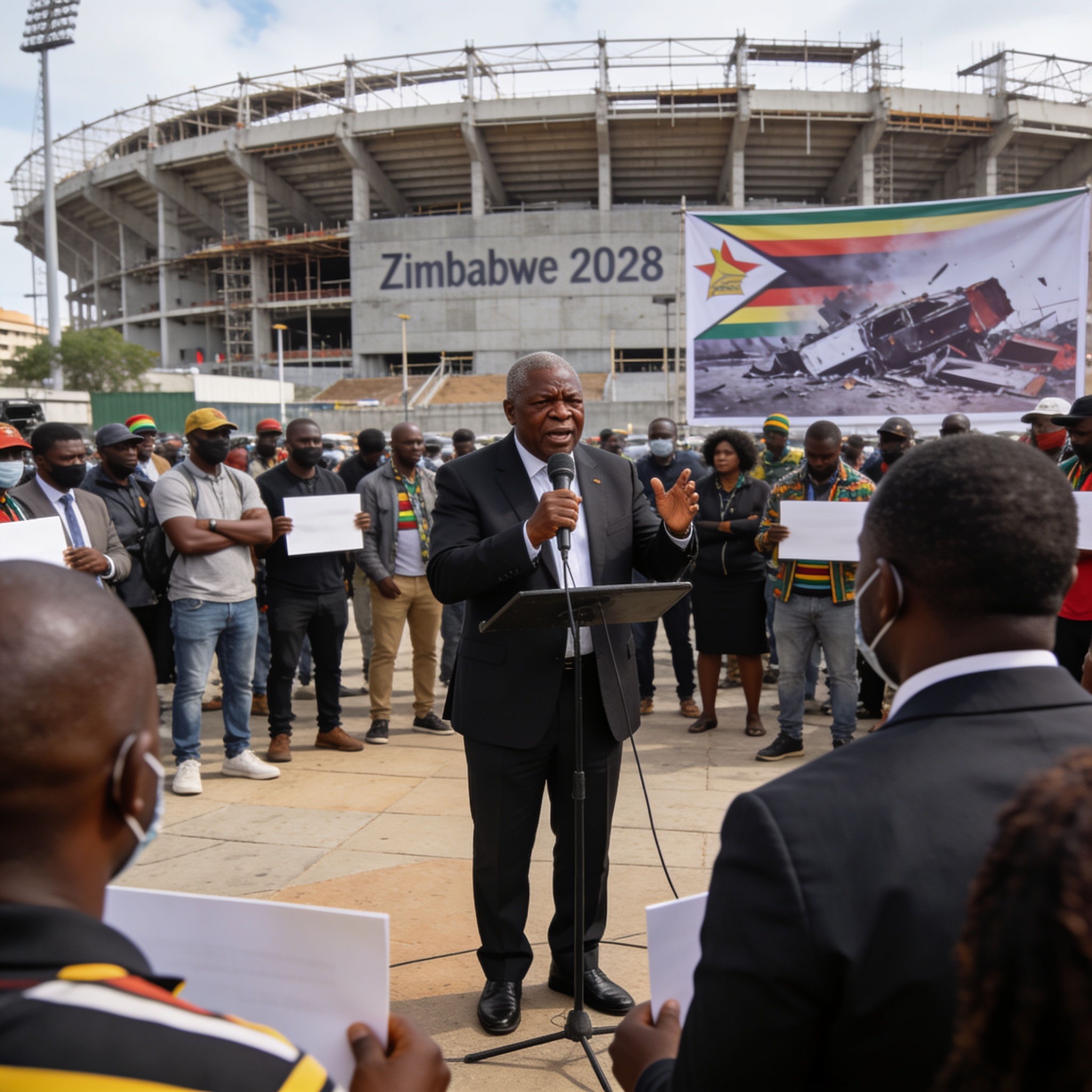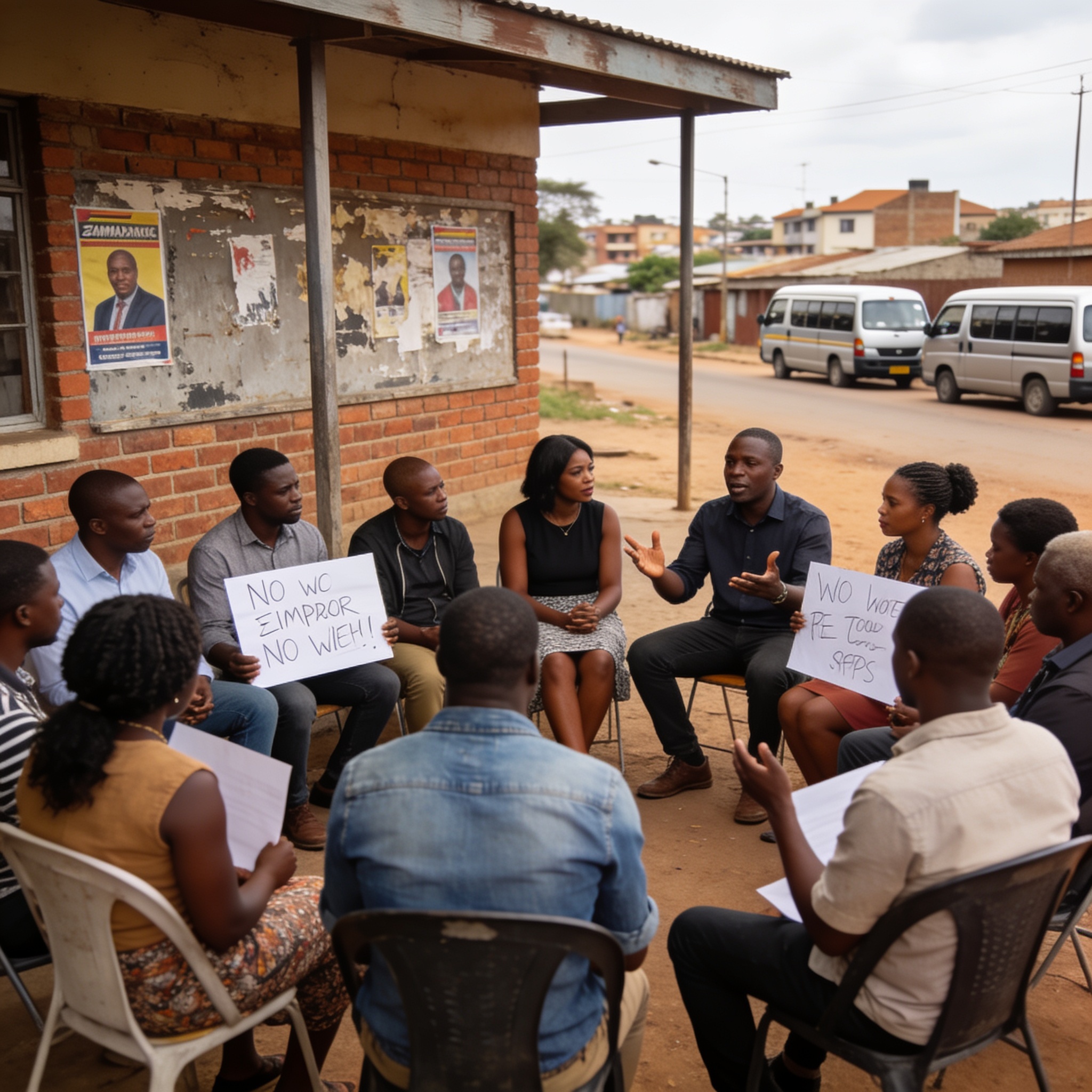

ZANU PF structures in Masvingo have set their sights on a guaranteed slice of Zimbabwe’s nurse training intake, resolving to press for a quarter of all places at every training hospital to be allocated to the ruling party.
The demand emerged from a Joint Provincial Council meeting held in Masvingo and chaired by the party’s provincial chairperson, Rabson Mavhenyengwa. Under the proposal, the quota would be channelled through ZANU PF Members of Parliament, meaning prospective trainee nurses would first have to secure a lawmaker’s backing before being considered.
A crowded allocation table
Nurse training places are already divided along a fixed formula that leaves very little room for additional claimants. Ten percent of slots go to the authority running the training hospital, 20 percent to the district hosting the school, 10 percent to the Minister of State for Provincial Affairs and a further 10 percent to the Provincial Medical Director.
Another 30 percent is reserved for candidates drawn from other districts and provinces, while the Ministry of Health and Child Care retains control of the remaining 20 percent.
Against that backdrop, party officials want an extra 25 percent carved out for ZANU PF nominees — a shift that would substantially redraw who gets access to a qualification that remains one of the most sought-after routes into formal employment in Zimbabwe.
Health officials say selection is not theirs to make
Provincial Medical Director Dr Amadeus Shamhu, who was summoned to the meeting alongside other provincial heads including Secretary for Provincial Affairs Dr Addmore Pazvakavambwa, told the gathering that his office has no control over who is enrolled. Selection, he explained, sits with the Health Services Commission.
That explanation did not settle the matter. ZANU PF provincial secretary for health Dr Tapiwa Murambi, a medical doctor based in Chivi, urged Shamhu to raise the issue when he meets the Health and Child Care Minister, Douglas Mombeshora, on government platforms, while the party would pursue the same objective through its own channels.
Among the loudest voices backing the quota were Masvingo South legislator Tanatsiwa Mukomberi and Murambi, who noted that the current allocation model has been in place since 2011.
Stands, too
The meeting did not confine itself to health training. Officials also demanded that a defined share of residential stands in the province be reserved for the party — an indication that the discussion ranged well beyond nursing intakes into the broader distribution of public goods.
A sector already under strain
Zimbabwe’s health system depends heavily on nurses, and training capacity has not kept pace with demand for places. When access is widely believed to hinge on political connections or informal payments — reported in some cases at upwards of US$1 200 — public confidence in the fairness of the system erodes.
The practical consequences are already visible. Thousands of young Zimbabweans with the grades and the motivation to train have instead enrolled at institutions in Zambia and further afield, taking their skills and their earning power out of the domestic health workforce. Every place that is perceived as allocated rather than earned adds to that outflow.
Politicised recruitment also carries risks for patients. A system that rewards affiliation over aptitude is unlikely to place the strongest candidates in wards, clinics and district hospitals where the shortage of qualified staff is most acute.
What comes next
The Masvingo resolution is expected to be taken to the Ministry of Health and Child Care, where any change to the allocation formula would have to be approved. It remains unclear whether the ministry will entertain a demand that would formalise party involvement in a process currently administered by a statutory commission.
What is clear is that the proposal has opened a wider argument about how Zimbabwe fills the most important vacancies in its public services — and whether a training place should be treated as a professional opportunity or a political reward.