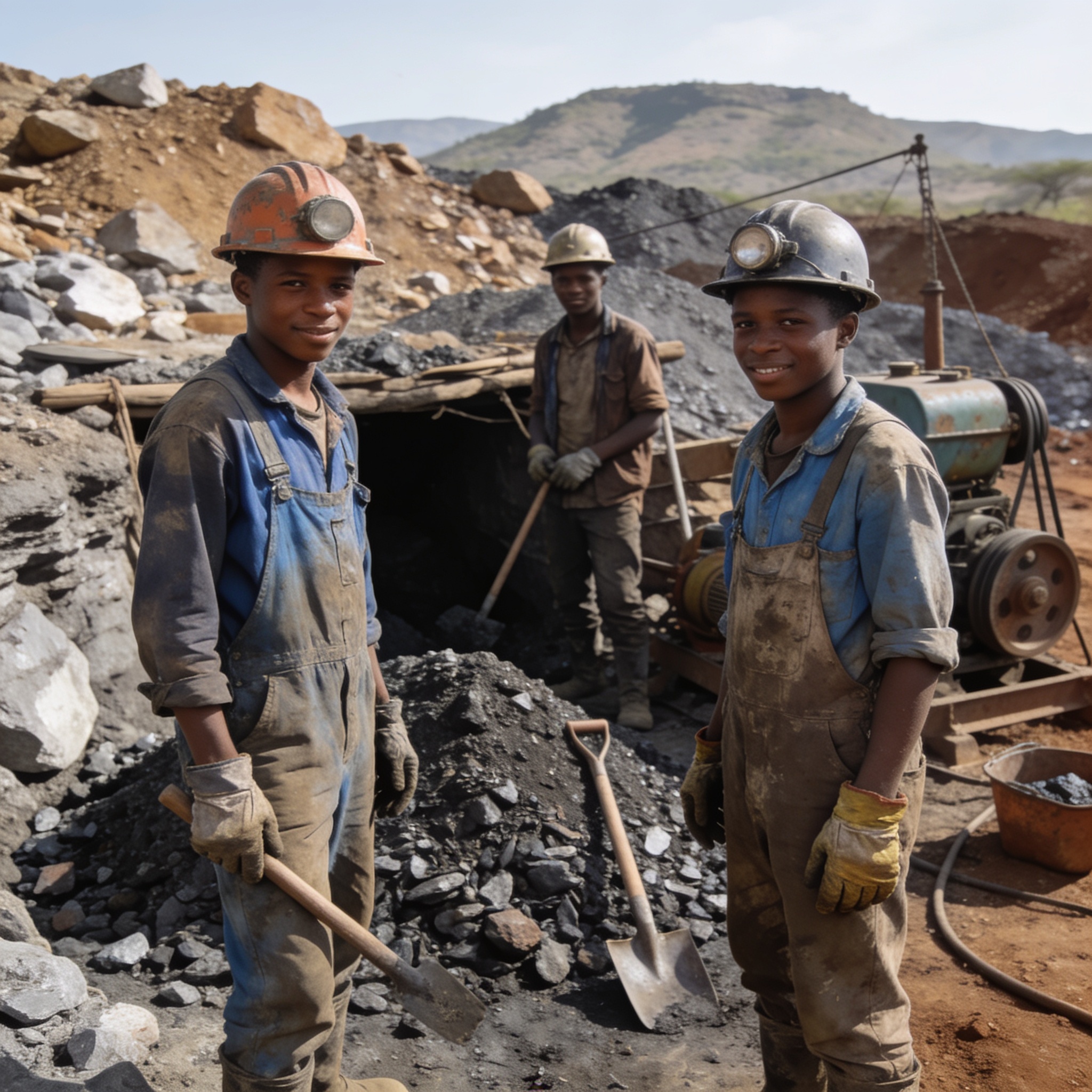
Zimbabwe’s young miners and mining professionals have thrown their weight behind a major shift in Government’s mining policy that will require future investors to account for every mineral locked inside an ore body instead of extracting a single target mineral and leaving the rest untouched.
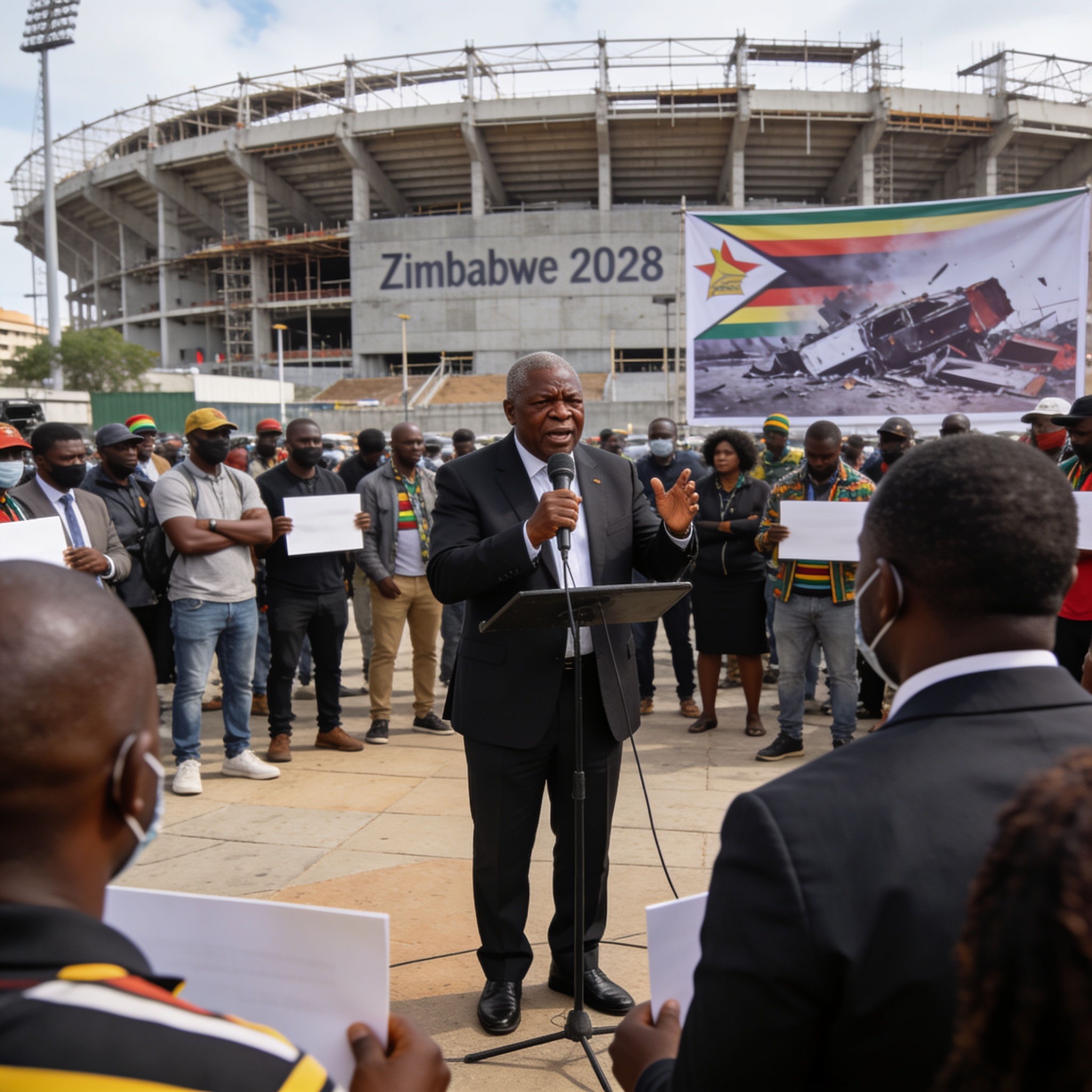
The policy was unveiled by Vice-President Constantino Chiwenga at the Zimbabwe-China Business Forum in Hangzhou, China, where he told investors that the era of approving narrowly focused mining operations is over.
“We are no longer permitting isolated, single mining operations,” Chiwenga said, adding that investors would be expected to bring in machinery capable of identifying and separating all the embedded minerals in a deposit.
What the new direction means
Under the policy, future mining investments will have to be designed around integrated recovery and processing rather than a single commodity. In practical terms, a project targeting one mineral will also be expected to identify, separate and beneficiate the other minerals contained in the same deposit.
The thinking is straightforward: Zimbabwe has historically exported raw ore while valuable by-products went to waste, meaning the country captured only a fraction of the worth of its mineral wealth. By insisting on multi-mineral recovery, Government hopes to keep more value inside the economy, support local processing capacity and feed a wider industrial base.
Chiwenga pointed to Zimbabwe’s concentration of strategic minerals — lithium, nickel, graphite, manganese and cobalt — which are key inputs into electric vehicle battery production. He also cited the country’s copper, chrome, platinum group metals and rare earths, which are used across industrial and emerging technologies.
Young miners see opportunity across the value chain
Nyasha Magadhi, president of Young Miners for Economic Development (YMED), described the policy as a positive step that could expand opportunities for young Zimbabweans well beyond the pit head. The organisation has previously said it helped more than 1,500 young people to register mining operations and take part in the sector.
Magadhi has long argued for greater youth participation in mineral beneficiation and value addition, including the development of processing capacity that would allow young operators to move away from simply extracting raw material.
Hazel Tsungai Karoro, secretary-general of the Association of Junior Mining Professionals of Zimbabwe (AJMPZ), said the policy’s emphasis on recovering multiple minerals from a single deposit would deepen demand for technical expertise. She noted that young mining professionals work across the entire value chain, from exploration and extraction to processing and value addition.
According to Karoro, unlocking the full mineral content of Zimbabwe’s deposits will require geologists, engineers, metallurgists, surveyors and other specialists — a skills base she believes should have a bigger say in shaping mining policy.
Dru Kacherera, vice-chairman and spokesperson for Miners for Economic Development (Miners4ED), also welcomed the move, saying it fits the organisation’s push for formalisation, responsible mining and local value addition.
A break from single-mineral extraction
The policy represents a clear departure from an investment model centred on one target mineral, where other commercially viable components of the same ore body were often treated as waste. Integrated operations would instead be expected to recover a broader basket of minerals, increasing the return on each deposit and reducing the pressure to open new ground.
For young entrepreneurs, the shift could reshape how projects are designed and financed. Investors weighing a mining venture will now have to factor in separation and processing technology from the outset, while banks and partners may look more closely at whether a project can demonstrate multi-mineral recovery.
Mineral beneficiation and value addition sit at the heart of Government’s broader strategy to retain more value from the country’s resources and drive industrialisation towards Vision 2030. The challenge, analysts say, will be ensuring that the technology, capital and technical skills needed to process multiple minerals are accessible to local players, particularly smaller operators who have historically struggled to fund processing plants.
For Zimbabwe’s young mining community, the message from Hangzhou is that the next phase of the sector’s growth will be judged not by how much ore leaves the ground, but by how much value stays at home.