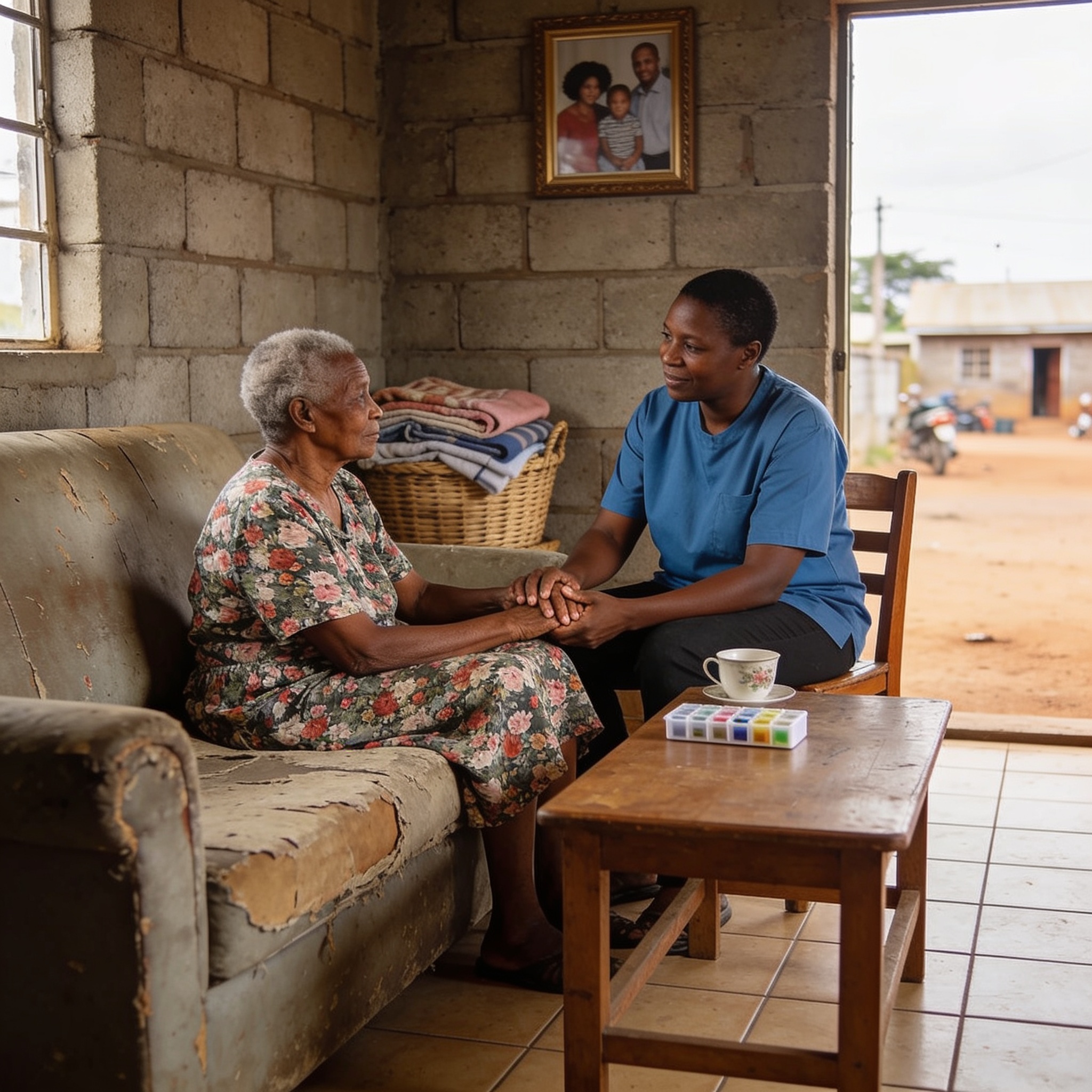
Tendai sits by his grandmother’s bedside, watching her eyes search his face for a flicker of recognition that never comes. “Gogo doesn’t know me anymore,” he whispers, the words heavy with grief. It is a scene repeated in countless Zimbabwean homes, where dementia silently erodes the bonds between generations.
Dementia, a syndrome characterised by deterioration in memory, thinking, and behaviour, is often dismissed in Zimbabwe as a normal part of ageing. But for families like Tendai’s, the reality is far more devastating. The emotional toll of caring for a loved one who no longer recognises you is compounded by a lack of support, resources, and understanding.
A Growing but Hidden Crisis
While Zimbabwe lacks comprehensive data on dementia prevalence, health experts warn that the condition is on the rise, particularly as the population ages. According to the World Health Organization, more than 55 million people live with dementia worldwide, with nearly 60% residing in low- and middle-income countries. Zimbabwe is no exception.
Yet, awareness remains low. Many families attribute memory loss to witchcraft or spiritual punishment, delaying medical intervention. “We see patients present late, often when the disease has advanced,” says a nurse at a Harare clinic who requested anonymity. “There is little education about dementia, and even fewer services.”
The Burden on Families
With no specialised dementia care facilities in the public sector and few private options, the burden falls almost entirely on families. Caregivers, often women, are forced to reduce work hours or leave jobs altogether, deepening financial strain. The physical demands of round-the-clock care, combined with the emotional anguish of being forgotten by a parent or grandparent, can lead to burnout and depression.
“Sometimes I feel like I’m mourning her while she’s still alive,” says Tendai. “She is here, but she is not here.”
Cultural Stigma and Silence
In many Zimbabwean communities, dementia is shrouded in stigma. Sufferers may be labelled as “witches” or said to be possessed by evil spirits. This not only isolates the patient but also discourages families from seeking help. Traditional healers are often the first point of contact, but they lack the tools to manage neurodegenerative conditions.
“We need to break the silence,” says Dr. Chipo Moyo, a geriatric specialist based in Bulawayo. “Dementia is a medical condition, not a curse. Families need to know they are not alone.”
What Can Be Done?
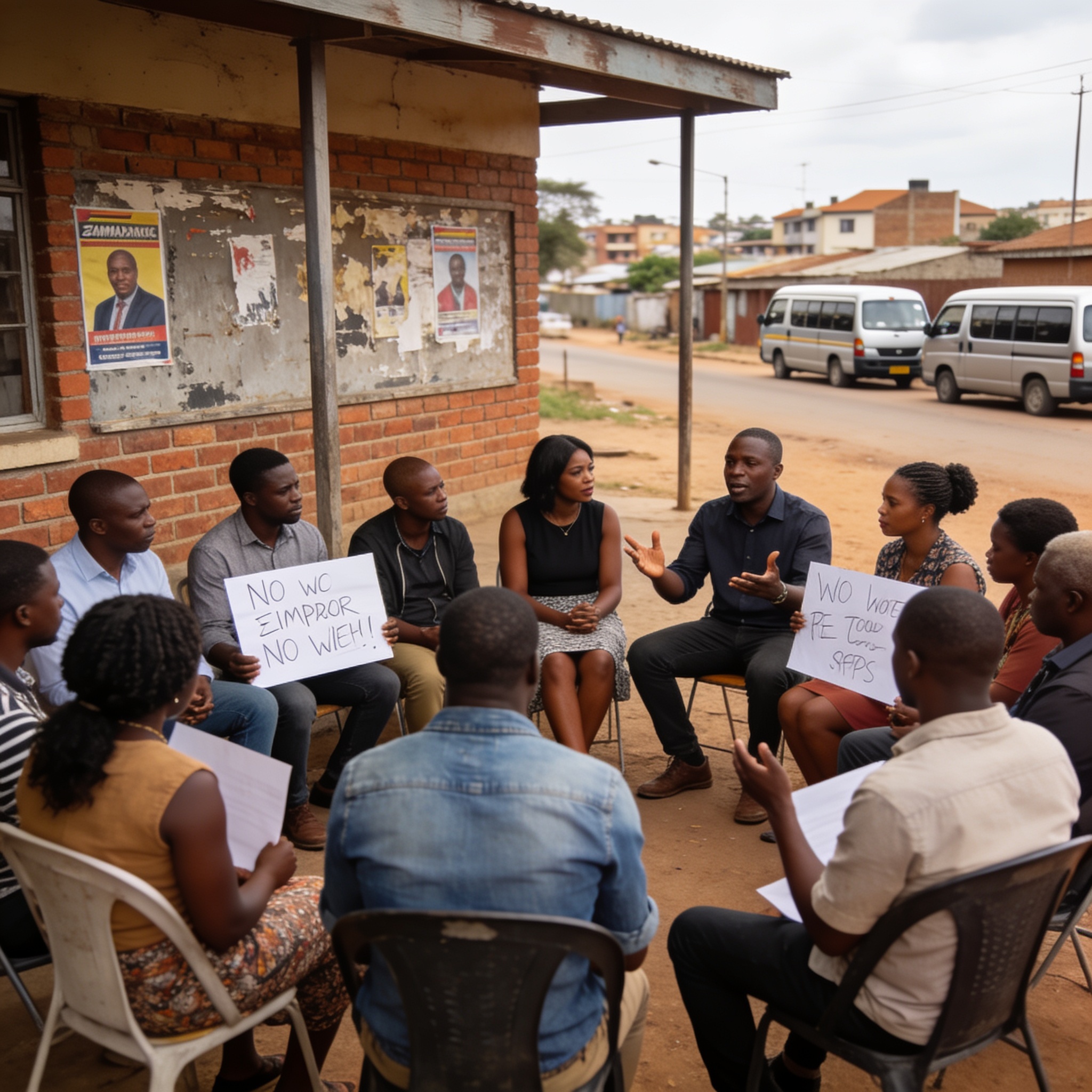
Advocates are calling on the government to integrate dementia care into primary health services, train community health workers in early detection, and establish support groups for caregivers. Non-governmental organisations have begun piloting respite care programmes, but they remain small-scale and underfunded.
Meanwhile, families like Tendai’s continue to cope as best they can. “I hold her hand and tell her I love her, even if she doesn’t know who I am,” he says. “That’s all I can do.”
As Zimbabwe’s elderly population grows, the need for a national response to dementia becomes ever more urgent. Without it, thousands more families will hear the heartbreaking words: “Gogo doesn’t know me anymore.”