Bindura has switched on a long-delayed water project that gives the town a second raw water source, ending a search for supply that stretched back more than three decades.
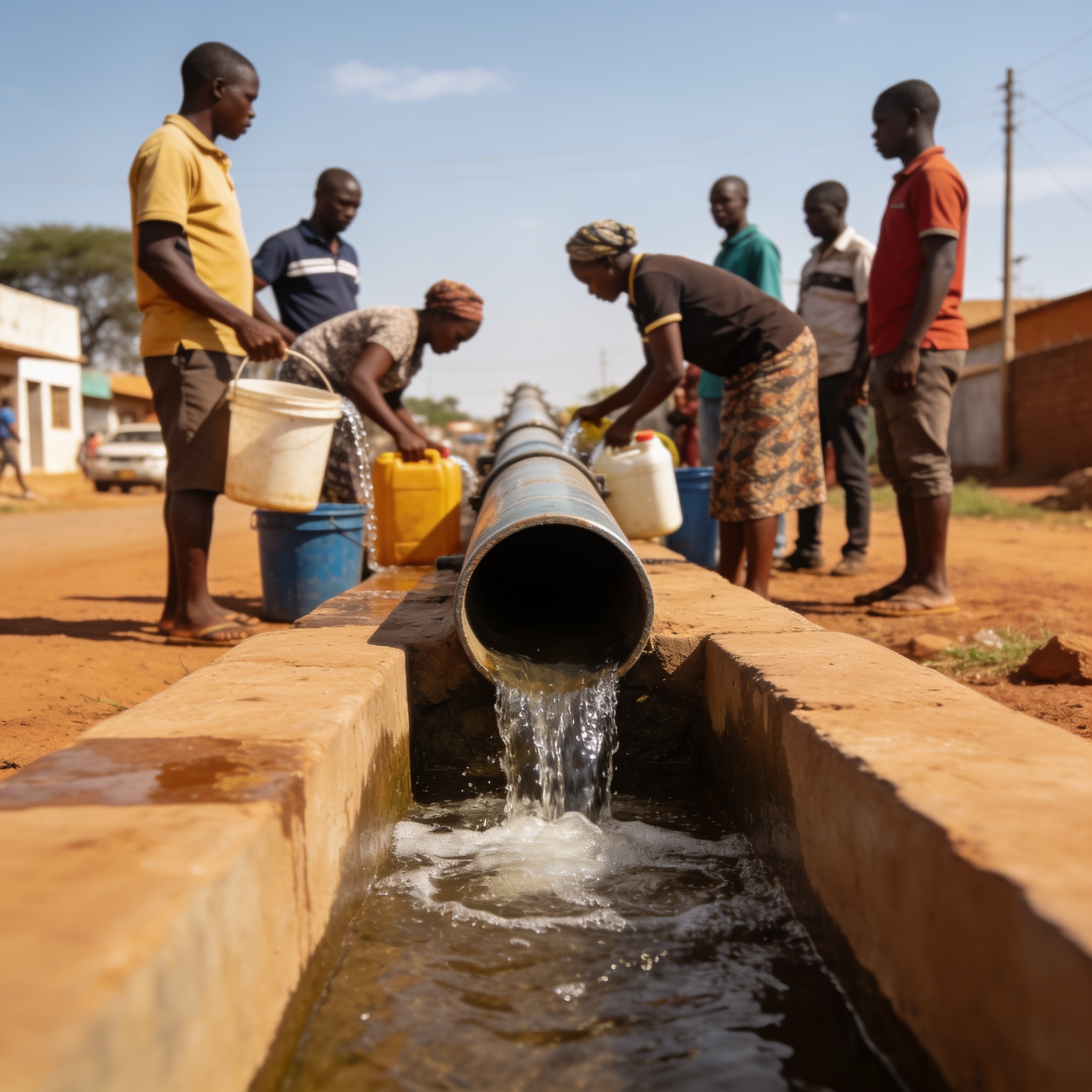
The 22.1-kilometre Masembura Water Transmission Pipeline was commissioned this week after a US$3 million investment shared between Mutapa Gold Resources and Bindura Municipality. The mining company covered 60 percent of the bill, with the local authority funding the balance, while the Zimbabwe National Water Authority (Zinwa) handled implementation.
The infrastructure allows Bindura to draw raw water from Masembura Dam alongside the Mazoe River, and includes a 500-cubic-metre balancing tank to stabilise supply.
A town that was running dry
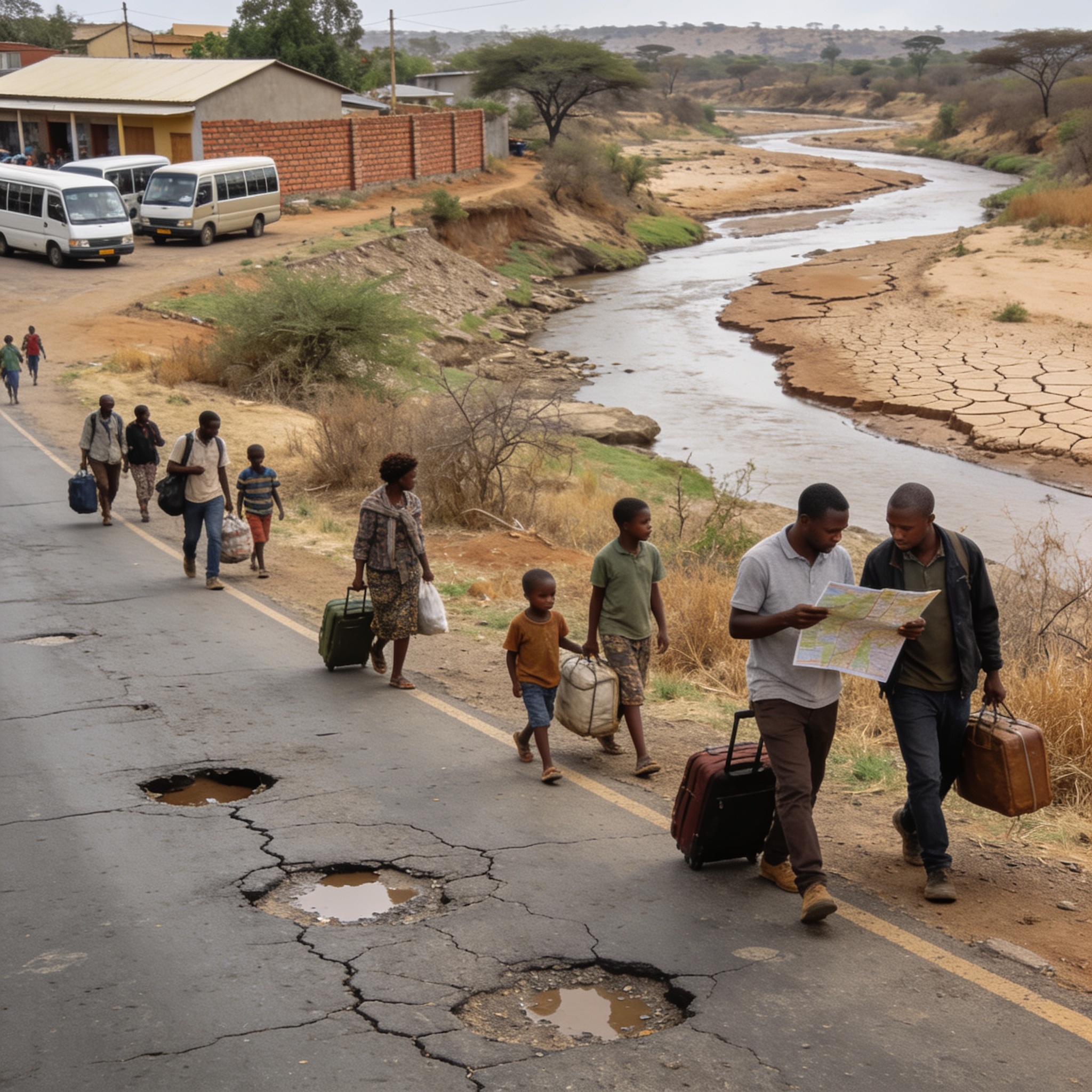
The project’s urgency became clear in April 2025, when Mwenje Dam — then one of Bindura’s principal sources — had fallen to 36 percent of capacity with the dry season barely under way. With the next rains still months off, residents faced the prospect of severe rationing, while Freda Rebecca Gold Mine risked losing the process water its operations depend on.
Mutapa Gold Resources chief executive Patrick Maseva-Shayawabaya said the falling dam levels prompted the company to act rather than wait.
“That was a clear red light to us that we potentially faced not having processing water at Freda Rebecca Gold Mine in the latter part of the season and that Bindura Town would also not have some water for human consumption,” he said.
At the same time, Masembura Dam was sitting at roughly 90 percent of capacity. That contrast, he explained, convinced the company to back a pipeline that had been discussed for years but never built.
Thirty-four years on the shelf
Bindura Town Clerk Evelyn Madziire said the project had been on the municipality’s books since 1992 — 34 years during which the town’s water security steadily eroded. She described the completion as a turning point for service delivery and for attracting investment.
“Water is the backbone of investment and a major driver of economic activity, without water there is no development to talk about,” she said.
Mashonaland Central Provincial Affairs and Devolution Minister Christopher Magomo, who officiated at the commissioning, said the new source has already cut the cost of treating water and reduced the time needed to refill reservoirs.
He noted that Bindura’s dependence on the Mazoe River had also exposed the town to water quality problems linked to illegal alluvial gold mining upstream, a risk that a second source helps dilute.
Magomo used the occasion to argue that infrastructure gaps cannot be closed by government alone, pointing to the pipeline as an example of what partnerships between the state, local authorities and private firms can achieve.
What still needs fixing
The pipeline solves the raw water problem, but it does not resolve every constraint facing Bindura’s system.
The town’s water treatment plant was designed for a far smaller population and needs to be expanded, while the distribution network must be extended into growing residential and newly developing areas. Until those upgrades follow, some households may still find that supply does not reach them reliably, even with a healthier dam behind the system.
The municipality’s immediate challenge, therefore, is ensuring that treatment and distribution capacity keep pace with the town’s growth.
Mining beyond the pit
For Mutapa Gold Resources, the investment is presented as part of a wider approach to leaving host communities better off.
The company says mining should create value that outlasts production figures and the life of a mine, and should strengthen local resilience rather than simply extract.
For Bindura, the practical result is a US$3 million lifeline that converts a plan first drafted in the early 1990s into working infrastructure — and a water supply that no longer rests on a single, shrinking dam.