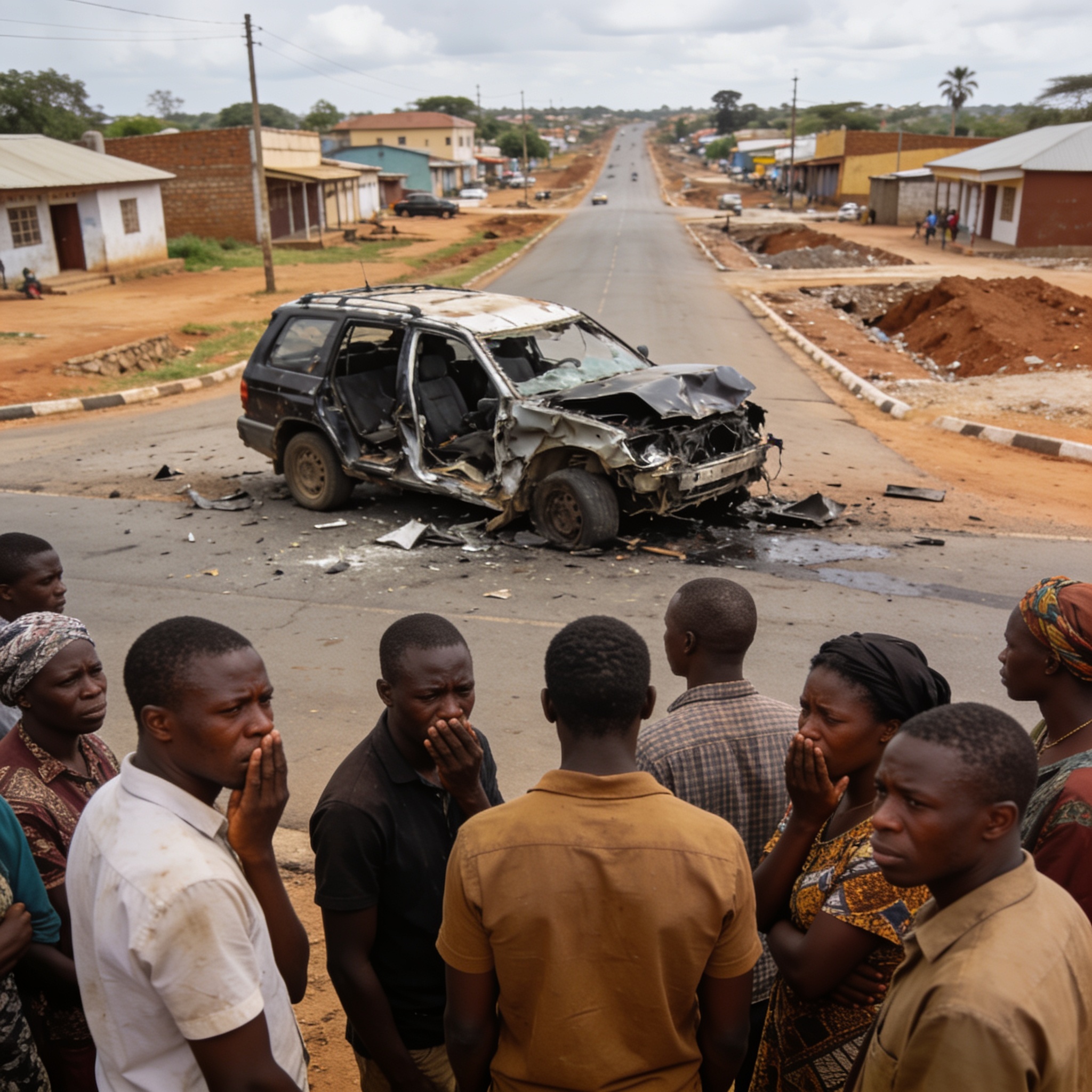
A nation reckoning with loss
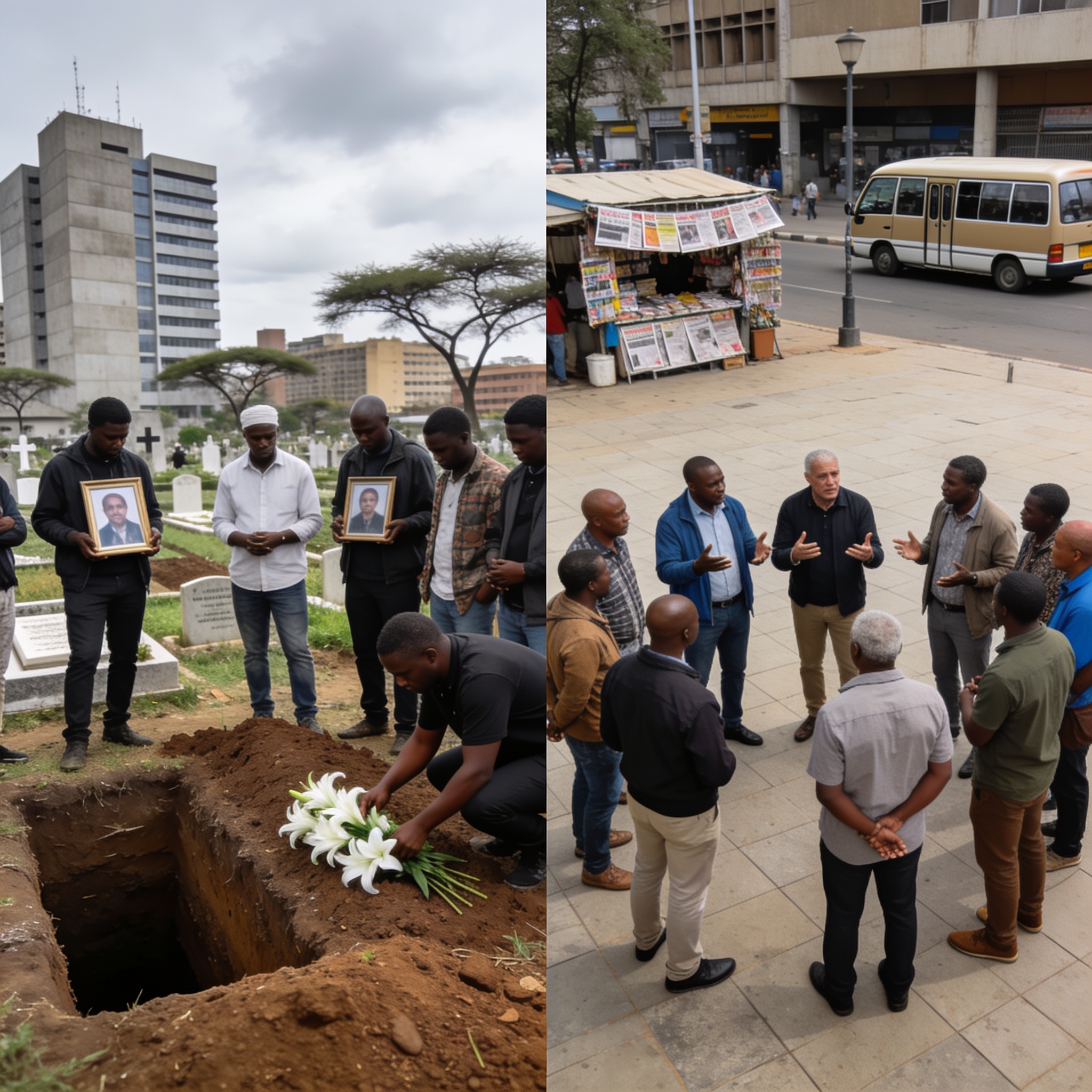
Zimbabwe’s public mood on 2 October was shaped by grief, controversy and a renewed focus on governance, after the Marondera helicopter crash that killed prominent businessman Wicknell Chivayo, his wife Lucy Muteke and three other occupants. National leaders and cultural figures issued condolences, while ordinary citizens wrestled with the meaning of a death that exposed deep divisions over wealth, patronage and civic responsibility.
State House said the nation was left in shock by the sudden loss and highlighted the businessman’s philanthropy and rural investment plans. The President described the deceased as a generous private-sector figure whose activities extended across charity, community development and engagement with national goals. That official framing stood alongside a more unsettled public debate, with some Zimbabweans mourning a family and others questioning how conspicuous private wealth interacted with public trust.
Artists and the aftermath of a broken contract
Cultural responses were among the earliest. Thomas ‘Mukanya’ Mapfumo and The Blacks Unlimited extended sympathy to the bereaved families and affirmed that their team would honour previously scheduled performance commitments. For a musician whose career has been tied to national identity and grassroots memory, the gesture added a sobering note to an already tense week: art, obligation and bereavement intersected at a time when many public events are under review.
Cross-border reactions and accountability debates
The tragedy also generated commentary beyond Zimbabwe’s borders. Discussions across African online spaces focused less on private grief than on the broader question of whether economic success, public generosity and proximity to power are properly accountable to citizens. The crash became an accidental mirror for debates about tender capitalism, gender-based violence, migrant exploitation and the reputational risks facing businesses that operate across regional markets.
Those conversations gained urgency alongside other developments. South Africa’s transport ministry placed contracts linked to a Zimbabwean businessman under legal review after a viral intimidation episode involving women, while Zimbabwe’s own courts and law-enforcement channels continued to manage cases of serious public misconduct. The regional tone suggested a widening expectation that personal wealth should not insulate anyone from legal scrutiny.
Local governance under pressure
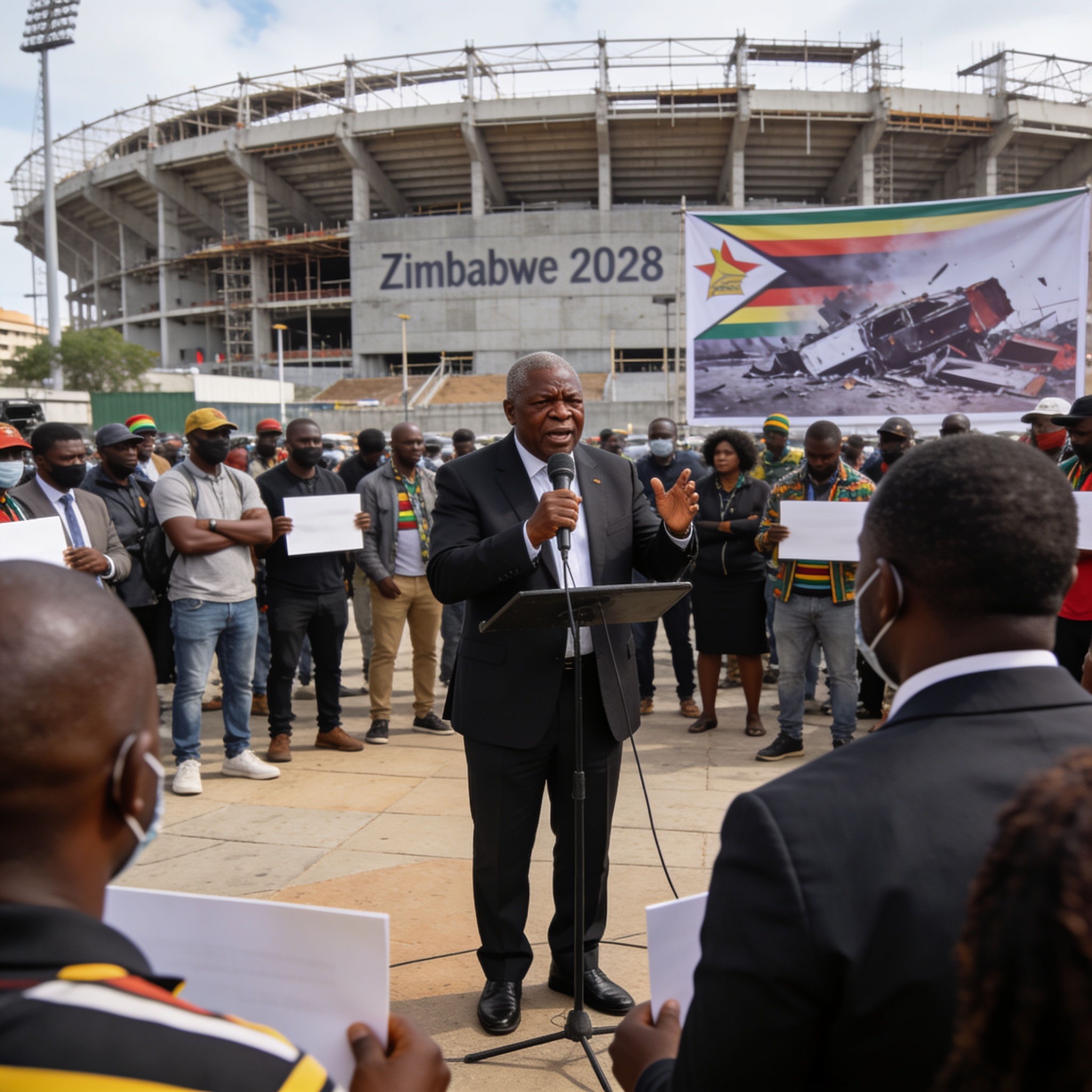
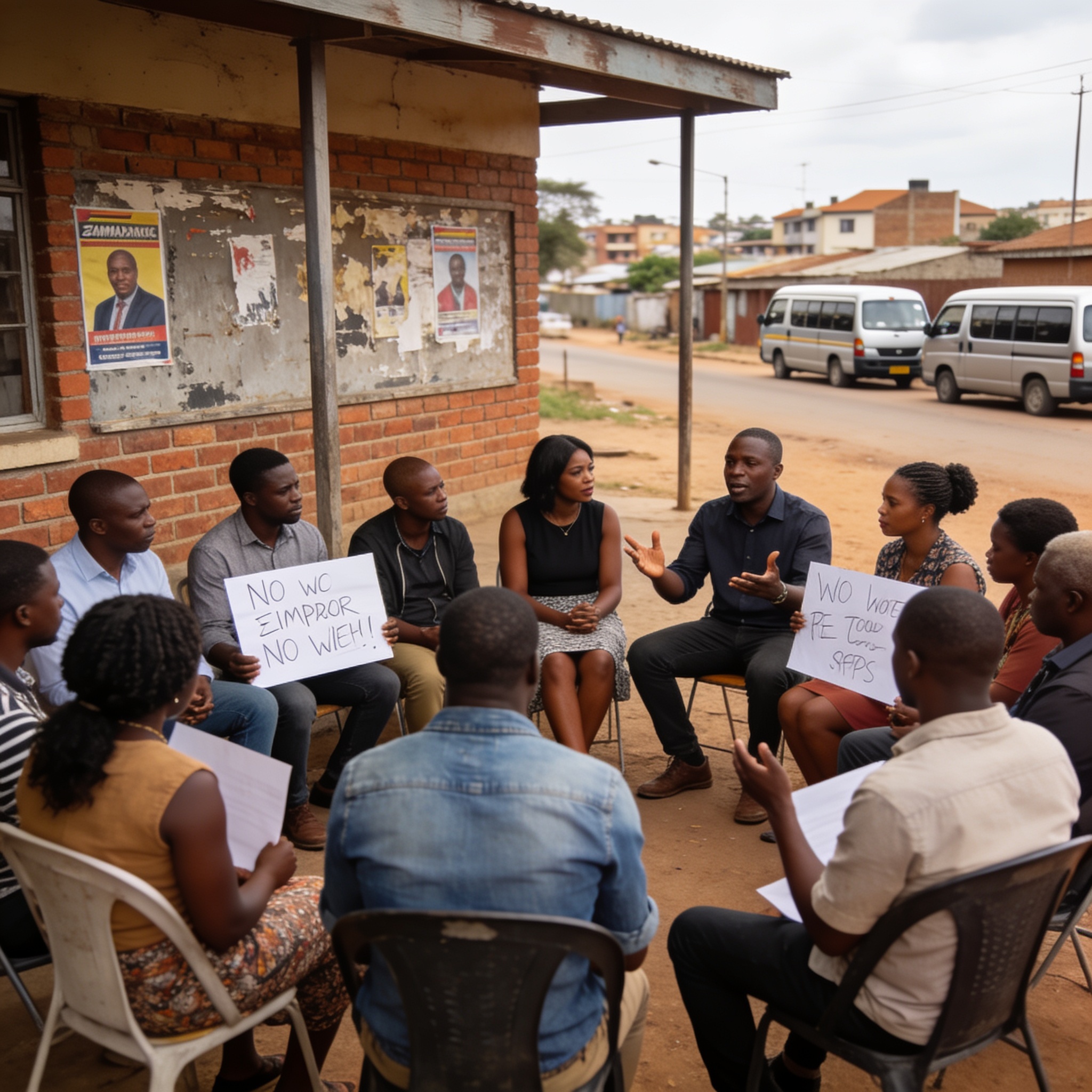
Zimbabwe’s political scene also showed signs of civic restlessness. In Victoria Falls, a mayoral no-confidence motion tested the council’s appetite for disciplined leadership, with accusations of misconduct, incompetence and disregard for legal standards. In Bulawayo, city authorities issued a warning against speculative stand sales marketed as a smart-city project in Cowdray Park and adjacent suburbs, a reminder that residents remain vulnerable to fraudulent development narratives.
Together, these items show that accountability is no longer abstract. Voters and ratepayers are increasingly prepared to challenge officials, expose illegal land sales and demand that development branding match verified municipal planning.
Economic modernization from farms to laboratories
Alongside grief and governance concerns, Zimbabwe’s national conversation moved toward productivity. Agriculture leadership urged farmers to look beyond raw harvests and build stronger processing links, aggregation models and fuller participation in value chains so rural households can retain more profit. Midlands State University, meanwhile, argued that research should be pushed from academic publication toward industrialisation and practical economic transformation, with artificial intelligence highlighted as a strategic priority if universities, government and industry build supportive ecosystems.
These messages point to a country aware that resilience cannot rest on extraction or sporadic philanthropy alone. More processing, better local enterprise and disciplined innovation are needed if the next decade is to deliver stable incomes rather than headlines driven by individual fortunes.
Security, climate and migration risks
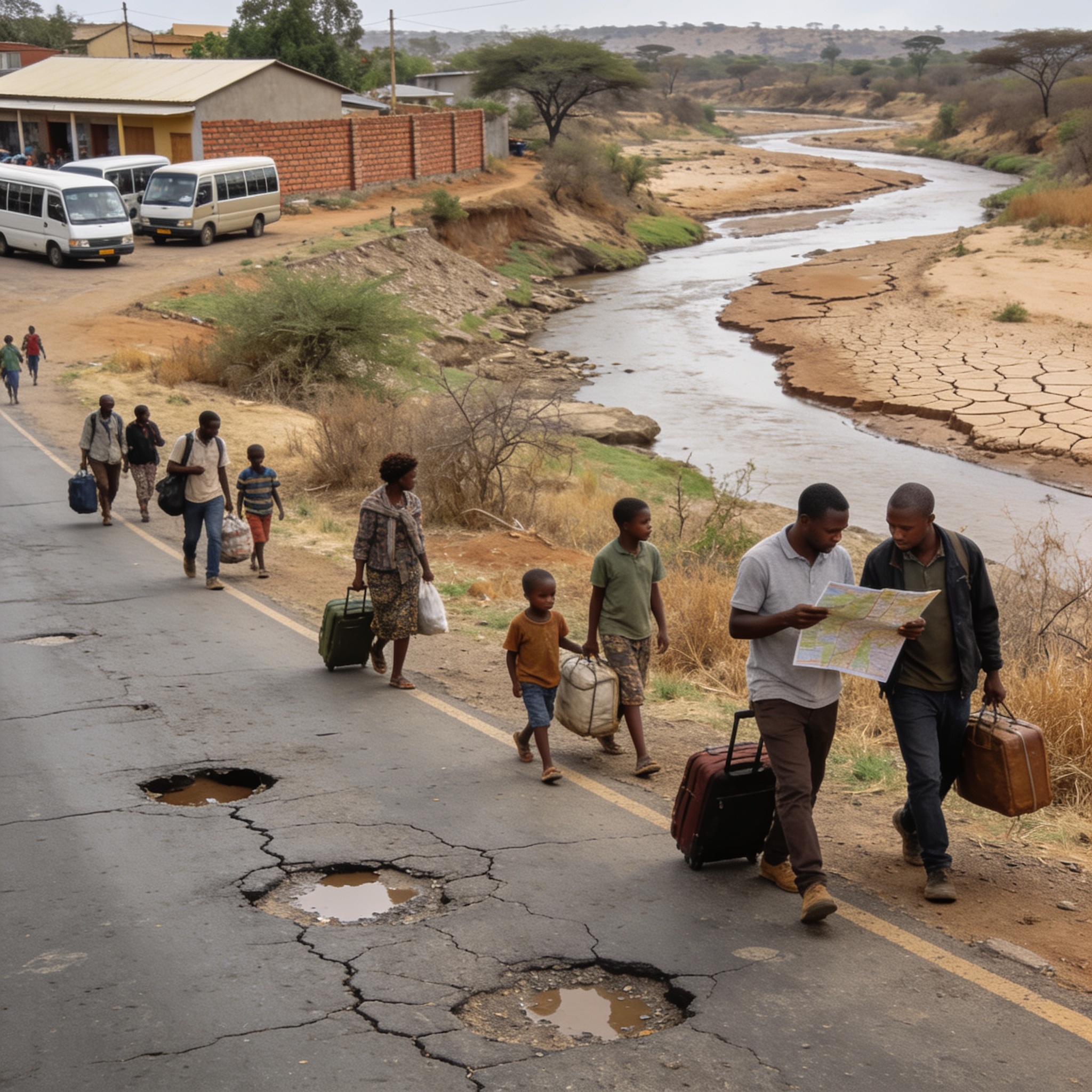
Safety and mobility issues also featured prominently. Matabeleland South officials reported a sharp surge in veld fires, with a 200 percent increase so far this year and livestock deaths recorded in Gwanda District, a sign that climate stress and inadequate fire preparedness are converging. On migration, the International Organization for Migration warned that Lake Kariba is being used by traffickers and smugglers as an alternative to monitored land borders, citing limited coast guard capacity and evolving criminal tactics.
The government responded with a pledge to confront transnational syndicates advertising fake overseas jobs through proposed trafficking legislation. That bill, if enacted, would strengthen tools against recruiters who exploit vulnerable jobseekers and push them into dangerous pathways abroad, including armed conflict or undocumented labour.
A country in transition
The day’s news captures a Zimbabwe caught between sorrow and transition. A high-profile crash has prompted official mourning and public questioning; local councils are testing accountability; economic officials are pressing for deeper transformation; and security institutions are confronting emerging threats along borders, roads and digital spaces.
For citizens, the practical lesson is clear: grief is real, but governance must improve. If the country wishes to honour the dead while protecting the living, it must pair sympathy with stronger institutions, clearer regulation, and a fairer share of economic opportunity.