Zimbabwe is moving through a high-stakes end of September, with three themes dominating public conversation: the legal contest over Constitutional Amendment No. 3, grief and safety questions after a fan died outside the National Sports Stadium, and government attempts to sell an economic model built around infrastructure, investment and a 7–8% growth target.
CAA3 reaches the apex court
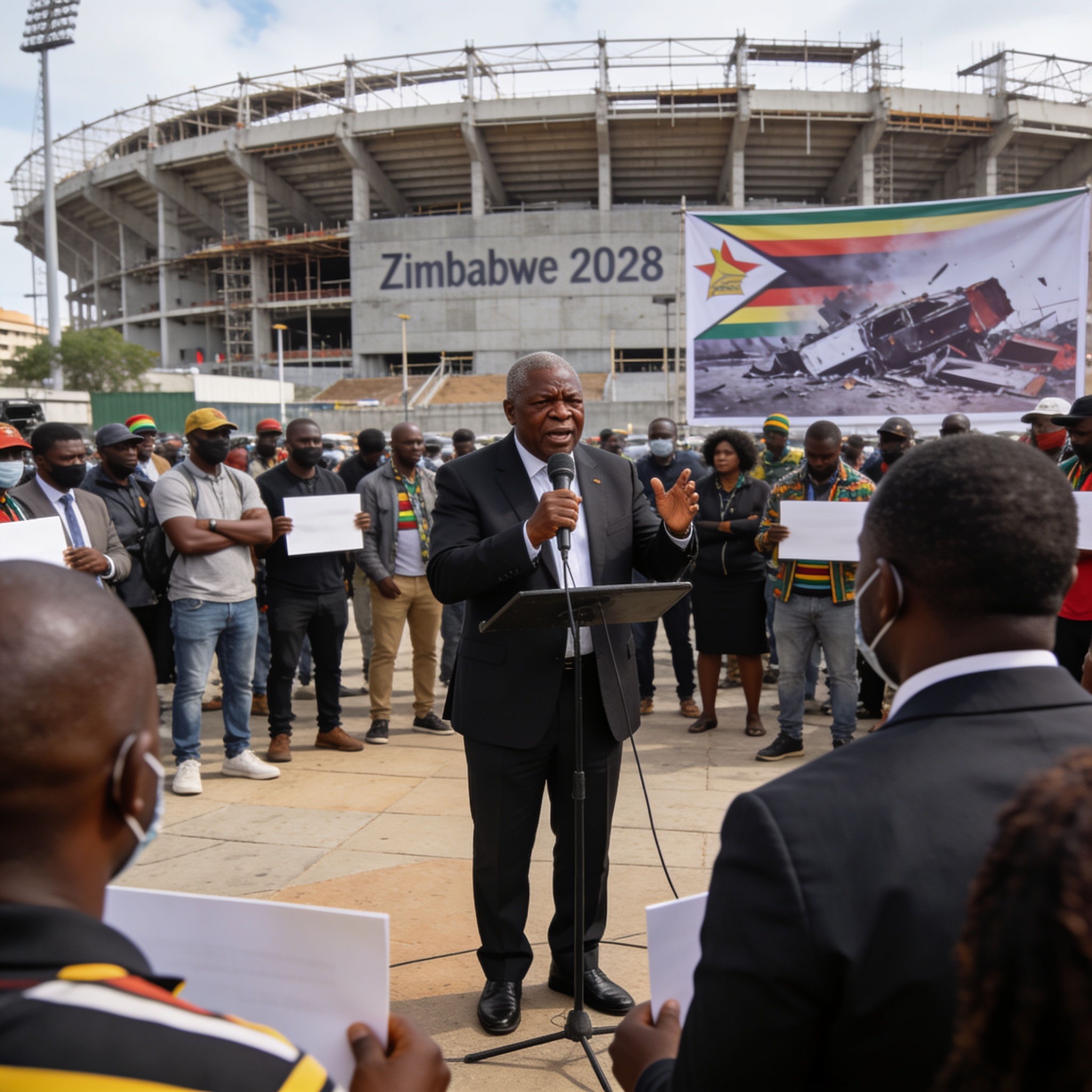
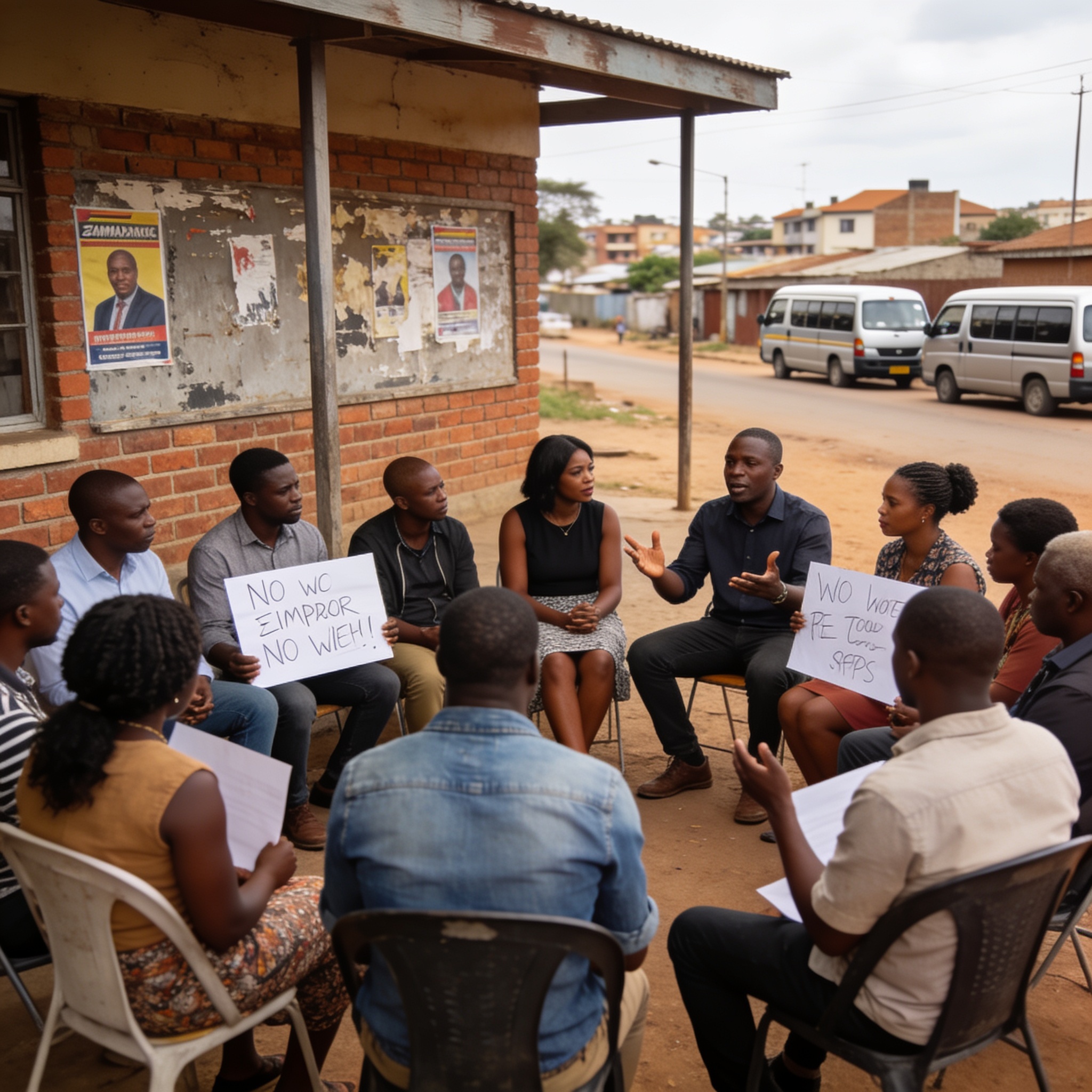
At the centre of the political debate is a sweeping constitutional change that would lengthen presidential and parliamentary terms to seven years and replace direct presidential elections with a vote by legislators. Critics say the amendment removes a core democratic right without the referendum required by the constitution. Defenders of the reform argue it is lawful and necessary, but the dispute has produced several applications before the Constitutional Court.
Lawyer Professor Lovemore Madhuku said five matters are now pending or have been linked to challenges against the amendment, with more cases expected. The challenges cover overlapping issues: whether the direct election of the president can be removed without a referendum, whether incumbents can benefit from new term provisions, procedural irregularities in the drafting and passage of the law, and a consolidated case brought by war veterans and opposition-linked parties. A ruling in one matter is expected soon, while courts appear set to coordinate the remaining disputes.
For readers following Zimbabwe politics, the case tests more than legal wording. It goes to the future of presidential selection, the length of public mandates, and how citizens can hold the state accountable through elections. It also intersects with economic expectations, because uncertainty around governance can affect investor confidence, donor relations and the credibility of reform messaging.
Stadium tragedy forces scrutiny of crowd safety
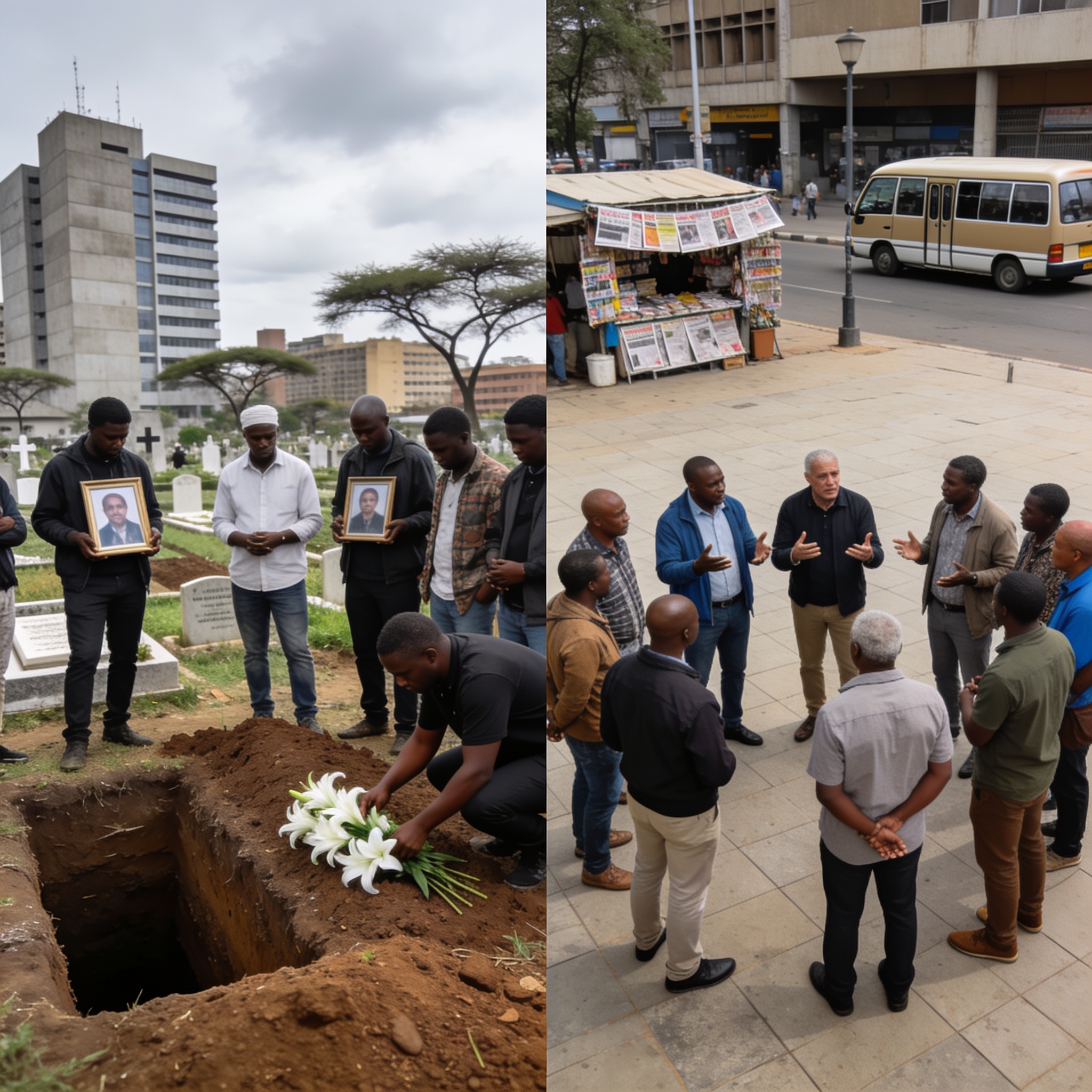
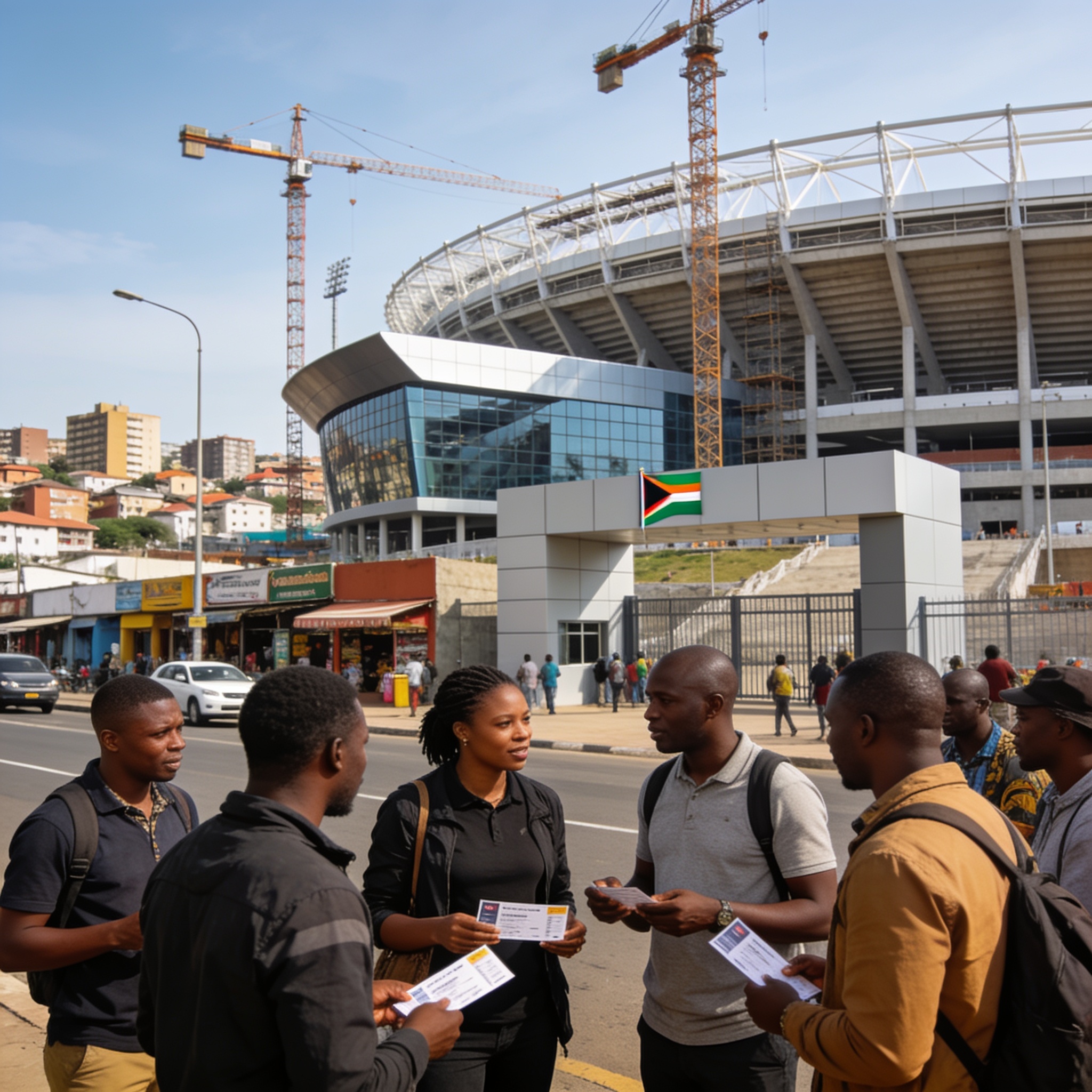
Football has also become a flashpoint for accountability. Zimbabwe football authorities mourned a supporter who died on Monday, 28 September, while entering the National Sports Stadium for the Africa Cup of Nations qualifier against the Democratic Republic of Congo. Reports placed the incident at Gate 2, where heightened security and impatient queues reportedly created dangerous crowding before kick-off.
ZIFA said it is working with police and stadium operators to investigate what happened, review access-control procedures and address injuries among fans. The sport ministry described the loss as a national tragedy and pledged to strengthen emergency response and access management at sporting venues. Ahead of the Young Warriors match against Mauritius, temporary parking fees were suspended, and authorities introduced additional stewards, turnstile checks and entry guidance in a bid to reduce congestion.
The incident raises familiar questions about matchday operations in Zimbabwe: how to balance security with humane access, how to communicate entry delays, and whether stadiums can protect fans when ticket sales exceed safe gate throughput. For families attending football, the message is grim: a crowd-management failure should not become another preventable public disaster.
Growth ambitions meet reform expectations
Economic policy remains the other major thread. Speaking at the Zimbabwe Economic Development Conference in Bulawayo, President Emmerson Mnangagwa tied the country’s upper-middle-income ambition to smart infrastructure and a target of 7–8% growth. The government has also approved a 2026–2030 National Social Contract aimed at aligning labour, business and public institutions around shared development commitments.
That growth narrative is paired with several market-facing measures: the Forestry Commission is inviting commercial lease bids for prime estates; calls are growing to turn diaspora remittances into longer-term investment capital; policymakers are urging reforms to limit the entanglement between state borrowing and banks; and officials want exporters to diversify beyond mineral dependence in the booming UAE trade corridor. In Matabeleland South, the Ministry of Industry and Commerce is pushing industrial parks to attract jobs and value addition.
These plans matter because Zimbabwe’s political credibility increasingly depends on whether constitutional reform, public safety and economic delivery are handled with transparency. A strong growth agenda needs stable rules, accountable institutions and trust that citizens will not pay the price of policy gaps. If legal disputes over CAA3 proceed openly, if stadium safety is fixed after the tragedy, and if investment reforms move from conferences to bankable projects, the country may show that 2026’s difficult headlines can become a turning point rather than a warning.