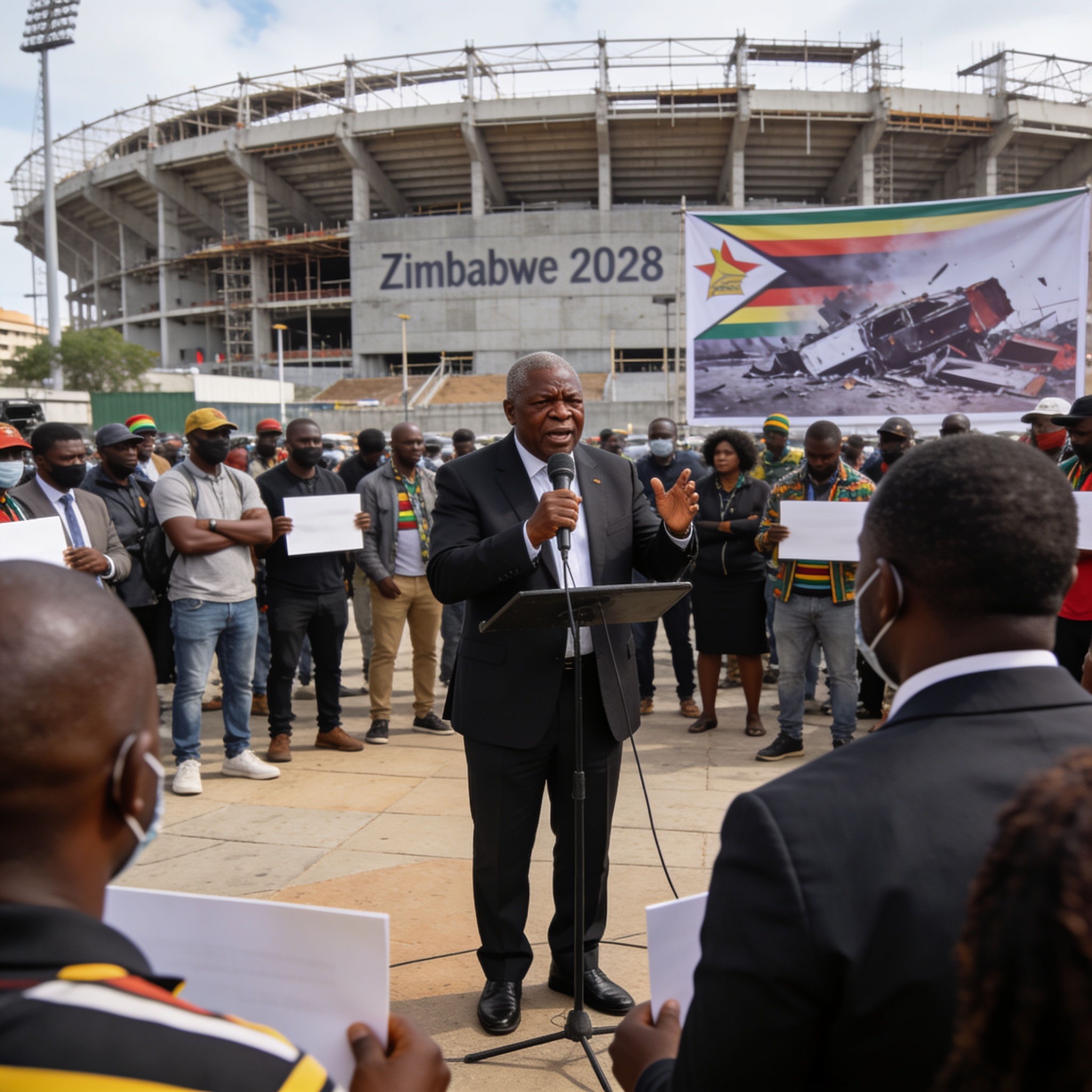
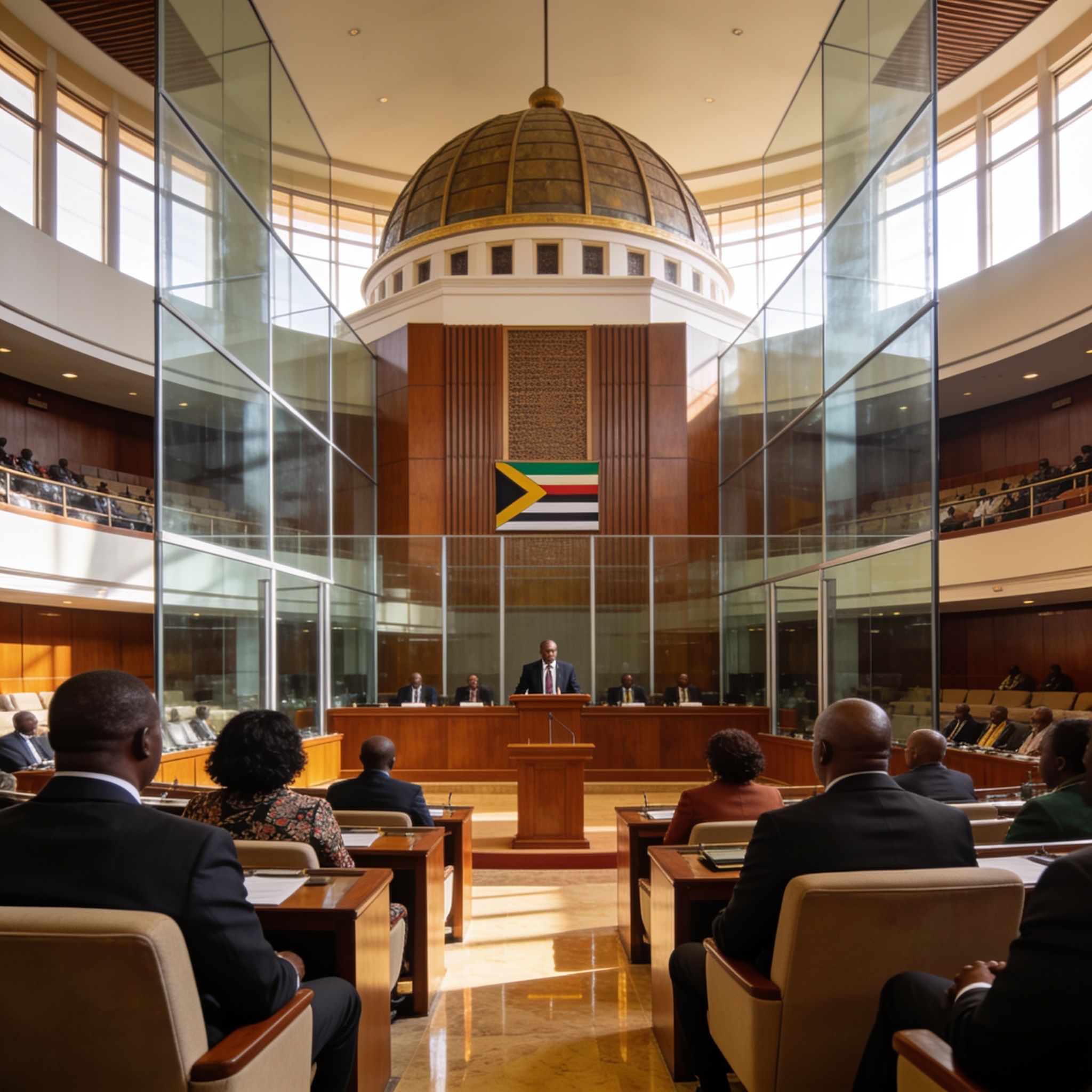
President Emmerson Mnangagwa is expected to deliver the 2026 State of the Nation Address and formally open the Fourth Session of the 10th Parliament at the new Parliament Building in Mt Hampden. The event brings together the three arms of State and gives the Executive a platform to set the legislative agenda, while Parliament faces pressure to turn policy promises into measurable oversight.
Constitutional change moves to the centre of the session
The address arrives at the close of a politically consequential sitting. Clerk of Parliament Kennedy Chokuda has said the President will review the work of the previous session and outline Government priorities for the coming year. The previous sitting produced seven substantive bills, excluding routine appropriation laws, and its dominant legacy is the Constitution Amendment No. 3 Bill, often called CAA3, which altered arrangements for the election of the President, extended the presidential term, returned voters roll compilation to the Registrar General and created additional Senate seats.
The amendment also sparked legal debate. A Constitutional Court challenge over its validity was reserved for judgment in late September, making the opening of the new session a moment of political as well as legal interest. For lawmakers and commentators, the key question was not only whether the amendment had passed with bipartisan support, but whether its implementation would preserve institutional independence and public confidence.
What Parliament must align after CAA3
CAA3 has created a long tail of technical work. Existing laws may need to be reviewed so that ordinary statutes match the revised constitutional framework. The Electoral Act is likely to be central, especially if Parliament has to update rules on nominations, candidate registration, dispute resolution and the administration of the voters roll. The role of the Registrar General also raises practical questions about accuracy, transparency and public participation, particularly as citizens demand confidence in electoral systems.
These adjustments matter beyond formal law. Zimbabwe’s political credibility depends on whether changes are made through clear, fair processes and whether institutions are seen to operate independently. For the Fourth Session, the executive’s legislative priorities will therefore be judged by how seriously they address governance, accountability and public trust.
Economic reform and investor confidence
Economic recovery remains a sensitive theme for households and producers alike. Recent export performance has shown periods of strength, with Zimbabwe recording a wider trade surplus, yet farmers are concerned about collapsing commodity prices and contract farming conditions. Tobacco producers have been urged to review contract models after auction prices fell sharply, and mining stakeholders have called for responsible formalisation of artisanal and small-scale mining.
Market developments are also drawing attention. The Securities and Exchange Commission has authorised a local financial securities exchange to act as a national coordinator and order-routing platform for a major regional refinery listing. That move could signal growing appetite for regional investment, but it will also require stronger disclosure standards, settlement systems and investor protection.
The Fourth Session is expected to continue legislative work linked to mining, financial markets and public finance management. Lawmakers will also be asked to examine how the government is moving from the first National Development Strategy into its next phase, with infrastructure, food security, energy, digitalisation and job creation likely to frame the debate.
Climate resilience as a political issue
Climate risk is no longer a side story for Zimbabwe. Meteorological warnings about a severe El Nino season have pushed government to prepare a cloud-seeding programme expected to begin on 1 November, while agricultural officials are encouraging farmers to adopt drought-tolerant practices and water-smart farming. The issue is now inseparable from politics, because rainfall failures affect food supply, household incomes and fiscal pressure.
Policy discussions are shifting water assets toward wider economic use. Dams are increasingly framed not only as irrigation sources but as hubs for fisheries, municipal water, energy production and climate-proof agriculture. Aquaculture projects, including tilapia production supported by regional partners, are part of the same effort to strengthen food security and rural income.
Service delivery and public safety pressure
Parliamentary openings are ultimately measured by how people experience government. Local authorities are continuing clean-up and restoration operations, including enforcement against illegal businesses in towns such as Rusape and Chipinge. Municipalities in places like Beitbridge have warned vendors and operators before by-law enforcement begins.
Public safety concerns have also surfaced. Police reported arrests connected with armed robbery cases in Beitbridge and Chegutu, while local councils are debating how to handle allegations against elected representatives without undermining due process. These issues make service delivery, accountability and citizen confidence core themes for the new session.
What Zimbabwe should watch next
As the President delivers the address, attention will focus on three things: whether the legislative agenda clearly responds to CAA3 implementation; whether economic measures address price collapse, energy, mining reform and job creation; and whether climate and service delivery plans move beyond announcements to practical implementation.
The Fourth Session begins with a crowded schedule. If the State of the Nation Address is to do its work, it will need to translate political ceremony into a measurable programme that farmers, miners, health workers, students, vendors and families can recognise as a step toward stability.