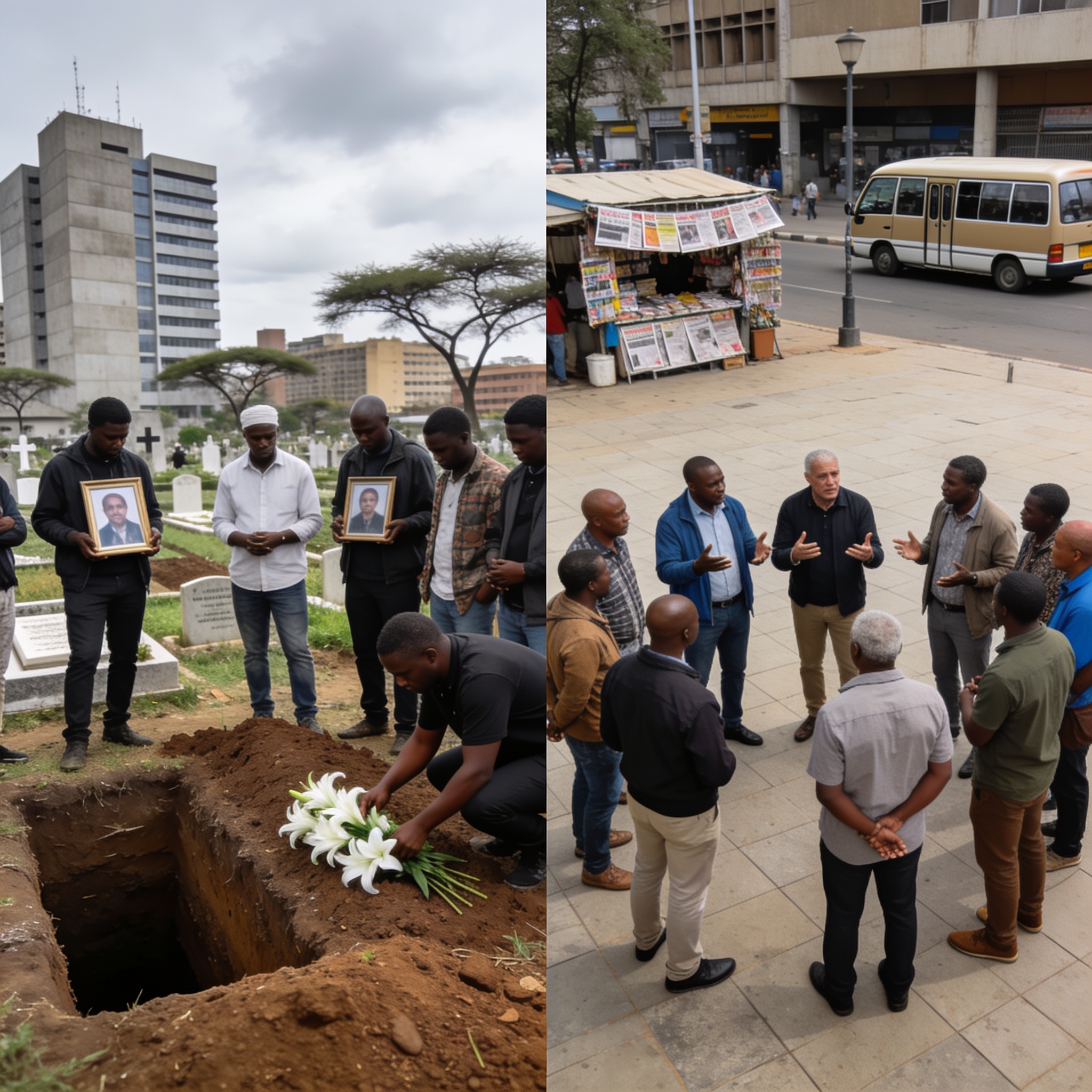
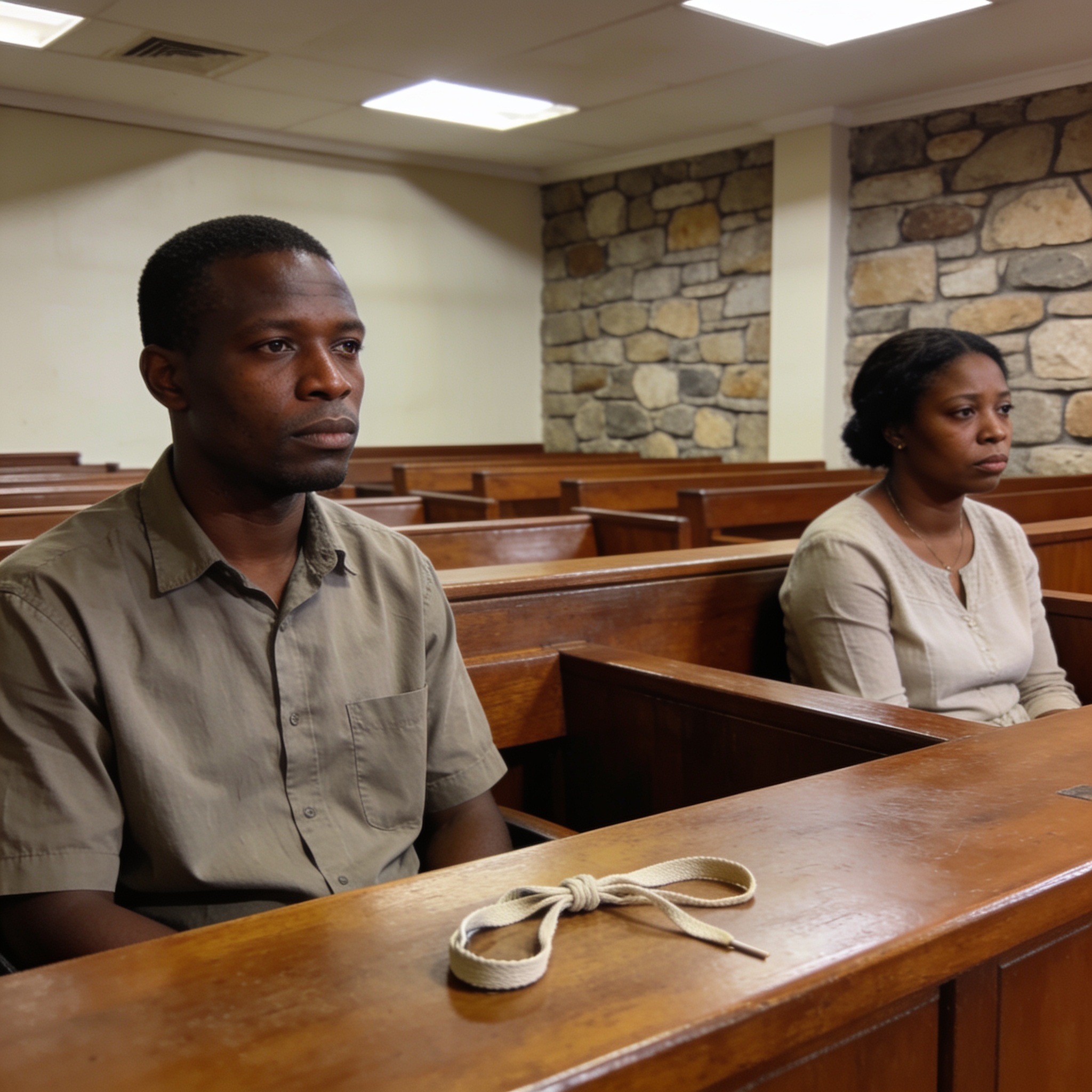
A Harare man has appeared before a city magistrate on a murder charge after his wife was allegedly strangled with a shoelace, in a case that has again turned attention to violence inside Zimbabwean homes.
Stephen Sarurai stood before magistrate Lisa Mutendereki, where the charge was put to him. As is standard in murder proceedings at this stage, he was not asked to plead, and the matter was set down for continuation before the courts.
What the court was told
The state alleges that Sarurai killed his wife by strangling her with a shoelace. Because the matter is now before the courts, no findings of guilt or innocence have been made, and the accused is presumed innocent unless and until a competent court determines otherwise.
Murder is a non-bailable offence in Zimbabwe in most circumstances, meaning an accused person is ordinarily held in custody while investigations are completed and a trial date is secured. Preliminary hearings of this kind typically deal with the reading of the charge, the accused’s rights, and the remand position rather than the substance of the state’s evidence.
Why no plea was taken
Under Zimbabwean criminal procedure, an accused person is not required to plead to a murder charge at a first remand appearance. Magistrates’ courts conduct these initial proceedings, while the actual trial for a charge of that gravity is ordinarily heard in the High Court, which has jurisdiction over murder cases.
That means the magistrate’s role at this point is largely administrative: confirming the identity of the accused, recording the charge, and ensuring the matter is properly placed before the appropriate court. The prosecution is expected to continue building its docket, which may include post-mortem results, witness statements and forensic evidence, before the case is transferred.
A recurring pattern in Zimbabwean homes
The death of a spouse in circumstances of alleged intimate-partner violence is not an isolated phenomenon in Zimbabwe. Cases involving men accused of killing wives or partners surface in the courts with troubling regularity, and they cut across income levels, provinces and communities.
Acts of violence within relationships rarely begin without warning. Advocates who work with survivors describe a pattern in which controlling behaviour, threats and physical assault escalate over time, often without intervention from relatives, neighbours or the authorities until it is too late.
Support services for survivors remain unevenly distributed. Organisations offering shelter, counselling and legal assistance are concentrated in urban centres, leaving many women in rural and peri-urban areas with few options when they need to leave an abusive partner. Police stations are the first point of contact for many complainants, but follow-through depends on the availability of trained officers, prosecutors and safe accommodation.
What happens next
Sarurai’s case will return to court as the state finalises its investigations. Should the matter proceed to trial, the prosecution will be required to prove its case beyond a reasonable doubt, and the accused will have the right to legal representation, to challenge evidence and to call witnesses of his own.
For families on both sides, the process is likely to be long. Zimbabwe’s superior courts carry heavy criminal rolls, and murder trials can take years to conclude, a delay that compounds the strain on relatives seeking answers.
For now, the case sits where many such matters begin: in a magistrates’ court, on a remand roll, with the substantive question of guilt still unanswered.