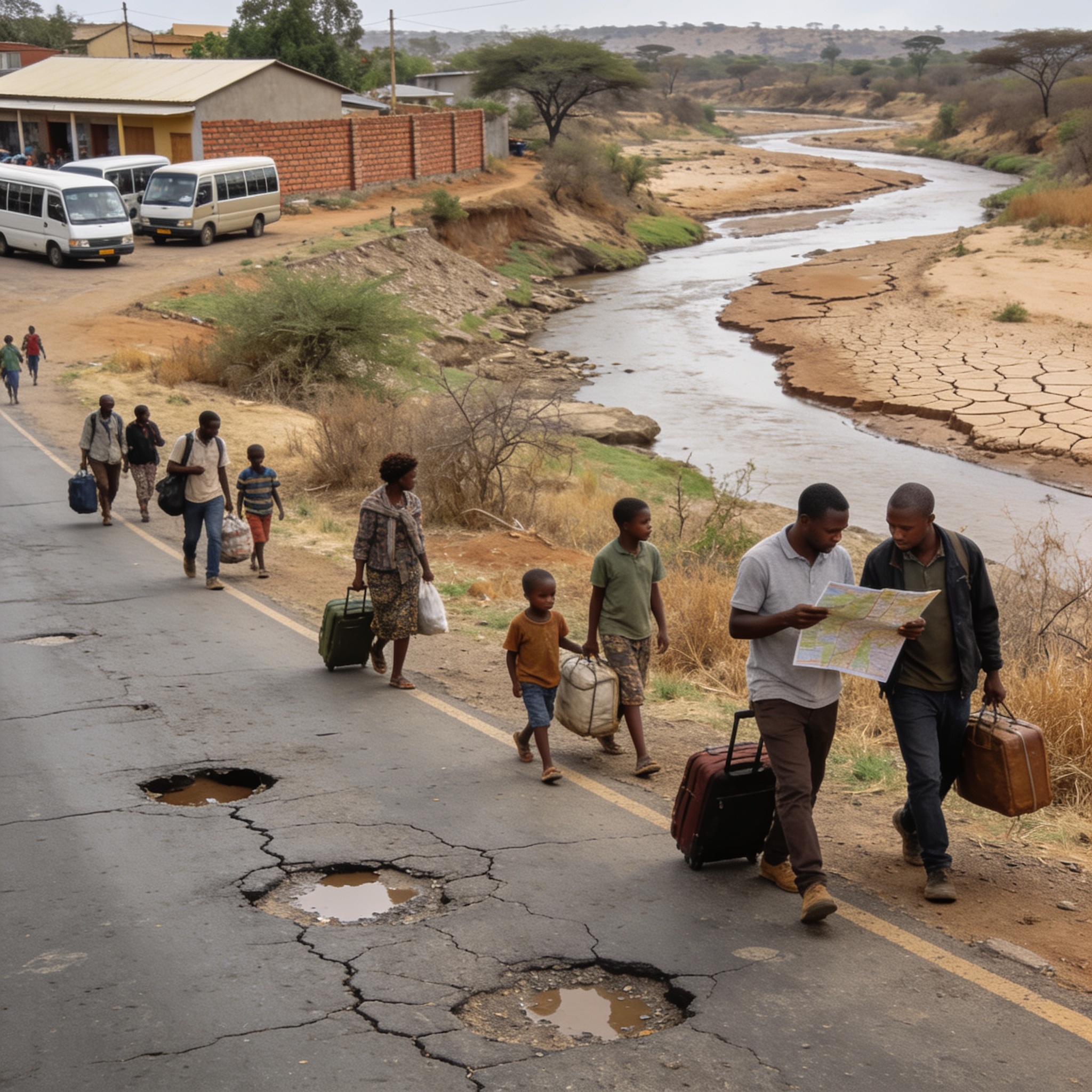
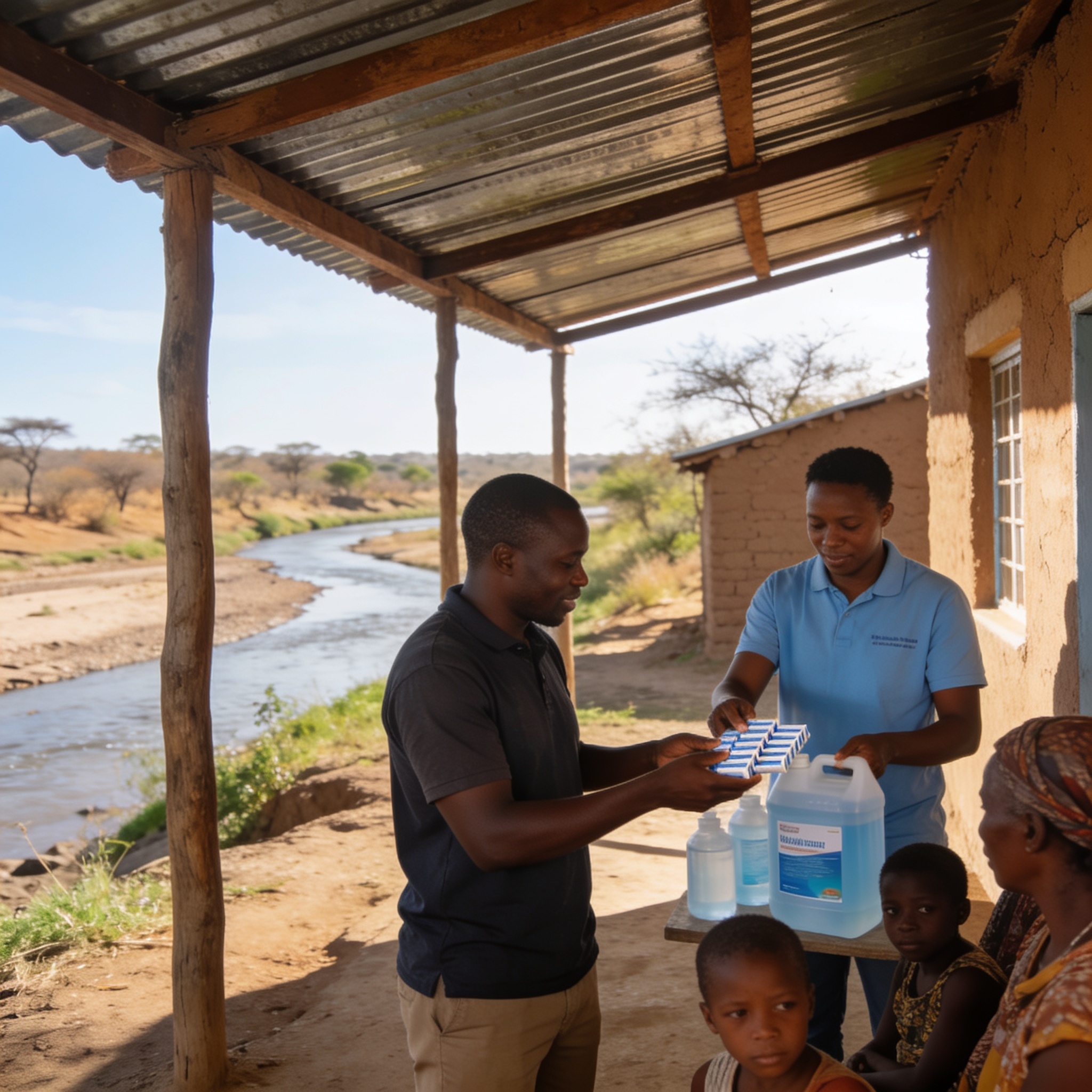
As August draws to a close, Zimbabweans are feeling the shift from the chilly, dry winter to the gradual warmth that signals the approaching rainy season. This transition places new demands on the body, and health professionals say small adjustments can make a big difference.
Why seasonal changes affect your health
The human body works hard to regulate temperature, hydration and immune responses. When temperatures fluctuate sharply between cold mornings and hot afternoons, the risk of respiratory infections, flu and dehydration rises. Dusty winds common in late winter can also trigger allergies and asthma.
Practical tips for the seasonal transition
To stay healthy during this period, experts recommend drinking plenty of water even when it doesn’t feel hot, eating vitamin-rich fruits and vegetables to strengthen the immune system, and dressing in layers to cope with temperature swings. Those with asthma or allergies should keep inhalers and antihistamines close, as dry, dusty conditions persist before the rains arrive.
Preparing for the rainy season
With the first rains expected in October, now is the time to clear mosquito breeding sites around homes and ensure that mosquito nets and repellents are ready. Malaria remains a concern in many parts of Zimbabwe, and prevention is more effective than treatment.
By embracing the change of seasons with simple, proactive steps, Zimbabweans can enjoy the transition without compromising their health.