The aftermath of the death of businessman and philanthropist Wicknell Chivayo has become one of Zimbabwe’s most closely watched public stories this week, moving quickly between mourning, political ceremony, safety debate and allegations that cross borders.
A burial with national symbolism
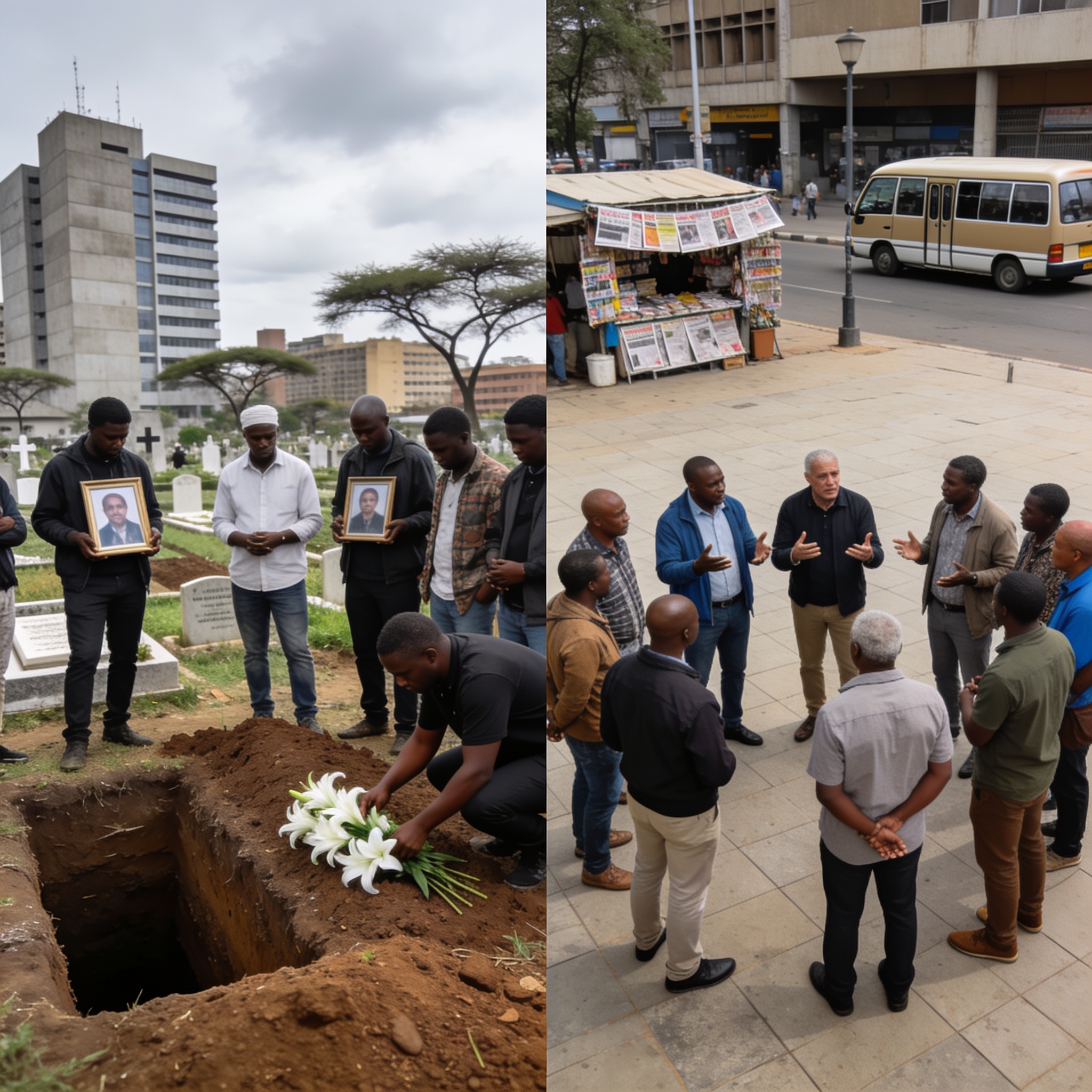
Family plans to bury Chivayo and his wife, Lucy Muteke, have turned a private tragedy into a national event. In Zimbabwe, where charitable giving, business networks and political recognition often overlap, a funeral of this profile does more than mark loss. It also becomes a moment for evaluating how public figures are remembered, honoured and politicised after death.
For many citizens, the human dimension remains central. A helicopter crash that killed passengers and crew is, first and foremost, a reminder of sudden vulnerability. The question now is whether public mourning will be allowed to remain dignified, or whether it will be consumed by the competing narratives that so often surround wealth and power.
The hero designation and its critics
President Emmerson Mnangagwa’s declaration of Chivayo as a provincial hero has sharpened the conversation around legacy and recognition. Supporters view such titles as a way of acknowledging generosity, public service and charitable visibility. Skeptics, however, worry that state symbolism may be used to elevate a complex legacy without sufficient scrutiny, particularly where donations and political associations are already debated in public.
The reaction is not simply about one individual. It reflects a broader Zimbabwean discussion about honour, accountability and whether public recognition should be measured by visible philanthropy, by transparent institutions or by sustained contribution to the common good.
Emergency services face a harder question
The crash has also renewed attention to emergency response. For prominent victims, rescue, media coverage and coordination can receive immediate national focus. The more urgent question for most Zimbabweans is whether remote communities, road corridors and under-resourced areas can expect the same level of capability when accidents happen away from major cities and elite networks.
This is where public interest shifts from tribute to policy. A high-profile death can generate national dialogue, but the real test is whether emergency systems become faster, better financed and more consistent for ordinary people. The value of the discussion depends on whether it produces practical improvement rather than symbolic concern.
Kenya claims raise the evidence stakes
The story has taken a sharper international turn after a former Kenyan deputy president linked Chivayo to serious financial and political allegations involving Kenyan officials. Those claims are far-reaching, but they remain unverified and should not be treated as established fact without evidence. Their significance for Zimbabwean readers is that the aftermath now sits between domestic politics and cross-border speculation.
Such allegations can affect public perception, but responsible discussion requires separation between confirmed events, disputed claims and political motives. In a digital environment where rumours travel quickly, that discipline matters more than ever.
What the moment reveals
Seen together, the funeral, the hero designation, the emergency response debate and the Kenyan allegations reveal how one death can become a pressure point for national expectations. People are asking how institutions protect lives, how power is remembered, how wealth relates to politics, and where evidence ends and rumour begins.
For Zimbabwe’s news audience, the most responsible conclusion is restraint. A tragedy can legitimately prompt debate about leadership, safety and transparency. But it should not be reduced to slogans, symbolic gestures or unverified claims.