Zimbabwe is embarking on a critical 90-day mission to stem the tide of domestic violence within its homes and communities. On Saturday, the Zimbabwe Gender Commission (ZGC) officially launched a national campaign focused specifically on intimate partner violence (IPV), signaling an urgent shift from reactive judicial measures to proactive community intervention.
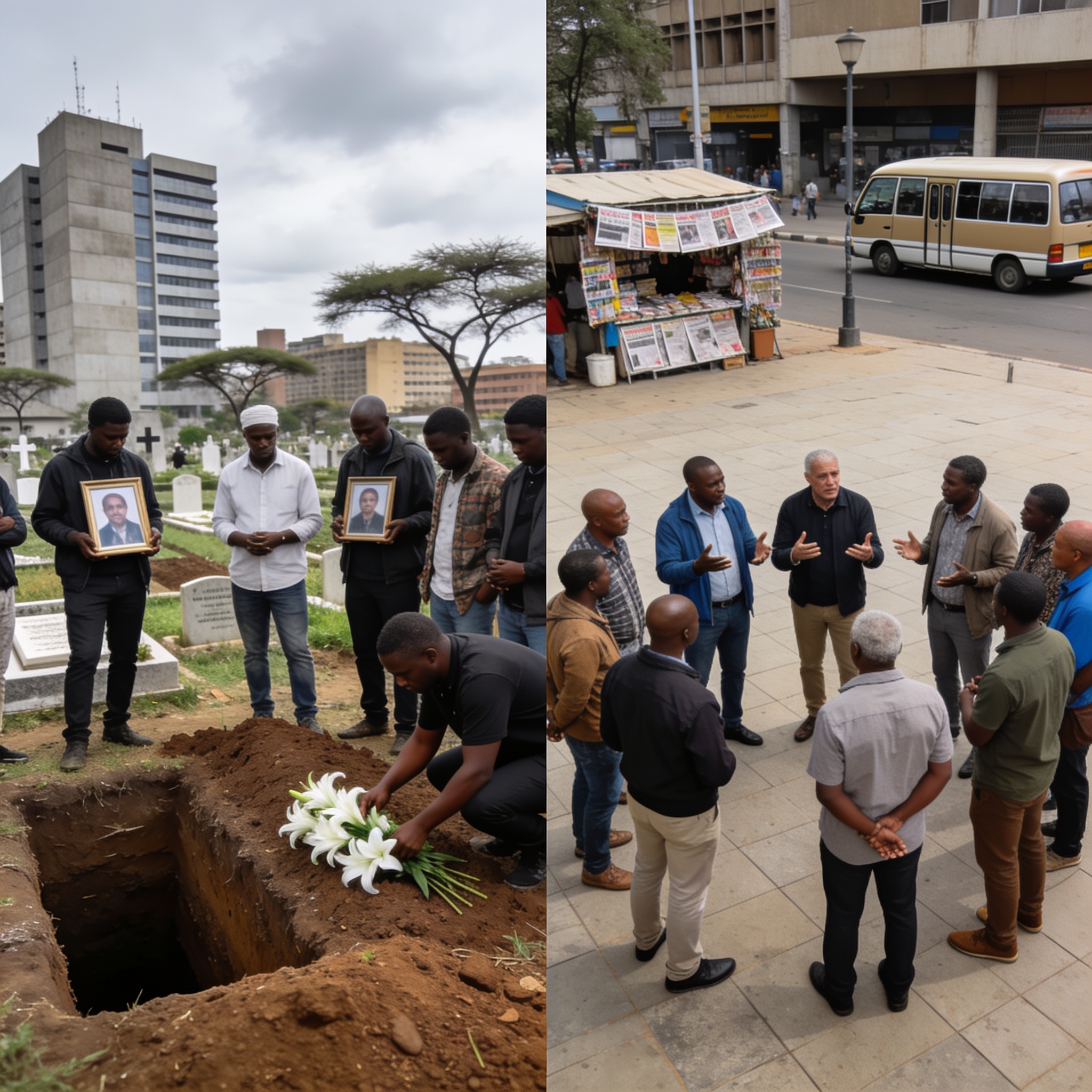
The move comes at a sensitive moment for the nation. Following the high-profile death of businessman Wicknell Chivayo in a helicopter crash that also claimed the lives of his wife and several aides, the country has been gripped by both grief and a renewed, somber focus on the safety and rights of women within domestic spheres. While the ZGC’s campaign is a standard preventive mechanism, its timing resonates deeply in a public sphere that has recently been dominated by the final arrangements and inheritance disputes of a prominent family.
A 90-Day National Mobilization
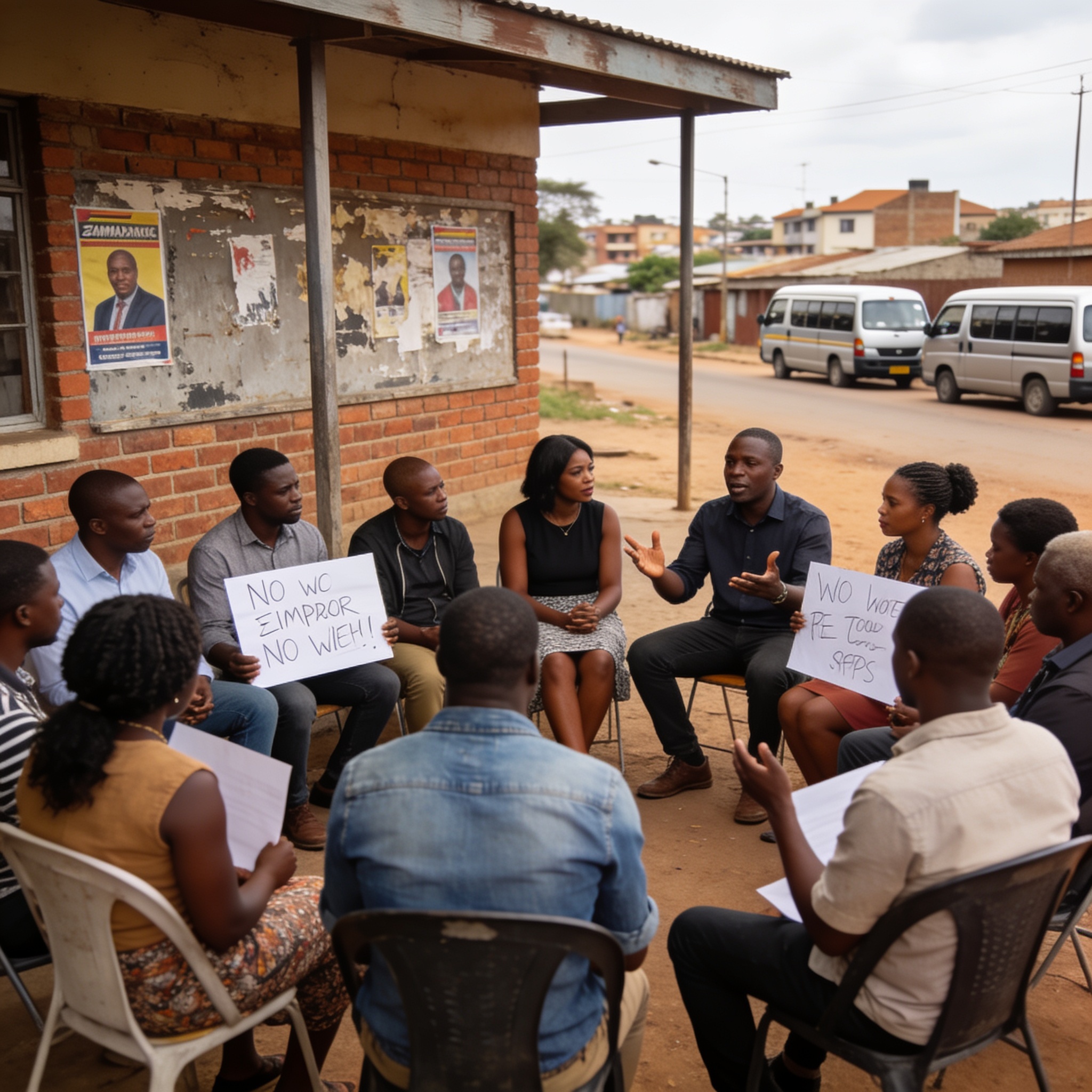
The core objective of the ZGC initiative is to tackle the rising cases of domestic disputes reported across the country. The Commission notes that IPV often stems from economic strain, social tensions, and unresolved conflicts, requiring a multi-faceted approach involving law enforcement, community leaders, and social workers. The 90-day duration represents a concentrated window to maximize outreach through media, community gatherings, and educational workshops before the holiday season, when domestic violence cases historically spike.
The campaign seeks to remind citizens that domestic violence is a crime, not a private family matter. By engaging local leaders and police stations, the ZGC aims to create a safety net for victims while fostering dialogue about respectful partnership and conflict resolution.
The Intersection of Grief and Governance
The launch coincides with a period of intense public mourning. As thousands gathered in Harare to pay their respects to the Chivayo family at Gletwyn, senior government and political figures—including Zanu PF Central Committee member Kudakwashe Tagwirei and various religious leaders—were present. In these gatherings, the theme of “protecting the inheritance of children” emerged as a focal point, with family spokesperson Herbert Chivayo appealing to President Emmerson Dambudzo Mnangagwa to intervene against potential exploitation of the late businessman’s minors.
This appeal to the Head of State reflects a broader national struggle. As families in Zimbabwe navigate loss and asset transfer, the safety of women and children is paramount. The ZGC’s campaign complements these personal family matters by ensuring that the national conversation includes the protection of those most vulnerable to abuse, regardless of socioeconomic status.
Systemic Efforts in the Background
The ZGC is not operating in isolation. Parallel efforts in the political and social spheres are reinforcing the message of citizen safety. The Zimbabwe Women’s Resource Centre and Network (ZWRCN) has recently issued a call to women across the country to participate in 2027 budget consultations. This initiative links the fight against violence to the economy, arguing that women must have a say in resource allocation for essential services such as health, sanitation, and social protection, which are critical support pillars for IPV victims.
Furthermore, law enforcement agencies are facing increased scrutiny regarding their responsiveness. In a separate development that highlights the challenges of policing in Zimbabwe, a suspect in a USA extradition case was denied bail, despite a request to Interpol for consent. While distinct from the domestic violence campaign, these events demonstrate a broader governmental effort to uphold the rule of law and manage national obligations, a task that extends significantly into the private domain of family and household.
Challenges to the Campaign
Experts caution that awareness is only the first step. Effective intervention requires funding. Many women who survive violence in Zimbabwe rely on informal social networks rather than institutional support. The success of the ZGC’s 90-day campaign will likely be measured not just by the number of events held, but by the number of referrals to shelter homes, the responsiveness of police stations, and the reduction of cases reported during this period.
As Zimbabwe navigates through this period of mourning, political mobilization, and social change, the protection of the family unit stands as a litmus test for the country’s commitment to human rights and gender equality.