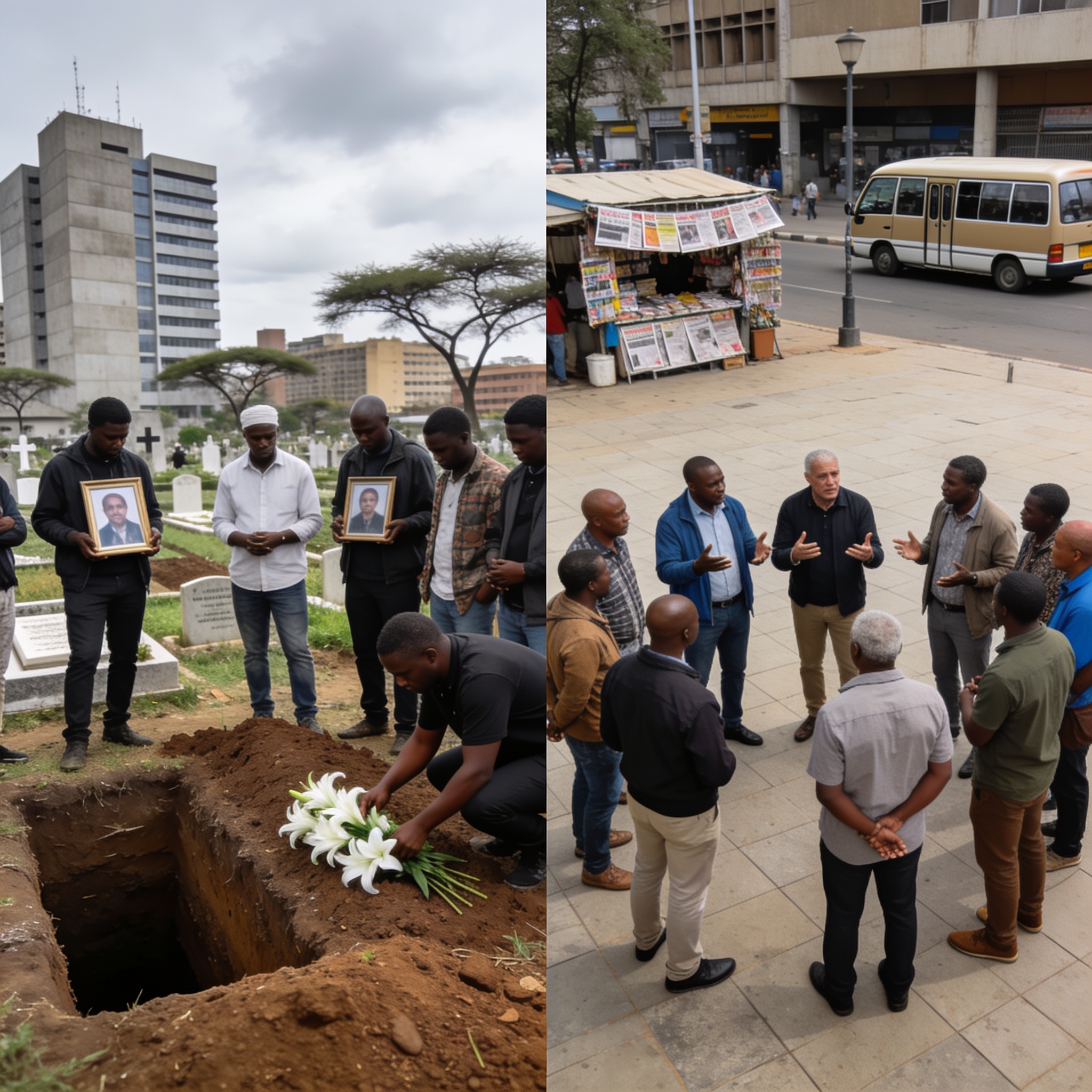
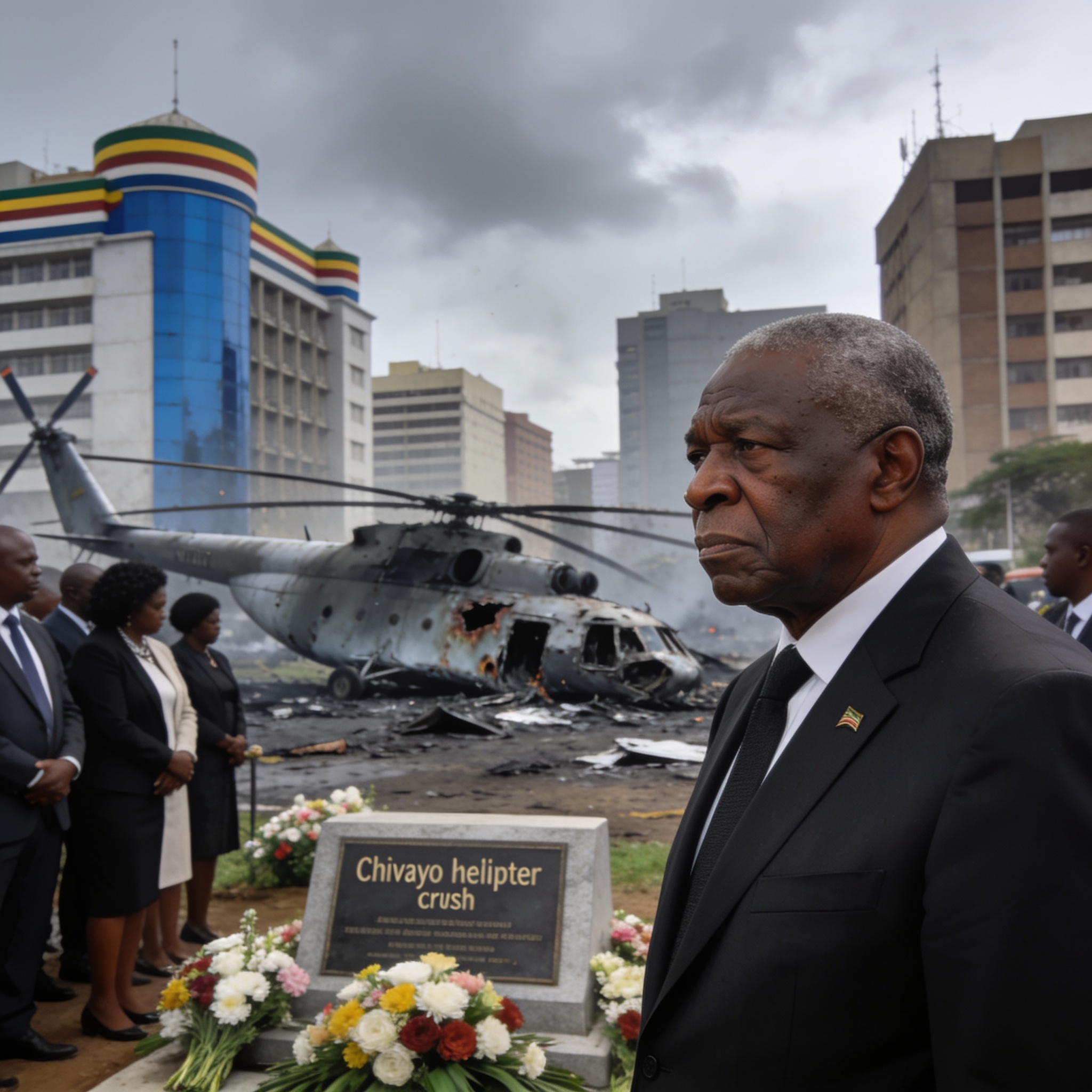
Zimbabwe entered a period of national mourning on Thursday, 1 October, after a Bell 430 helicopter went down late Wednesday afternoon in Marondera Rural, killing businessman Wicknell Chivayo, his wife Lucy Muteki, her aide Senelisiwe Magagula and two pilots. President Emmerson Mnangagwa issued a statement remembering the victims and saying he had spoken with Chivayo just a day before the tragedy.
The aircraft was returning from Gandami in Chikomba, where the Chivayo couple had been overseeing a rural home and community-building project. Authorities said recovery efforts were difficult because of the force of the impact and the fire that followed. Civil Aviation of Zimbabwe officials said initial checks pointed to fuel being released after the aircraft struck the ground, but the cause remained under investigation.
Names confirmed as investigators move
Minister Tino Machakaire publicly identified the five people on board: Wicknell Chivayo, Lucy Muteki, Senelisiwe Magagula, Captain Kelvin T. Soda and Captain Courage Mutavirwa. Police had earlier reported that six occupants were involved in the incident, and families were still waiting for the full technical picture as forensic teams worked at the site.
The loss quickly touched Zimbabwe’s cultural, sports and charity circles. Top musician Jah Prayzah postponed his wedding to Rufaro Mukombe, which had been scheduled for Saturday, 3 October. Chivayo was widely known in entertainment and civic communities for high-profile gifts, sponsorship and public acts of generosity, and the crash has prompted a wave of condolences as well as uncomfortable questions about the relationship between private wealth, influence and public accountability.
A president’s tribute amid renewed scrutiny
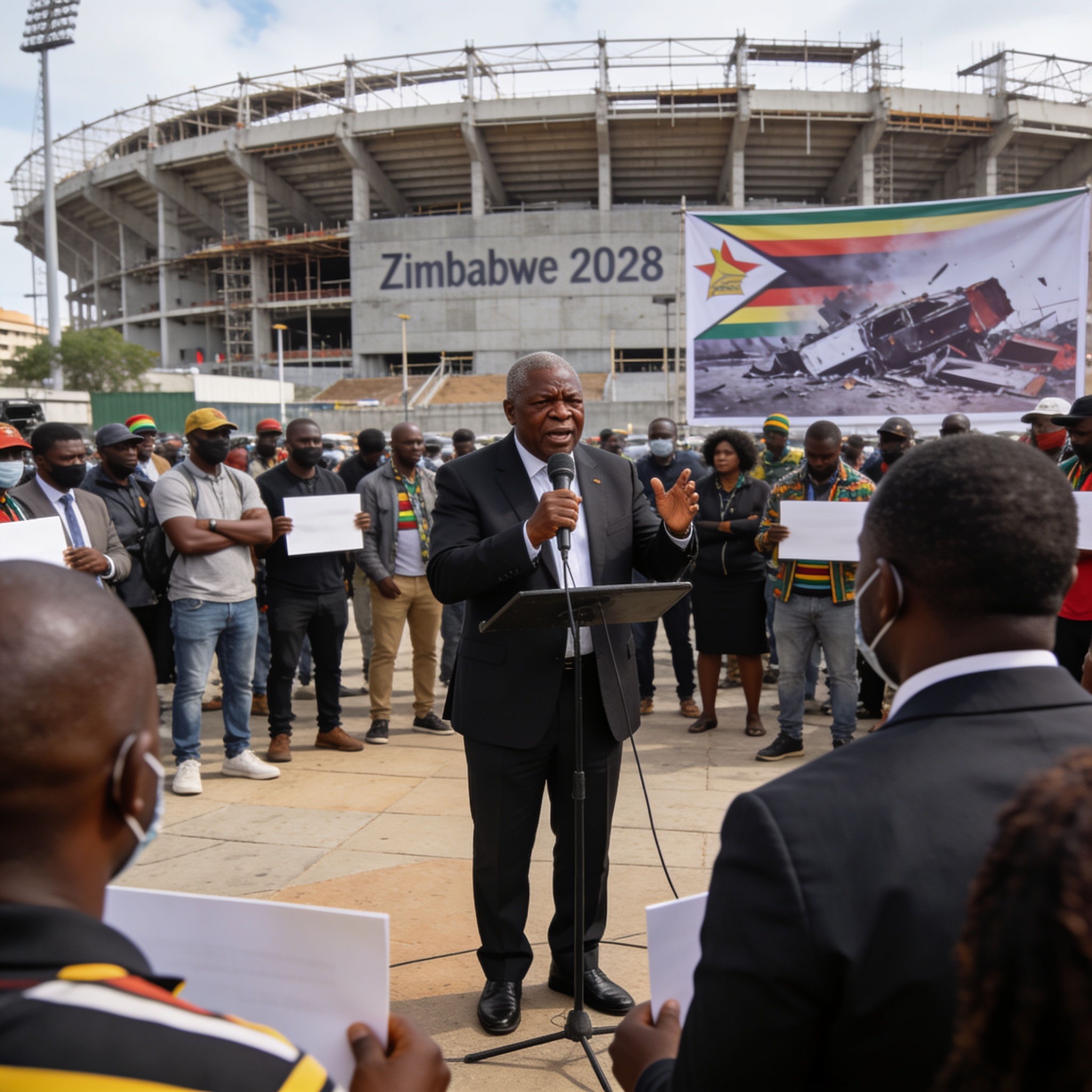
President Mnangagwa’s statement framed the deaths as a painful national loss. He remembered Chivayo as a young entrepreneur with ambitions beyond his own business, saying their conversation on Tuesday had covered development plans that fitted the government’s rural investment agenda. He also acknowledged the family’s charitable work across politics, sport, religion, culture and public life.
Yet the tribute landed in a politically charged climate. For years, Chivayo’s visibility in elite circles, his access to senior leaders and allegations around public procurement have made him a symbol for many Zimbabweans of the gap between public promises and private fortune. The crash did not resolve those debates, but it intensified them, with some citizens mourning while others used the moment to ask why accountability so often feels absent until tragedy arrives.
What comes next
- Aviation investigators will continue to examine the wreckage, flight path and weather conditions before the crash.
- Families await formal forensic identification details and guidance on burial arrangements.
- Public figures and institutions are adjusting celebrations and charitable events as the country grieves.
For now, the immediate focus is on mourning, recovery and investigation. In a country where grief, politics and social media intersect quickly, the Marondera crash may become a reference point for how Zimbabweans talk about wealth, power and the need for a system that answers questions before the next crisis forces them into public view.