Zimbabwe enters October 2026 under three connected pressures: a fatal aviation accident involving a high-profile businessman, an unresolved constitutional legal contest, and government targets for stronger growth in agriculture, mining and industry.
The Marondera helicopter crash and public reaction
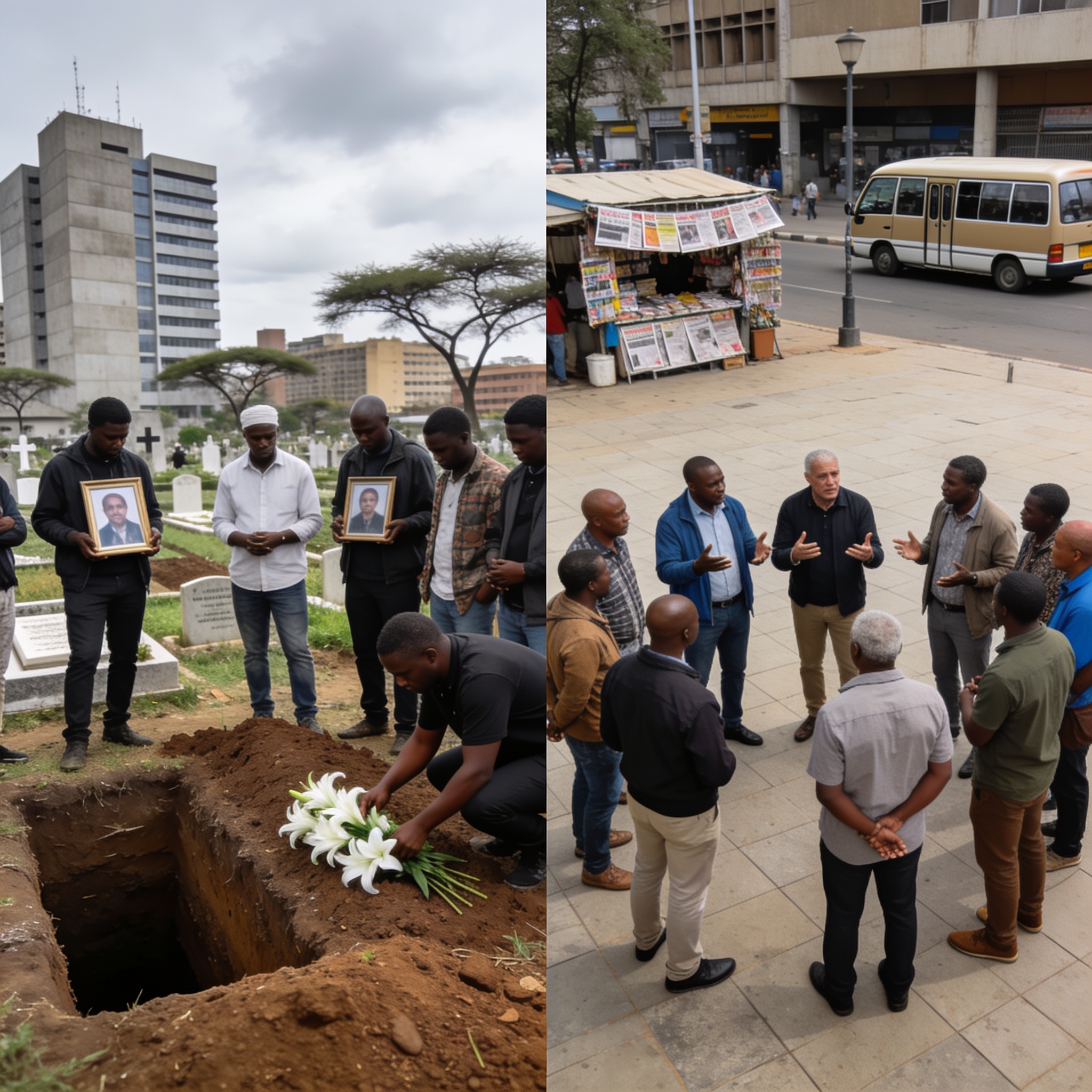
Aircraft carrying six people crashed and caught fire in rural Marondera on Wednesday evening, east of Harare. Police confirmed the incident and said further details would follow once the scene was fully attended. Reports say the victims included Wicknell Chivayo and his wife, Lucy Muteke, alongside two pilots and a security aide. The cause remains under investigation.
Chivayo was never a quiet public figure. His name has been linked to private aviation displays, large public donations, football, churches and contested state contracts. Kenyan President William Ruto said he was deeply saddened by the loss, describing Chivayo as a friend and praising his warmth, energy and belief in African opportunity.
Inside Zimbabwe, the response was split. Some expressed condolences for the human tragedy. Others used social media and conversation to question the kind of wealth that made Chivayo impossible to ignore, especially in an economy where many citizens are searching for dignity and basic services. The public mood is uncomfortable, but it is also revealing: national debate is increasingly focused on procurement accountability, donor influence and the boundaries between private fortune and public trust.
CAA3, the courts and the road to 2030
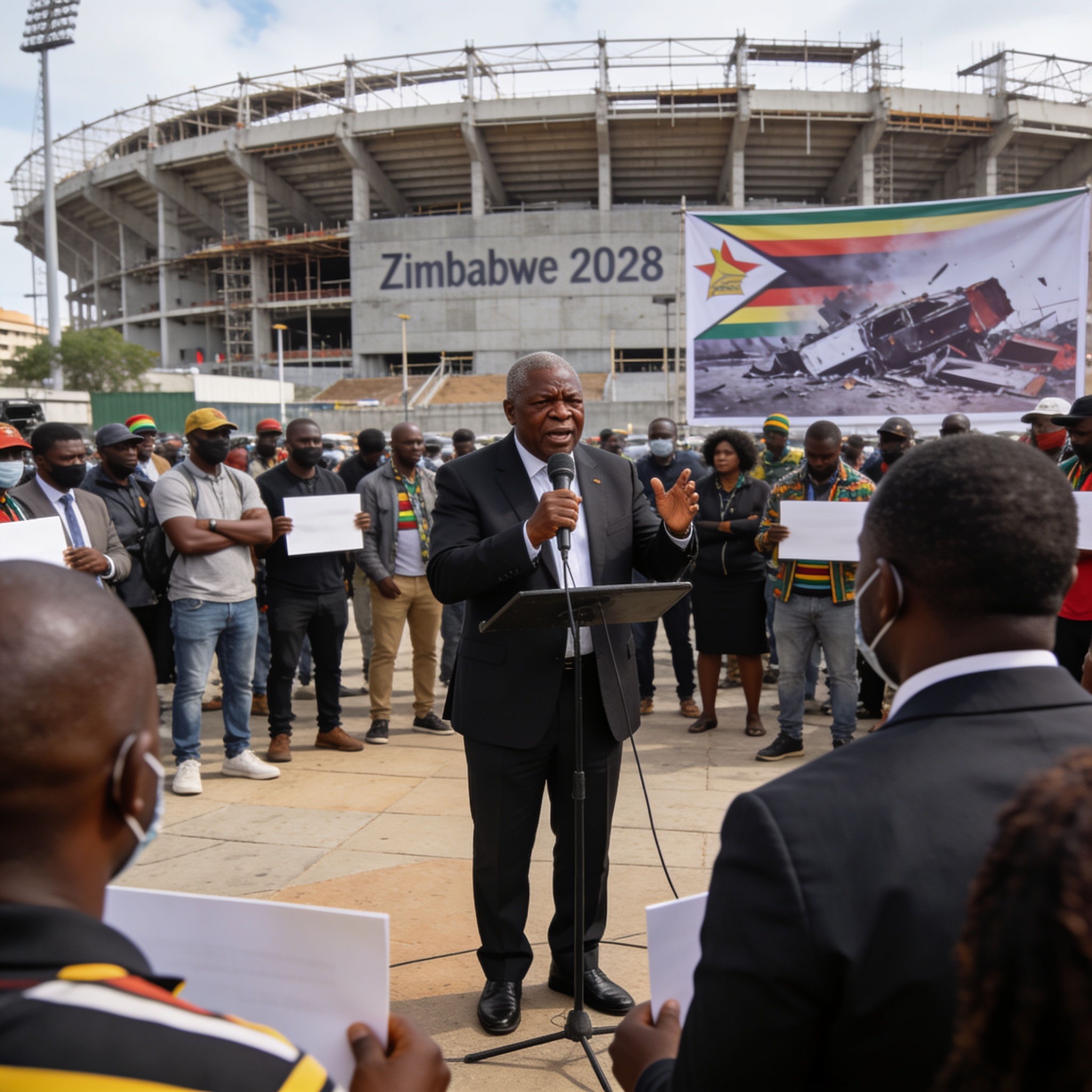
At the same time, Zimbabwe is waiting for judicial clarity on the Constitution of Zimbabwe Amendment No. 3 Act, 2026, known as CAA3. The legal framework is being tested after several challenges linked to the amendment process, including disputes over how future presidents may be chosen and whether term and electoral rules were altered without the process opponents demand.
The Constitutional Court has received related applications, including an urgent direct-access matter involving veterans and several cases removed from the roll while the court considers how to manage overlapping disputes. Constitutional law professor Lovemore Madhuku said the removal should be treated as a procedural development, not as a decision on merit. The practical effect is that the apex court now sits at the centre of Zimbabwe’s political calendar.
Government says consequential amendments are still needed. President Emmerson Mnangagwa told Parliament that the Electoral Act and Constitutional Court Act must be aligned with CAA3 and that a new Delimitation Commission Act is required. Opposition voices, including Defend the Constitution Forum representative Tendai Biti, warn that further legal changes could deepen concerns about democratic legitimacy. The central tension is simple: institutions that are meant to protect stability must not be seen as moving only when political advantage is at stake.
Growth targets meet real-world risk
Economic agencies are pushing a different story: evidence, data and productivity. Treasury challenged researchers, academics and industry leaders at the Zimbabwe Economic Development Conference to propose policies that could lift annual growth toward eight percent. The message is welcome, but Zimbabweans will measure success by prices, wages, farm harvests, mining output and household access to finance.
The 2026/27 planting season opens with mixed weather guidance. Farmers are being advised to match crops, planting dates and water-management practices with rainfall forecasts. Agriculture has been a major contributor to gross domestic product growth, which makes this season a test for both technical support and climate resilience. Above-average rain can bring early opportunity, but it can also create waterlogging, livestock losses and post-harvest risk.
Mining also carries weight. Namib Minerals secured a US$6.5 million loan facility through a local subsidiary to support surface drilling and feasibility work linked to the Redwing Mine restart. For investors and communities, the significance is not only capital access, but whether exploration, employment and community obligations are executed on time.
Sport, culture and regional news
The Zimbabwe Football Association expressed sorrow after a supporter died during a Warriors match at the National Sports Stadium, a reminder that stadium safety and crowd medical capacity remain urgent. On the field, the Young Warriors defeated Mauritius in an Under-23 match, while Zimbabwe women lost their one-day cricket series to the West Indies after a competitive run. Bulawayo Chiefs prepared for a Munhumutapa Challenge Cup quarter-final, and Mighty Warriors coach Stella Gotal faces an away assignment against Malawi.
Regionally, Botswana withdrew from the 2028 Africa Cup of Nations joint bid with Zimbabwe and South Africa, citing financial constraints. The decision leaves the remaining partners to continue with their proposal and underscores a basic truth: hosting ambitions need credible budgets, transparent procurement and reliable infrastructure, not just enthusiasm.
What readers should watch
For Zimbabwe, this week is a practical audit of public life. Readers should watch for the official crash investigation findings, the court decisions on CAA3, the details of electoral and delimitation reforms, and whether economic promises are matched by visible results. The country can honour grief, respect due process and demand accountability at the same time. What it cannot afford is confusion without consequence.