Macro easing with a still-tight leash
Zimbabwe’s central bank reduced its anchor interest rate to 27.5 percent on 29 September 2026, taking the cost of money down from 30 percent in its second reduction of the year. Governor John Mushayavanhu described the move as a measured correction toward observed price behaviour rather than a signal that the country can relax its guard on inflation and the exchange rate. The policy committee pointed to low single-digit ZiG inflation, a currency trading in a narrow band and a stronger inflow of foreign currency as reasons for the adjustment, while keeping the banking system under disciplined reserve and lending rules.
For households and firms, the cut matters only if it reaches credit markets. The committee lowered the targeted finance facility rate and capped bank on-lending to productive sectors at 22.5 percent, which suggests policymakers want money to support agriculture, industry and export activity, not speculative demand. Borrowing costs are still elevated, and the risk outlook is not idle: global tensions, fuel prices and forecast El Niño weather during the 2026 and 2027 agricultural seasons could all feed into food and input prices.
Trade figures keep mining at the centre
August trade data strengthened that cautious picture. The surplus widened to US$526.5 million as exports rose while imports were almost flat. Semi-processed gold accounted for a large share of shipments, while mineral fuels and oils remained the biggest import pressure. The United Arab Emirates, China and South Africa dominated buyer routes, and South Africa, China, Bahrain and Mozambique dominated supply sources. The numbers confirm that external accounts are moving more favourably, especially with gold receipts and diaspora money lifting foreign-currency buffers.
Yet the larger industrial question remains. The contest over platinum is not only about output along the Great Dyke; it is about whether value added, jobs, power, skills and local processing move with the minerals. A US$1.5 billion ambition for more meaningful platinum value capture is welcome, but it depends on beneficiation capacity, infrastructure and regulatory certainty. The trade surplus may stabilise the macro picture, while the platinum and gold chains decide whether stabilisation becomes broad growth.
Bulawayo looks for a zone-driven reset
In Bulawayo, voices from local government are pushing for free-zone mechanisms as a way to restore the city’s industrial role. Rather than relying on generic industrial slogans, the argument is that carefully designed zones could concentrate infrastructure commitments, customs facilitation and investor assurances in a way that ordinary zoning cannot. That is a practical framing. If such zones are to succeed, they must solve power reliability, water access, land tenure and labour transport, and they must offer transparent rules that do not collapse into rent-seeking. For a city with old machinery, skilled workers and a large informal repair sector, targeted zones may be more credible than broad promises.
CAA3 moves from politics to procedural warfare
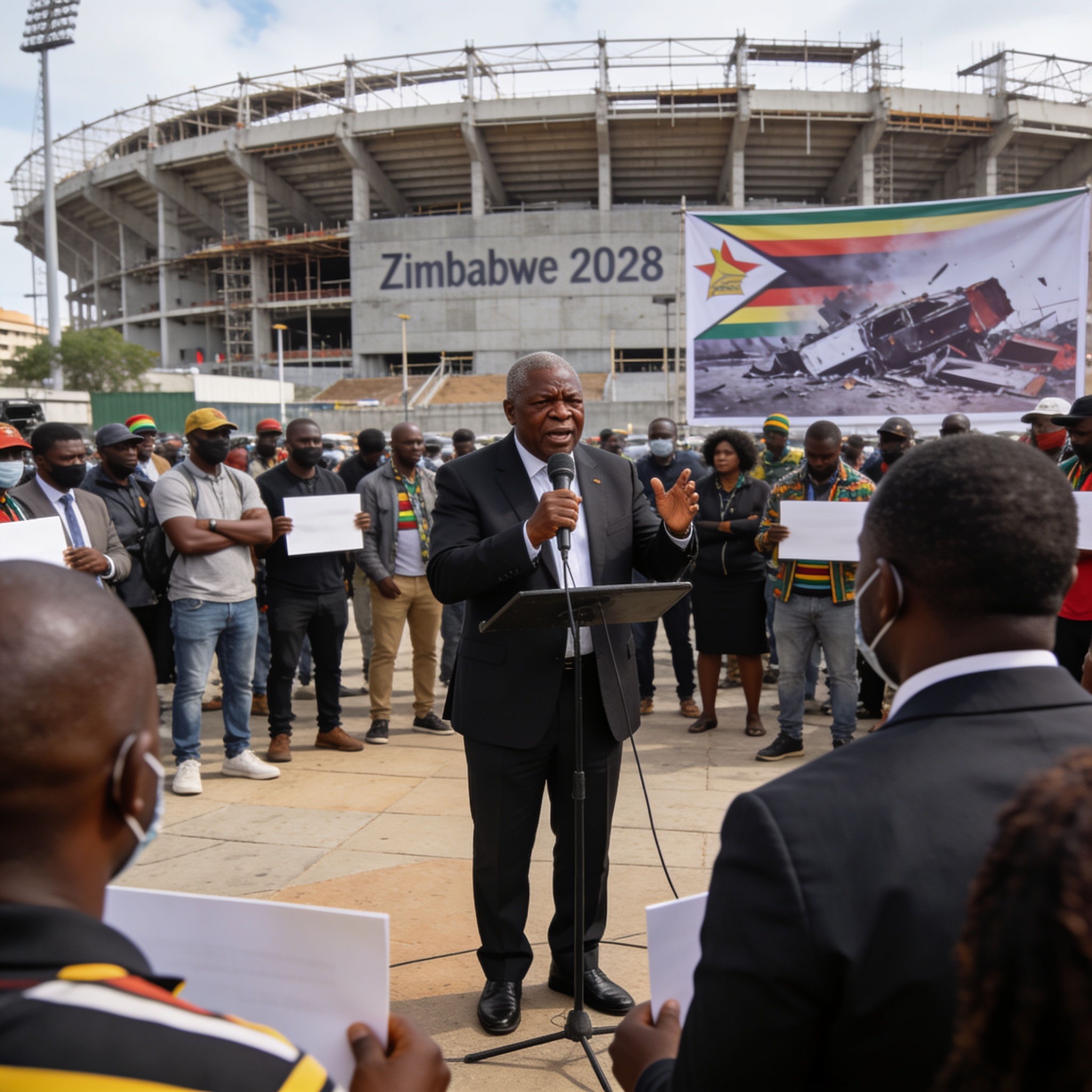
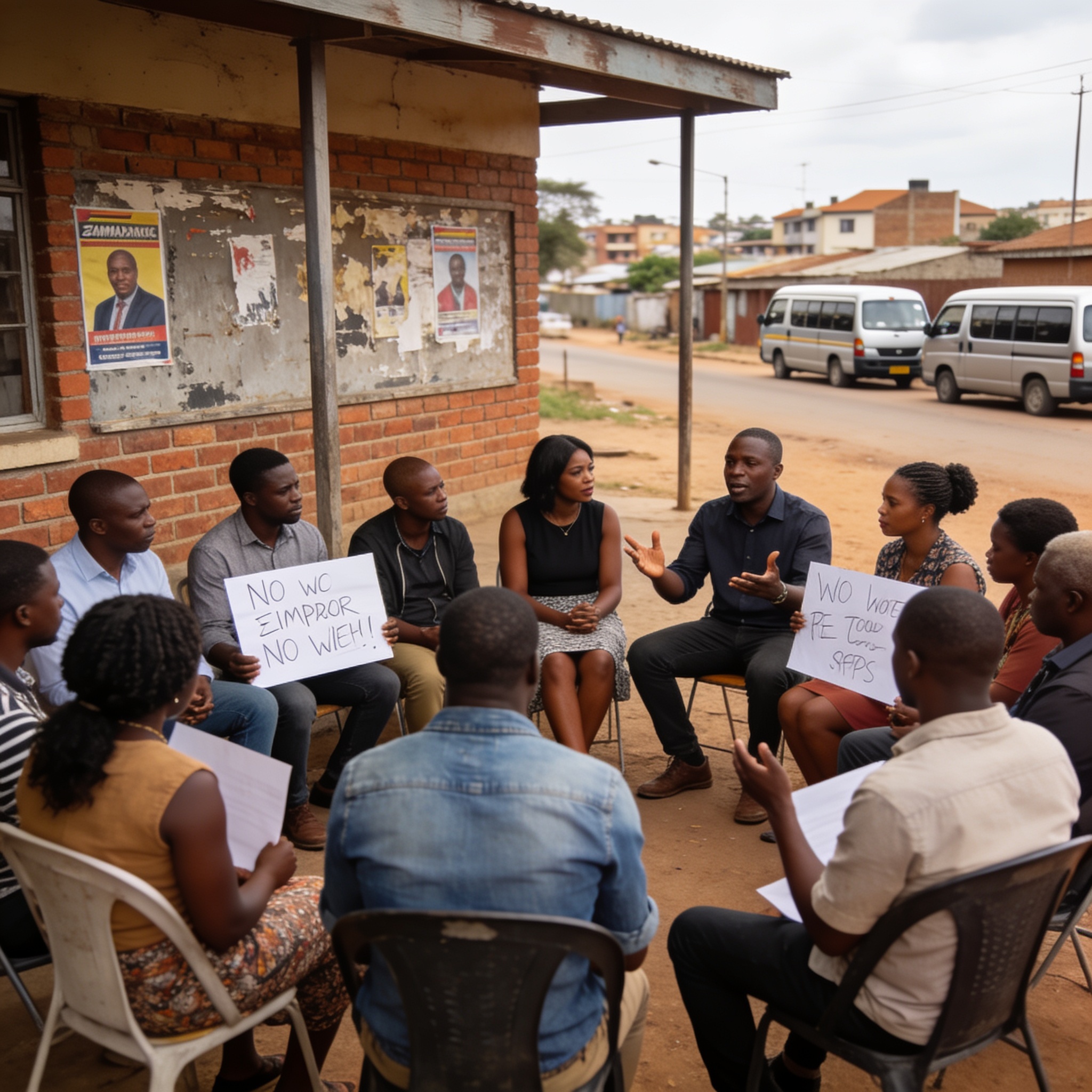
The legal argument over Constitution Amendment No. 3 has shifted into a fight over who gets to decide the issue and when. At the Constitutional Court, six war veterans are asking for direct access to challenge the amendment. The state is not engaging the core merits yet; it is asking whether the application belongs before the High Court first. The amendment, as described in the dispute, could move presidential selection away from direct voting toward a joint sitting of Parliament and lengthen the presidential term from five to seven years. Opponents say that effectively curtails a constitutional right to vote for the president and should require a referendum.
The judges are first examining a gatekeeping question. If direct access is refused, the challenge could travel down to another court level and add months to the political timeline. If it is allowed, the court may reach the deeper question: whether Parliament can alter presidential election architecture and term length without a public mandate. Because war veteran plaintiffs and opposition-linked filings view CAA3 through different lenses, the procedural ruling will not end the argument. It will only shape where the fight continues and how fast it approaches the next party and electoral calendar.
Stadium tragedy exposes crowd-control gaps
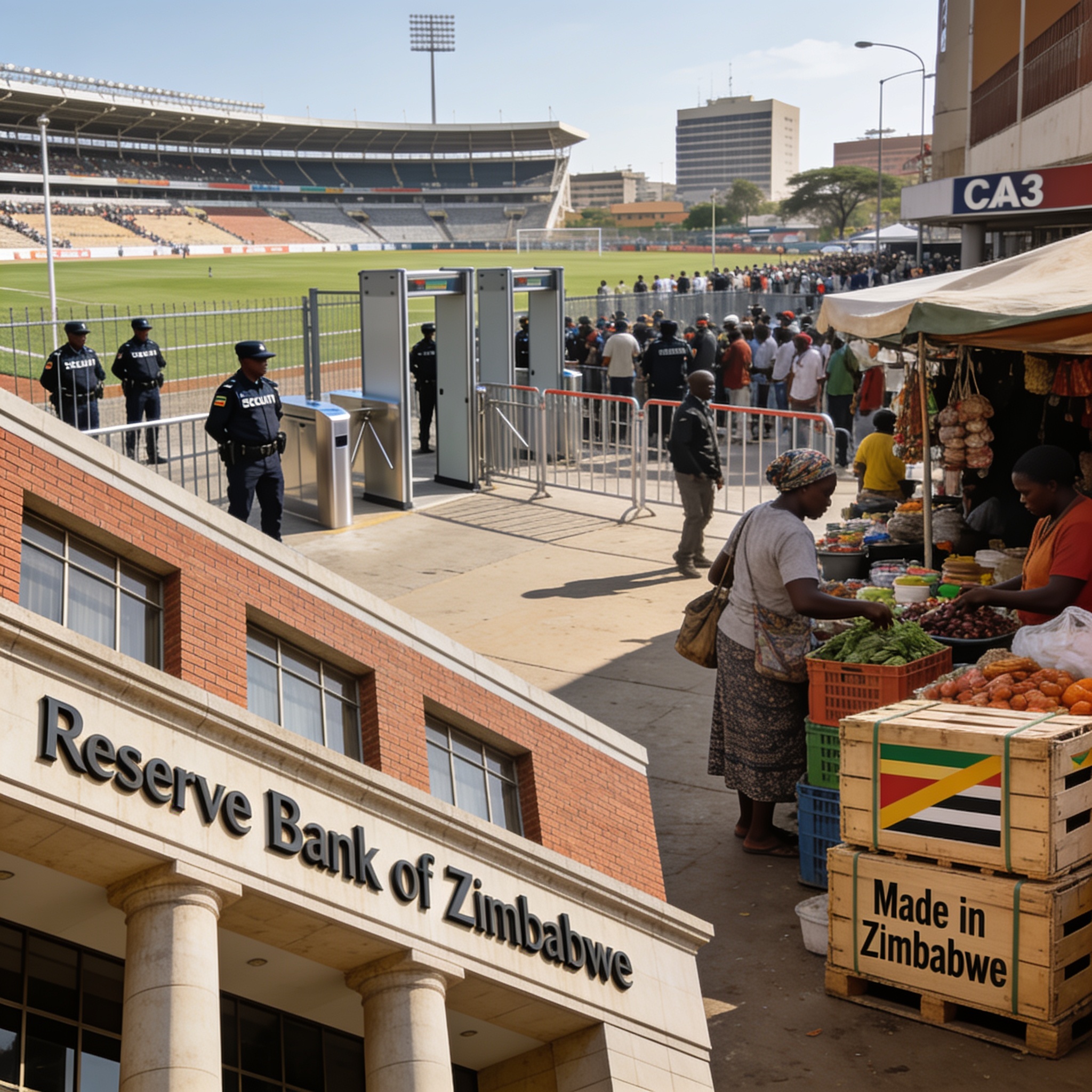
A supporter died at the National Sports Stadium on Monday after a crowd-control vehicle ran over a person near Gate 2 before an Africa Cup of Nations qualifier against the Democratic Republic of Congo. Police said the incident occurred during a stampede and that investigations were underway. The fixture carried extra visibility because it marked the return of major international football to the renovated venue, and tens of thousands of ticketed fans were expected. Early descriptions of congestion at entrances suggest that ticketing, gate management and crowd-flow planning were tested under pressure.
The match result, a defeat after conceding two first-half goals, is now secondary. The safety question is what matters. Stadiums are civic spaces, and high-profile events are supposed to showcase recovery, organisation and public confidence. When water-cannon-equipped vehicles are used near bottlenecks, the operational logic must be clear: protect people, prevent compression, manage access and create safe evacuation routes. An independent public report should identify not only responsibility but the reforms needed before the next national fixture.
Awards, accountability and everyday institutions
The day’s other stories also show the human layer beneath macro headlines. A Masvingo entrepreneur behind an agricultural-input distribution business received an award recognising excellence in agribusiness entrepreneurship at a women in business gathering. The recognition points to the quiet importance of rural supply chains: seed, fertiliser, agrochemicals, poultry inputs and trusted retail networks help translate national agricultural ambitions into household reality. Awards should not distract from the bigger task of scaling access and jobs, but they can spotlight where local enterprise is working.
In Harare, a High Court judge refused bail to a man convicted and sentenced to an effective twenty years for sexually assaulting two boys aged nine and twelve. The ruling stressed that release after conviction is not automatic and that serious cases involving children must balance appeal prospects, flight risk and public confidence. It also reminded readers that legal systems are tested by how they protect minors, how they hear credible child testimony and how they make consequences visible. Justice in such cases is not a political slogan; it is a measure of whether institutions can safeguard the most vulnerable.
The thread for Zimbabwe
The September 2026 news cycle shows a country negotiating more than one timeline at once. Monetary policy is easing from a very tight base but remains tethered to inflation, exchange-rate stability and credit discipline. Trade figures are improving because of minerals and foreign-currency inflows, while platinum and gold remain central to value-addition policy. The CAA3 dispute is not only a legal test but a political mechanism for deciding future presidential selection and term limits. The stadium incident shows that public safety cannot be improvised during high-visibility sport. Business recognition and child-protection rulings remind readers that institutions matter most when they support livelihoods and human dignity.
For News Zimbabwe readers, the practical takeaway is this: the macro data are encouraging, but the quality of growth will be judged by whether credit reaches producers, whether special zones become real industrial capacity, whether constitutional changes are settled through legitimate public consent, and whether citizens can gather safely and hold institutions accountable.