Readers tracking Zimbabwe’s national agenda on 29 September 2026 are seeing a clear pattern: the country’s growth story now depends less on natural wealth alone and more on whether transport, mining, water, municipal services and public safety can be managed responsibly.
The day’s major threads include a court challenge over Lake Kariba ferry capacity, renewed interest in platinum value addition, cross-border water infrastructure talks with South Africa, sharper criticism of local-government priorities, and lingering questions after a fatal crowd incident at the National Sports Stadium.
Kariba ferry case raises basic transport rights
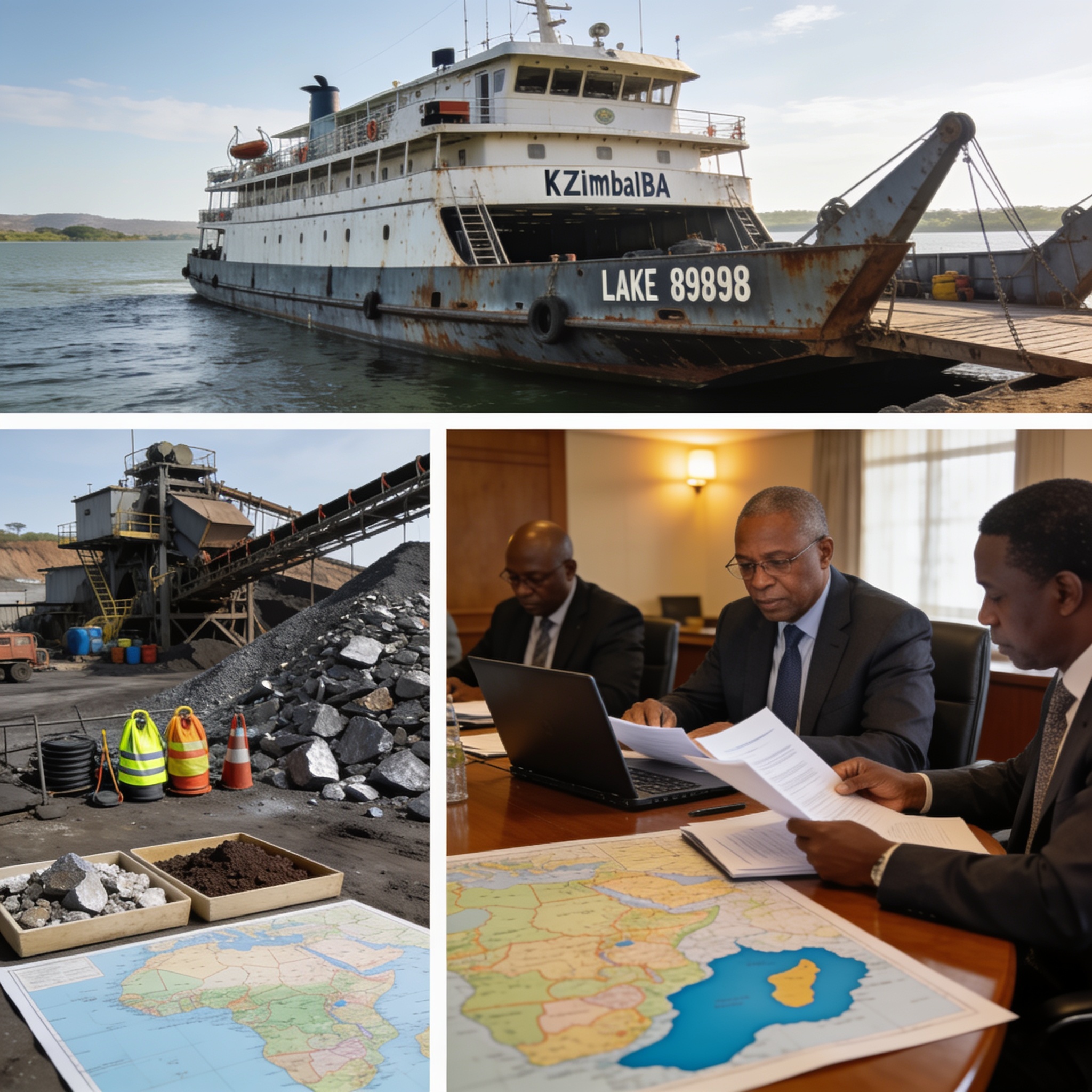
Two residents from communities linked to Lake Kariba have gone to the High Court to press for adequate and safe ferry services after the tragic Mbuya Nehanda disaster. Their application argues that the government’s response has not restored the level of transport capacity needed by families, traders, fishermen and rural passengers who depend on the route for daily life.
The core issue is not simply one vessel. It is whether Zimbabwe can replace a long-used public transport link with safe, affordable and reliable service, rather than leave communities reliant on a small privately run boat or costly road routes. The applicants say the current arrangement may force desperate travellers to overload available craft, increasing risk. They frame the challenge around constitutional rights to movement and dignity.
For Zimbabwe, the case is a practical test of how post-disaster governance works. A government that fails to replace essential ferries after a national tragedy invites wider scepticism about procurement, safety standards and rural connectivity.
Platinum value addition is becoming the real prize
Zimbabwe’s platinum story is moving upward from geology to industry. Recent discussion around a roughly US$1.5bn drive to capture downstream value reflects a desire to earn more from refining, processing, skills, local suppliers and compliance standards instead of remaining dependent on raw export margins.
That shift is important because mineral wealth alone does not create resilient economies. The value comes when mines connect to services, construction, transport, logistics and training. It also depends on payment systems that work. When sub-contractors in infrastructure and mining-adjacent sectors are paid late, project costs rise, small firms struggle and confidence erodes.
The government’s renewed attention to silicosis in mining communities also shows why social safeguards matter. A platinum-led industrial strategy will only be credible if worker health, environmental compliance and transparent contracting are strengthened alongside output targets.
Cross-border water talks link development and diplomacy
Water is now becoming a foreign-policy instrument for Zimbabwe and South Africa. Talks over a proposed dam of roughly US$500m show how the two neighbours may use shared infrastructure to support industrial zones, reduce water stress and create new revenue streams.
The scheme would place a major water asset on the Zimbabwean side while supplying demand in South Africa’s Limpopo province. If it advances, it could signal a more mature relationship: one built on feasibility studies, long-term purchase contracts and cross-border engineering cooperation.
But the risks are significant. Large water projects can become politically sensitive if host communities feel that their own access is weakened while an export corridor receives priority. Zimbabwe will need enforceable terms on environmental protection, local supply, pricing, contract stability and benefit sharing. South Africa will need assurance that supply can survive climate shocks and long-term political risk.
Local councils face a credibility test
Inside Zimbabwe, local-government messaging is becoming more direct. Senior officials have warned councils to stop treating liquor venues as economic planning priorities, arguing that some communities now appear over-licensed in bottle stores and beerhalls while lacking productive facilities, services and investment.
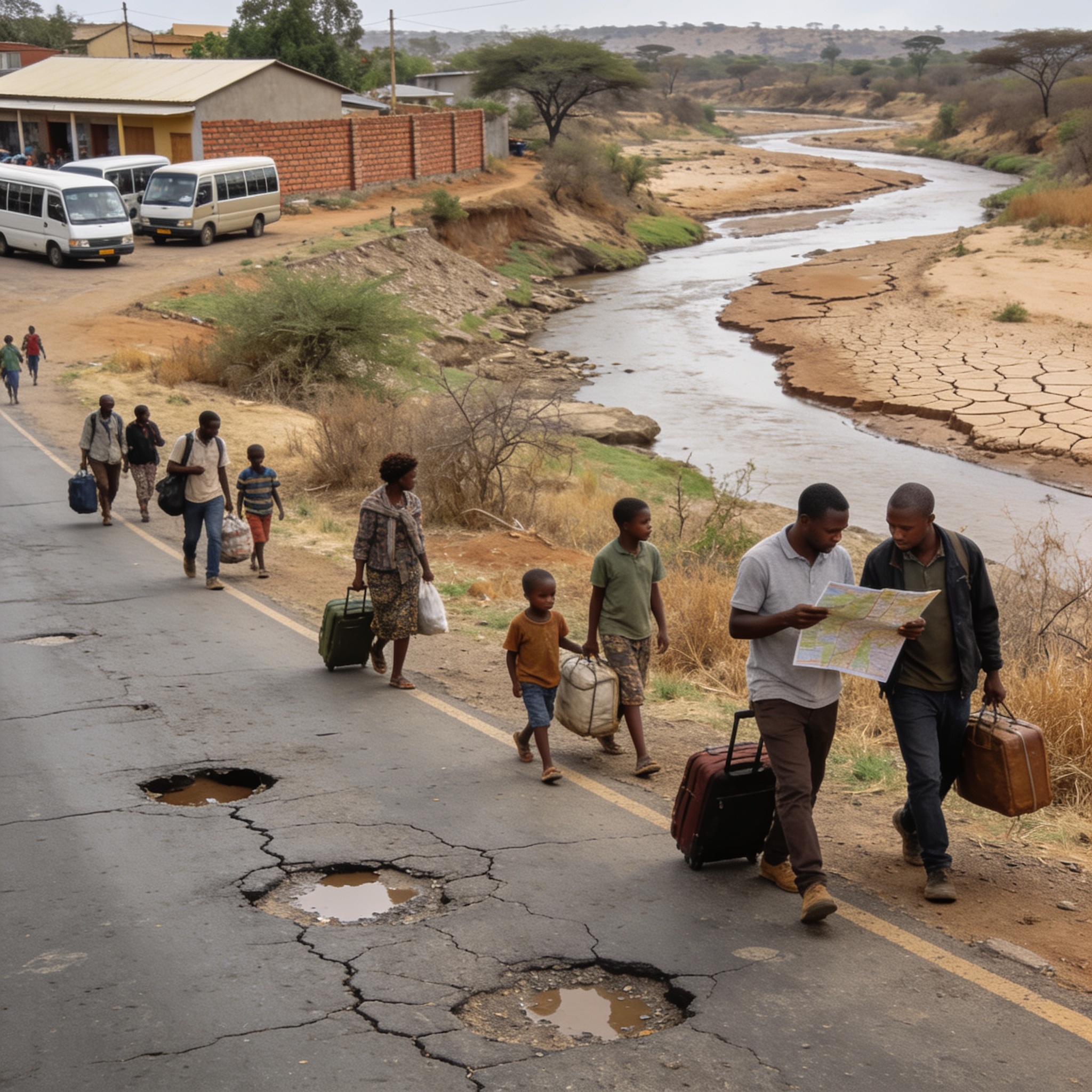
That criticism lands alongside everyday complaints from residents about unsafe footbridges, distant bus ranks, mosquito problems, weak public toilets and rising costs for housing and transport. Citizens want councils that can fix drains, keep water flowing, collect refuse, protect public spaces and license businesses that create jobs rather than only consumption.
The dispute over unpaid government bills adds another layer. If central departments delay payments, councils lose revenue and may be tempted to push charges onto residents or investors. The challenge is to build a municipal system where performance targets are matched by fiscal discipline from all public institutions.
Stadium safety and public trust
Questions over crowd management remain urgent after a fatal incident at the National Sports Stadium during a Warriors fixture. Public venues need clear entry control, safer gates, predictable policing and emergency response plans that are tested before large matches.
The incident also sits within a broader national conversation about sport as social glue. Zimbabwe has seen positive momentum in long-distance running, boxing administration and youth engagement, but major events carry responsibility. If citizens cannot trust that stadiums and ferries will keep them safe, policy announcements lose credibility.
What to watch next
The Kariba ferry application will move attention back to court proceedings and interim service delivery. Platinum investors will watch whether the country turns raw reserves into measurable refining capacity and supplier linkages. The water talks will be judged by whether feasibility work produces a deal that strengthens both countries without weakening local communities.
For Zimbabwe, the unifying lesson is simple: governance is now the value chain. A country can have platinum, water, tourism, agriculture and sport, but the real prize is whether institutions can deliver them safely, fairly and consistently.