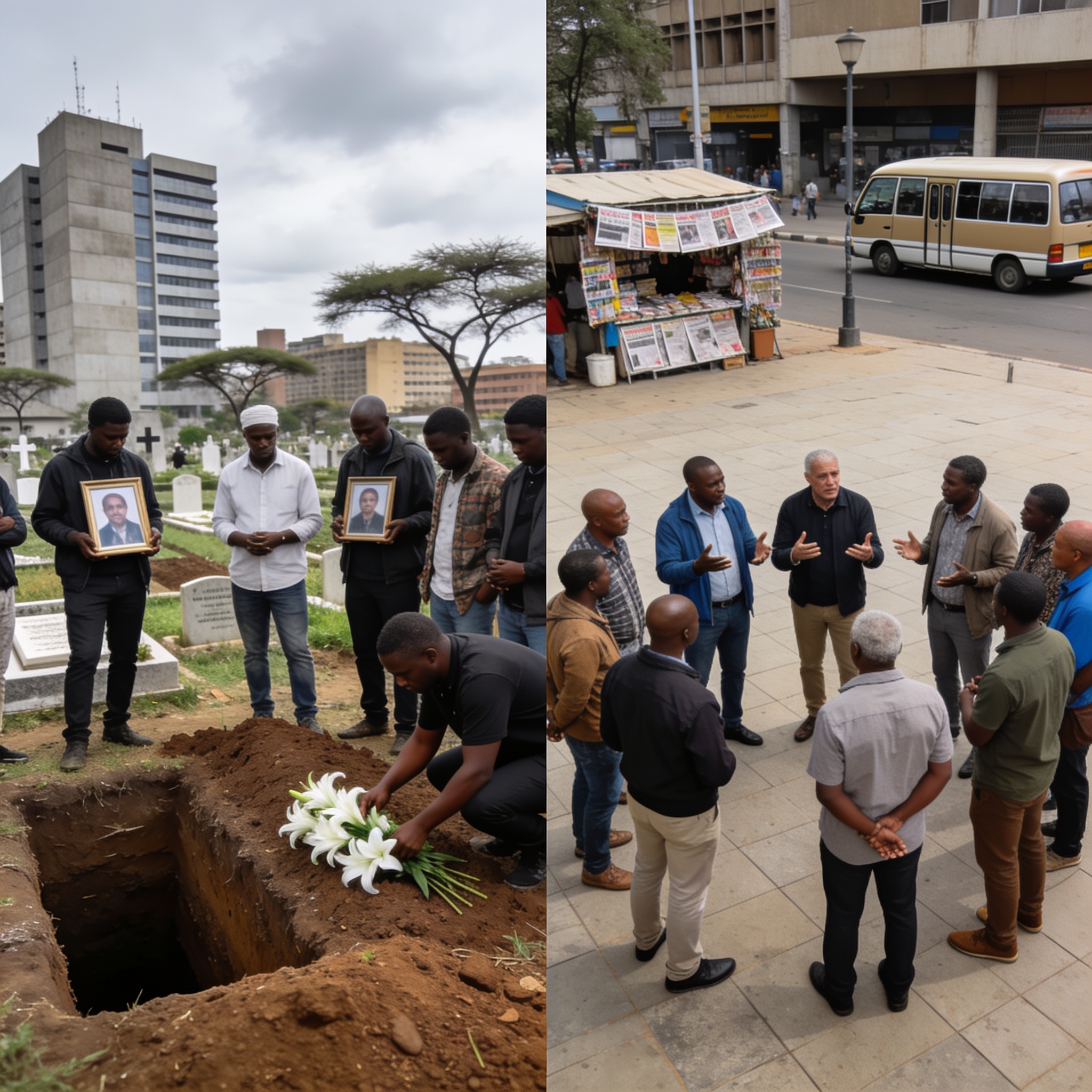
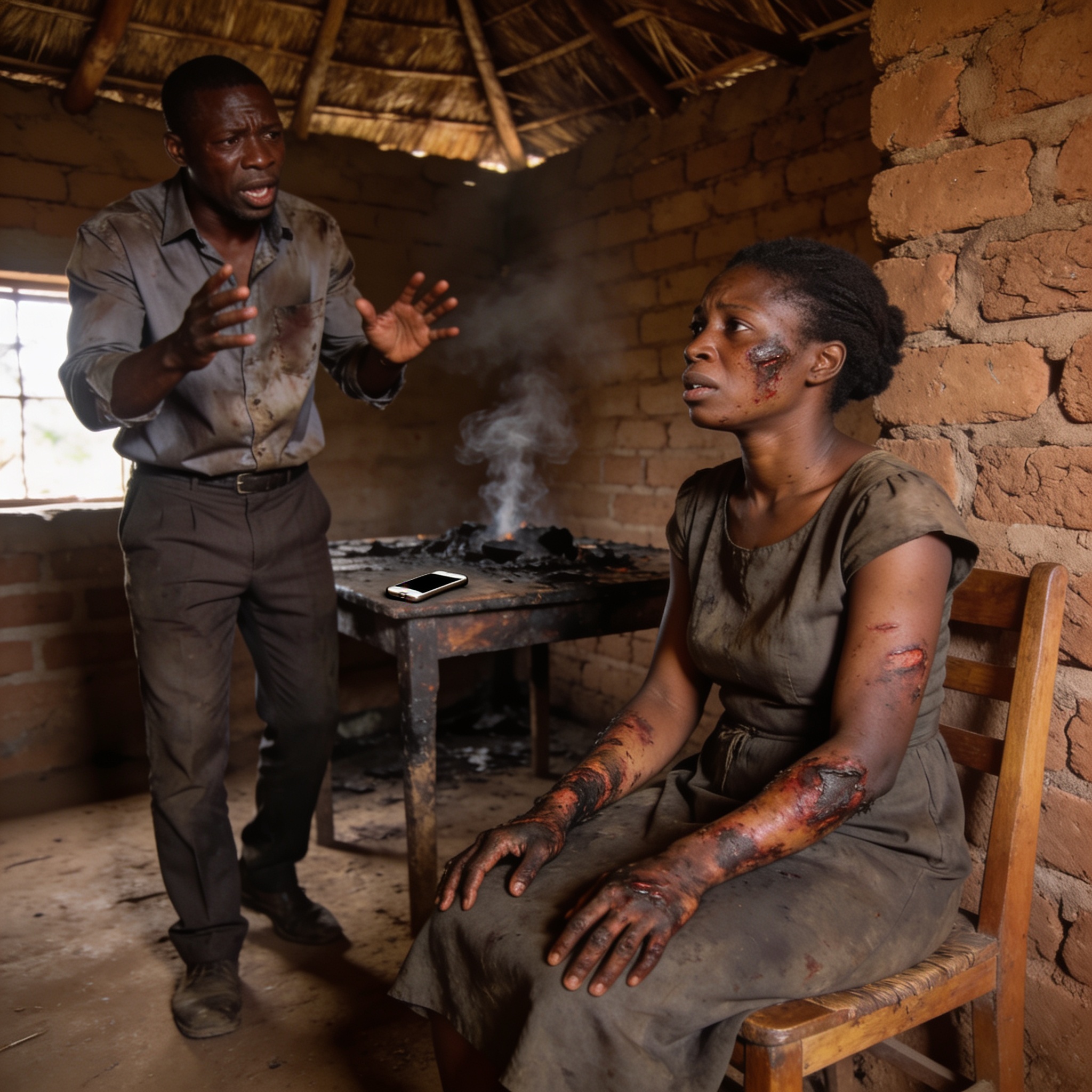
A community in Tsholotsho, Matabeleland North, has been left reeling after a man allegedly trapped his wife and several of her relatives inside a room and set the property on fire, killing his spouse and leaving a family shattered by grief and shock.
The suspect is said to have attempted to take his own life shortly after the attack, in what police are treating as a domestic dispute that spiralled into extreme violence.
What happened in Tsholotsho
According to accounts emerging from the district, the man allegedly locked his wife and her family members inside a room before setting the building alight. The woman is reported to have suffered severe burns and died as a result of her injuries.
The scale of the attack — a single act that engulfed an entire household — has stunned residents, who described the family as previously unremarkable and the violence as sudden and catastrophic.
A dispute that turned deadly
Investigators are reportedly working on the theory that the attack was triggered by a dispute over messages exchanged on WhatsApp, the messaging platform used by millions of Zimbabweans every day.
The case adds to a growing pattern in which digital communication — private chats, screenshots and mobile phone evidence — becomes the flashpoint in already fragile relationships. In many such disputes, suspicions are aired publicly or relayed to relatives before anyone intervenes, leaving little room for de-escalation.
Police investigations under way
The Zimbabwe Republic Police is investigating the case, and the suspect is expected to face serious charges connected to the death of his wife once investigations are complete. The names of those involved have not been released to allow the family space to mourn and to protect surviving relatives.
Under Zimbabwean law, deliberately setting fire to an occupied dwelling and causing death can attract charges of murder or attempted murder, and the Domestic Violence Act provides additional protection for victims of abuse within the home.
The wider picture on domestic violence
Zimbabwe has long grappled with gender-based violence, with incidents frequently reported in rural and peri-urban districts where reporting pathways are limited, distances to police stations are long and communities are bound by close social ties.
Advocates have repeatedly argued that lethal attacks are rarely sudden. They point to warning signs — threats, property destruction, isolation, escalating control — that often precede the worst outcomes, and they urge relatives, neighbours and church leaders to treat such signals as emergencies rather than private matters.
They also stress that leaving an abusive relationship is the most dangerous period for a victim, which makes coordinated police, social welfare and shelter support critical.
Where survivors can find help
Victims of domestic abuse in Zimbabwe can approach the Zimbabwe Republic Police’s Victim Friendly Unit, which operates at stations across the country, or seek counselling and legal assistance through the Ministry of Women’s Affairs, Community, Small and Medium Enterprises Development and civil society organisations working on gender-based violence.
Community leaders, village heads and church groups also play a frontline role in referring cases before they turn fatal.
What happens next
The Tsholotsho case is expected to move through the courts, where investigators will rely on forensic evidence, witness statements and the accounts of survivors who were inside the house when it went up in flames.
For now, the district is mourning — and asking a familiar, painful question about how a disagreement over a few messages could end in a funeral.