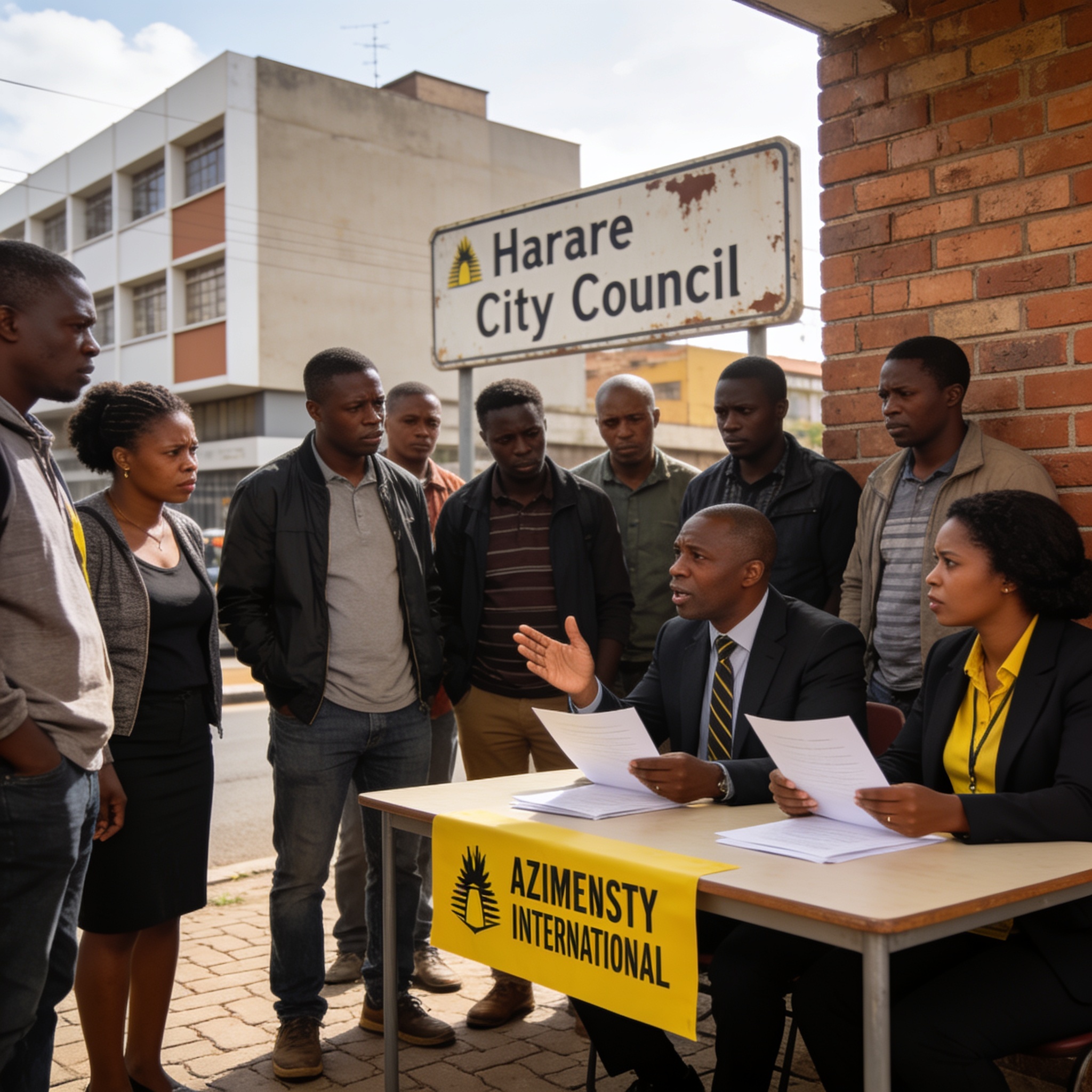
Amnesty International has issued a strong call to Russia to immediately stop the recruitment of foreign nationals into its military and to investigate allegations of trafficking, deception, and coercion. The human rights organization’s report, released on September 10, 2026, documents how individuals from low-income countries, including Zimbabwe, have been lured with promises of civilian employment before being pressured into military service.
The report, titled “Russia: Trafficking of Foreign Nationals to Fight in Ukraine,” details how recruitment networks use deceptive job offers, high salaries, and even promises of Russian citizenship to attract vulnerable people. Many recruits find themselves facing military contracts and deployment to the frontline, often with limited training and confiscated documents.
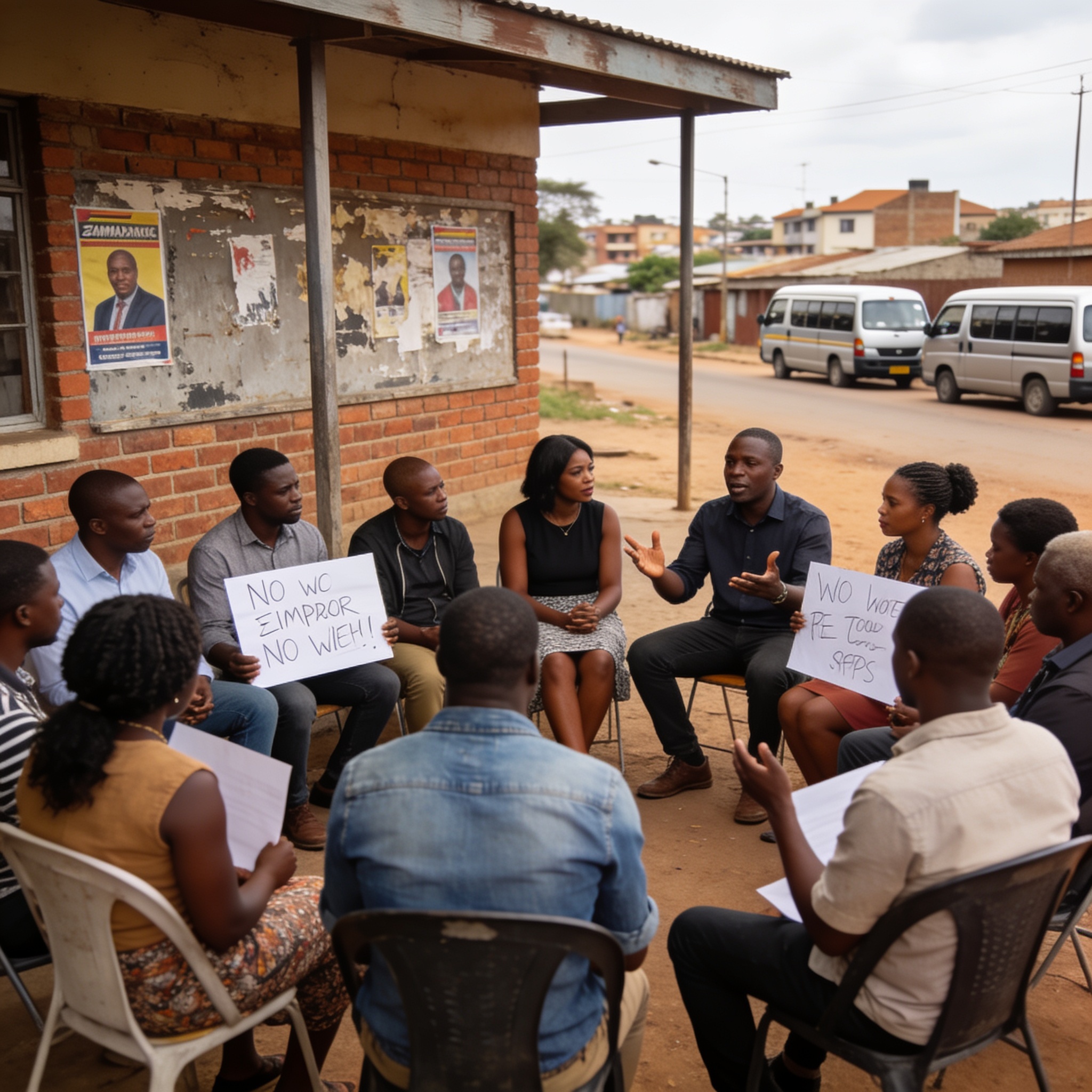
Amnesty’s recommendations extend beyond Russia. It urges governments whose citizens are at risk—such as Zimbabwe—to issue clear warnings about fraudulent recruitment schemes, strengthen oversight of recruitment agencies, and provide consular assistance to affected nationals and their families. The organization also calls for investigations and prosecutions of individuals and networks involved in human trafficking and coercive recruitment.
The urgency of these recommendations was underscored by Ukrainian President Volodymyr Zelensky’s address to the United Nations General Assembly on September 23. Zelensky named Zimbabwe among 47 countries whose citizens have been recruited into Russian military units. “You know what Russia is doing with your people, your citizens. Take care of them,” he said, accusing Russia of using financial incentives, deception, and trafficking networks to bolster its forces.
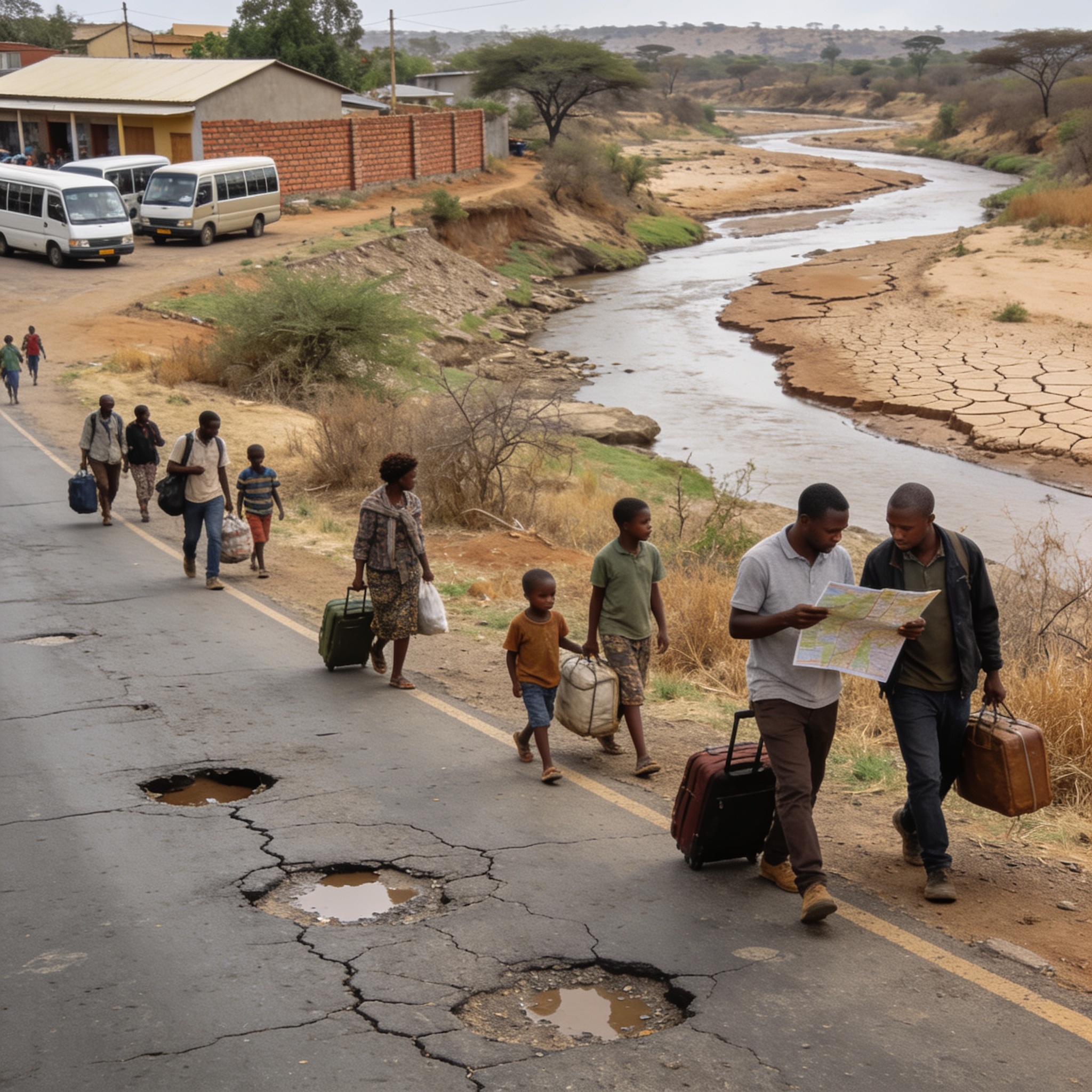
Zelensky’s remarks brought international attention to a problem that Zimbabwean investigative outlet CITE has been documenting for months. CITE found that prospective recruits were approached through WhatsApp, Facebook, and Telegram with offers of jobs such as firefighting and truck driving, often with lucrative salaries. Some later discovered they were expected to sign military contracts. The outlet also reported that not all Zimbabweans were deceived, with some joining voluntarily.
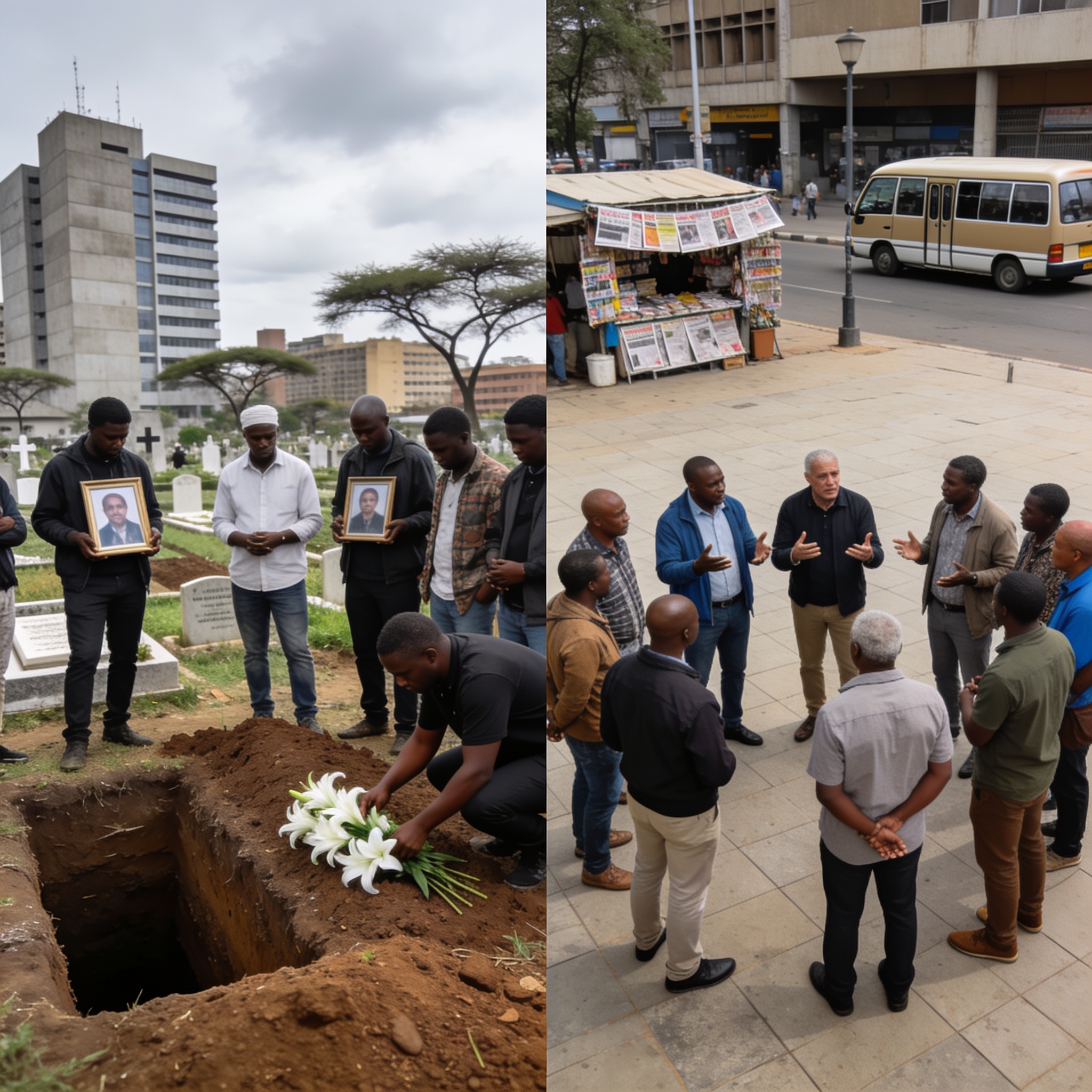
The consequences have been severe for families. CITE reported on Zimbabweans killed or missing in Ukraine, and the struggles their relatives face in obtaining information or repatriating remains. Suspected recruiters have been arrested in Zimbabwe, but questions remain about the government’s response.
The United Nations Independent International Commission of Inquiry on Ukraine is also investigating the recruitment of foreign nationals. In a statement this week, the commission said many recruits did not understand the Russian contracts they signed, and that some died shortly after reaching the frontlines. It noted that families were often left thousands of kilometers away, trying to find out what happened to their loved ones.
Amnesty International’s recommendations for Zimbabwe include issuing public warnings about deceptive recruitment, regulating recruitment agencies and online platforms, providing consular protection, and facilitating the safe return and reintegration of victims. The organization also calls for identifying individuals recruited through deception as potential victims of human trafficking, rather than treating them as willing participants.
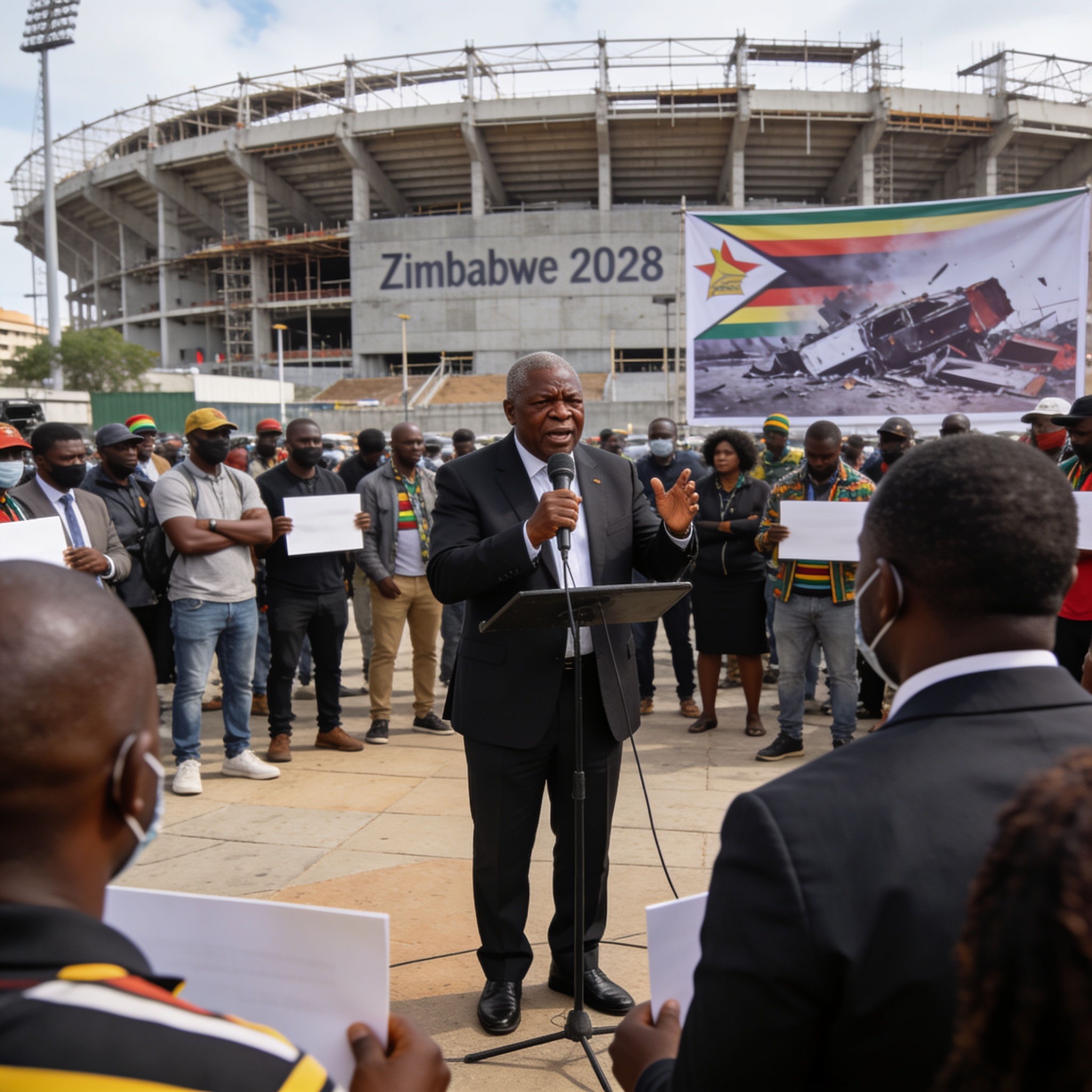
As the international pressure mounts, Zimbabwe faces a critical test: whether it will take decisive action to protect its citizens from exploitative recruitment networks and support those already affected by the conflict in Ukraine.