Zimbabwe’s newly gazetted Munhumutapa Day has reopened a sharp argument about how the country interprets its pre-colonial past, after a senior minister told a public gathering that the holiday’s date matching President Emmerson Mnangagwa’s birthday was nothing more than coincidence.
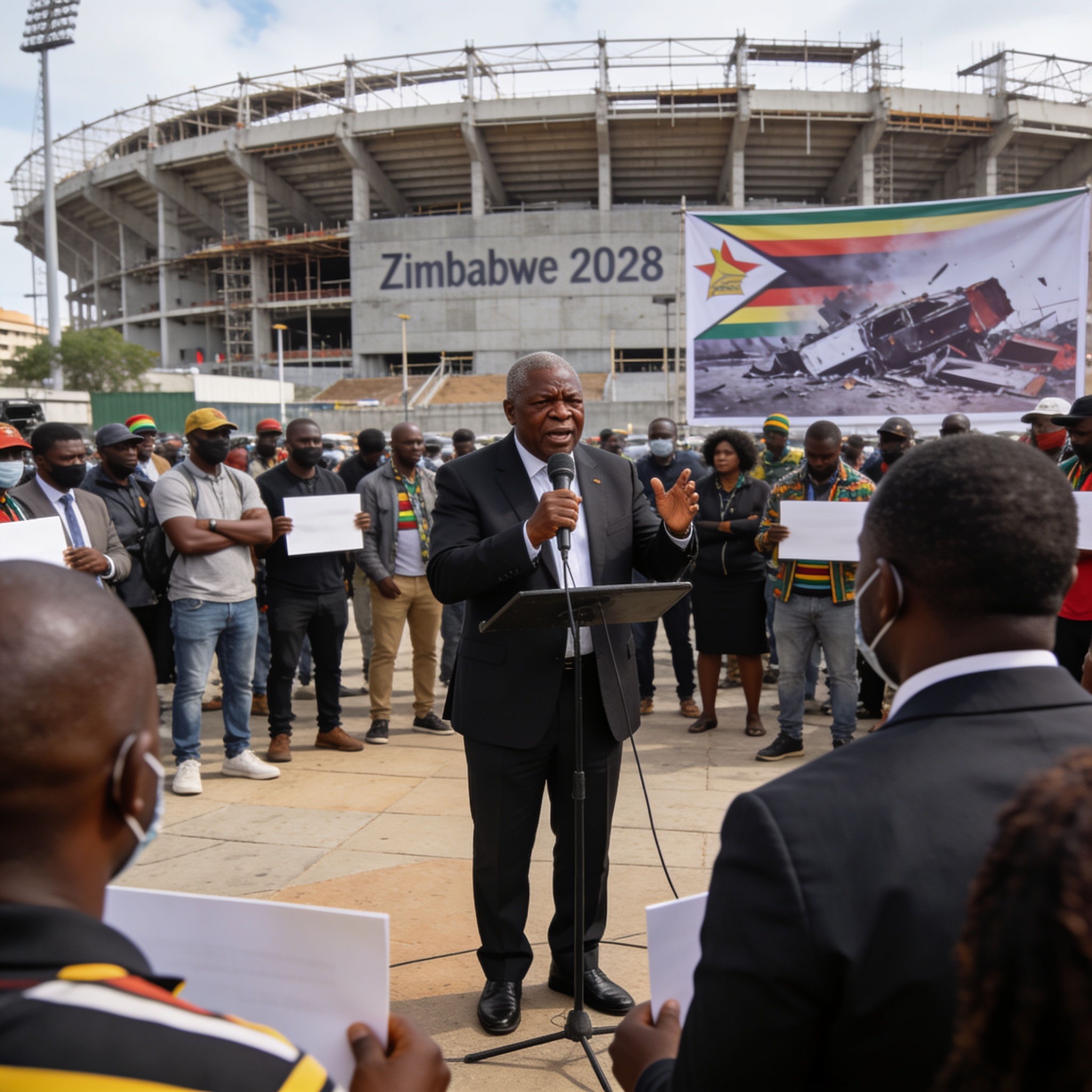
The holiday, which was marked on 15 September, was created through Statutory Instrument 148 of 2026, signed by the President. It was celebrated at an event at Pricabe Farm attended by Cabinet ministers, traditional leaders and ruling party officials.
How the holiday came into being
Lands, Agriculture, Fisheries, Water and Rural Development Minister Anxious Masuka used the occasion to insist that the alignment between the new public holiday and the President’s birthday had not been engineered. That explanation has not travelled well.
Commentators have pointed out that nothing in the calendar, in astronomy or in the documented history of the Munhumutapa state tied the day to 15 September before the instrument was issued. As one critic put it, coincidence requires a calendar mark that exists independently of the person who benefits from it — the way a child may happen to be born on Christmas Day — rather than a target drawn around a dart after it has landed.
The chronology problem at the heart of the row
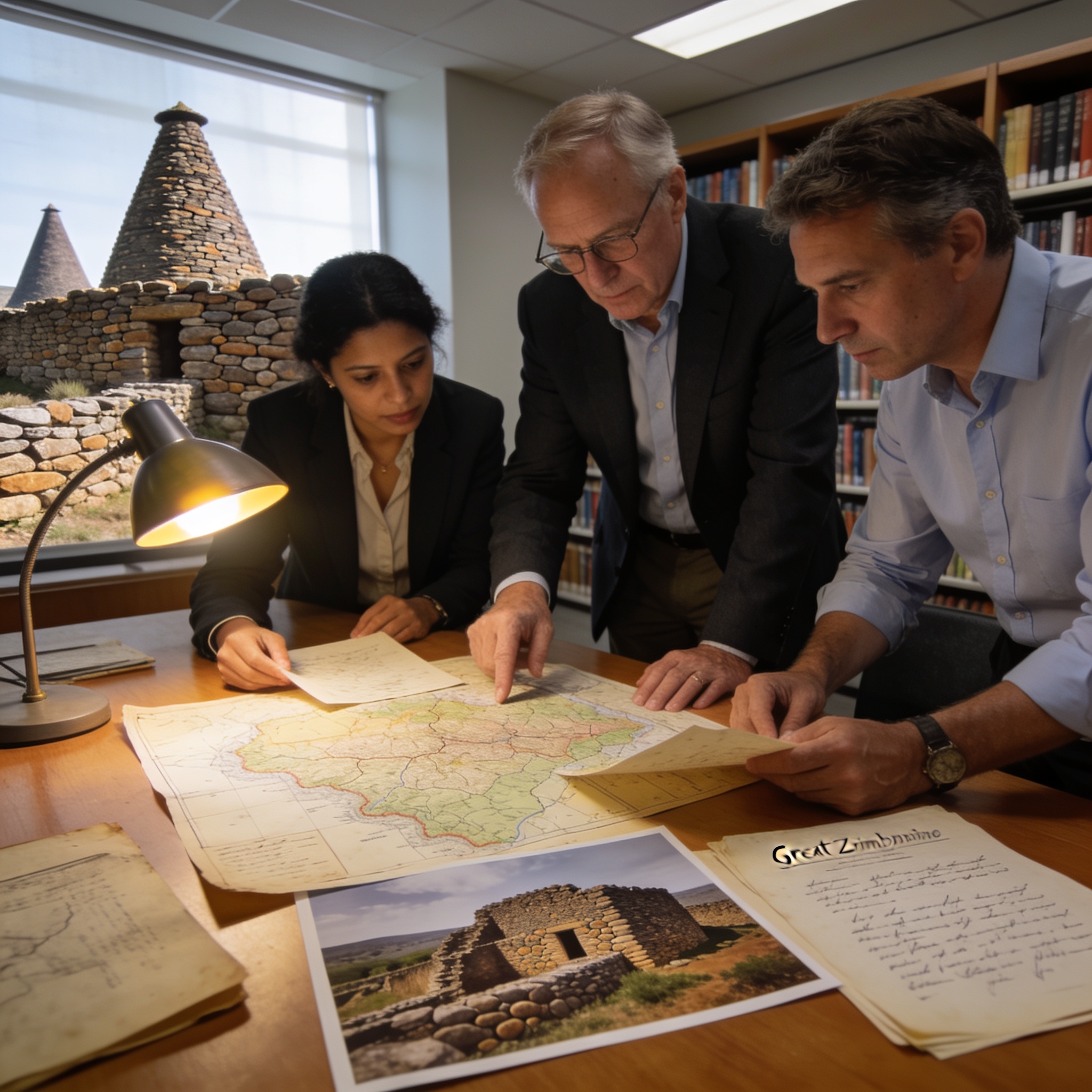
The controversy does not end with the date. At an address connected to the new holiday, Zanu-PF Youth League leader John Paradza asserted that the Mutapa Empire was responsible for constructing Great Zimbabwe.
Archaeological and historical timelines make that a difficult claim to sustain. Great Zimbabwe reached its architectural and commercial peak between the 11th and 14th centuries, when it was a major centre of stone masonry, long-distance trade and cattle pastoralism. The Mutapa state only emerged around 1430, by which time Great Zimbabwe was already sliding into decline and gradual abandonment.
According to the established account, the founder of the Mutapa state, Nyatsimba Mutota, moved northwards towards the Dande and Zambezi Valley in search of salt and new trade routes as conditions at Great Zimbabwe came under environmental and demographic strain. His followers did not find an empty territory: the polity that became the Munhumutapa Empire was assembled through negotiation and assimilation with northern communities, including the Tavara and local spirit mediums whose religious authority helped legitimise the new rulers.
Collapsing two distinct civilisations into a single narrative, critics argue, flattens the diversity of the societies that shaped the region and attributes to one era the achievements of another.
Dates the empire actually left behind
If the intention is genuinely to honour the Munhumutapa Empire, commentators say the historical record offers better options than 15 September. Portuguese archives document a major uprising led by Munhumutapa Kapararidze in August 1631, as well as 14 November 1693, when Munhumutapa Nyakunembire and Changamire Dombo overran Dambarare and drove out foreign traders.
Either of those dates, the argument goes, would anchor the holiday in the empire’s own documented history rather than in the personal calendar of a sitting leader.
Heritage, legitimacy and a wider political backdrop
The dispute lands in a crowded political field. It comes amid heightened jostling inside the ruling party and continuing debate over constitutional amendments, including talk of extending presidential terms — a conversation that has already prompted warnings that the country is being prepared for a fresh leadership extension.
Within that context, the holiday has been read by critics as an attempt to borrow the prestige of a pre-colonial state to bolster a modern presidency facing an economic crisis marked by inflation, mounting debt, unreliable public services and widespread unemployment. Wrapping a struggling administration in the symbolism of ancient kings, they say, does not put medicine in hospitals or food on family tables.
Others caution against reducing the Munhumutapa Empire to a political prop in the first place. The empire was defined by sophisticated statecraft, regional trade networks and resistance to foreign encroachment — a history that deserves to be studied on its own terms rather than recruited into contemporary partisan battles.
What happens next
Munhumutapa Day is now part of the national calendar, and the government shows no sign of retreating from it. But the row it has generated is unlikely to fade quietly. Heritage disputes in Zimbabwe have a long afterlife, and this one touches on questions the public cares about deeply: who gets to write the national story, and whether that story is being told to inform citizens or to legitimise those who govern them.
For now, historians, commentators and ordinary Zimbabweans are left debating a deceptively simple question — whether a public holiday should commemorate the past as it happened, or the past as it is useful.