Zimbabwe’s urban centres are witnessing heightened tension as authorities press ahead with demolitions of informal structures and evictions of street vendors. The government has given informal traders until 9 September 2026 to vacate undesignated trading sites, a move that has drawn sharp criticism from opposition figures and social justice advocates.
Alice Nyamande, president of the Action Democratic Movement (ADM), condemned the order, stating that the government cannot clean up the streets by cleaning out the poor. Her remarks reflect growing anger among informal traders, many of whom rely on street vending as their only source of income.
Social commentator Tendai Ruben Mbofana linked the current crackdown to political manipulation, suggesting that citizens who once supported ruling party initiatives in exchange for small favours—such as food handouts or temporary vending spots—are now being discarded. He argued that the loss of electoral leverage has left ordinary Zimbabweans vulnerable to the very authorities that once tolerated their presence.
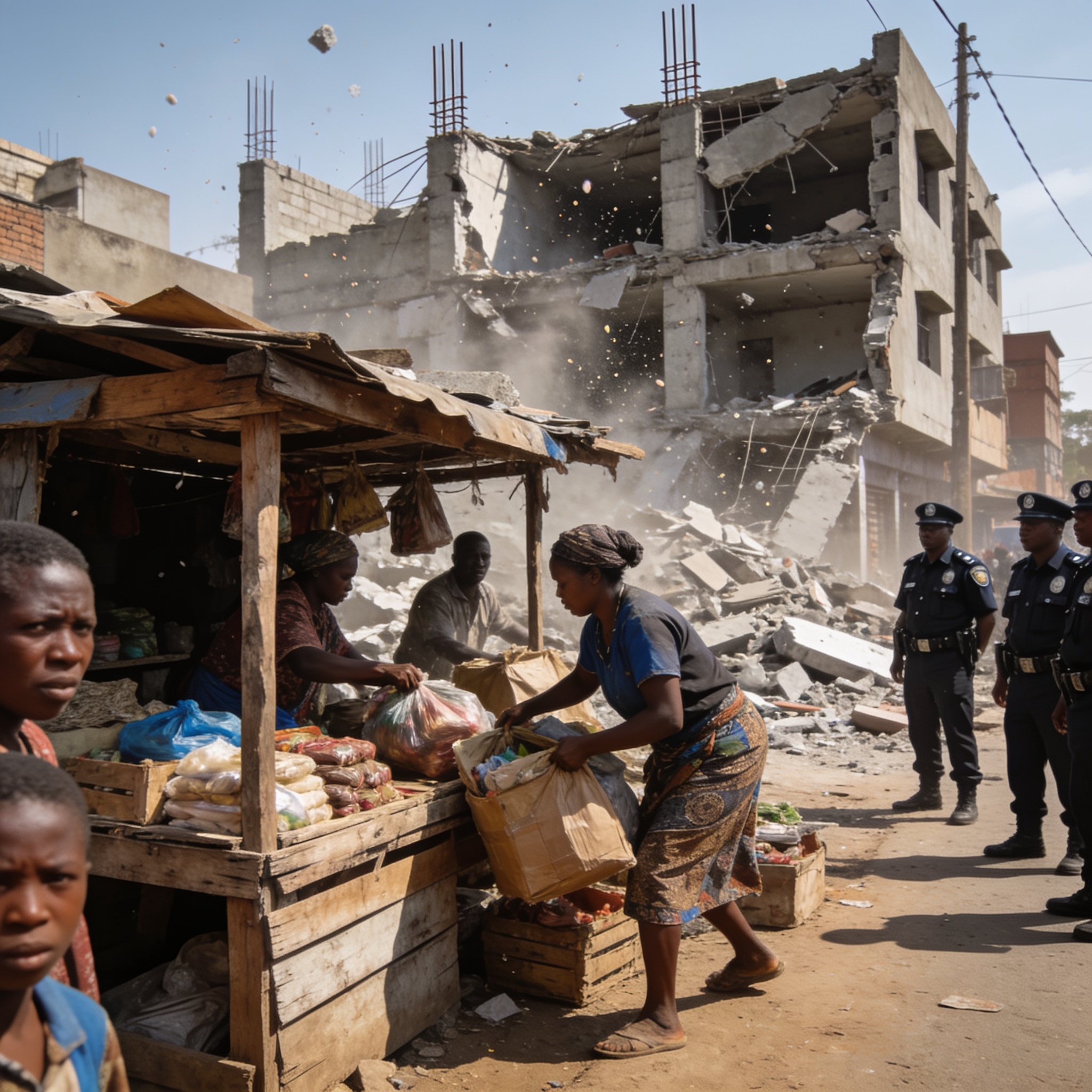
The demolitions have left families homeless and destroyed livelihoods built over years. Critics say the government’s approach ignores the harsh economic realities driving informal trade and unplanned settlements, and that a more humane, consultative strategy is needed.