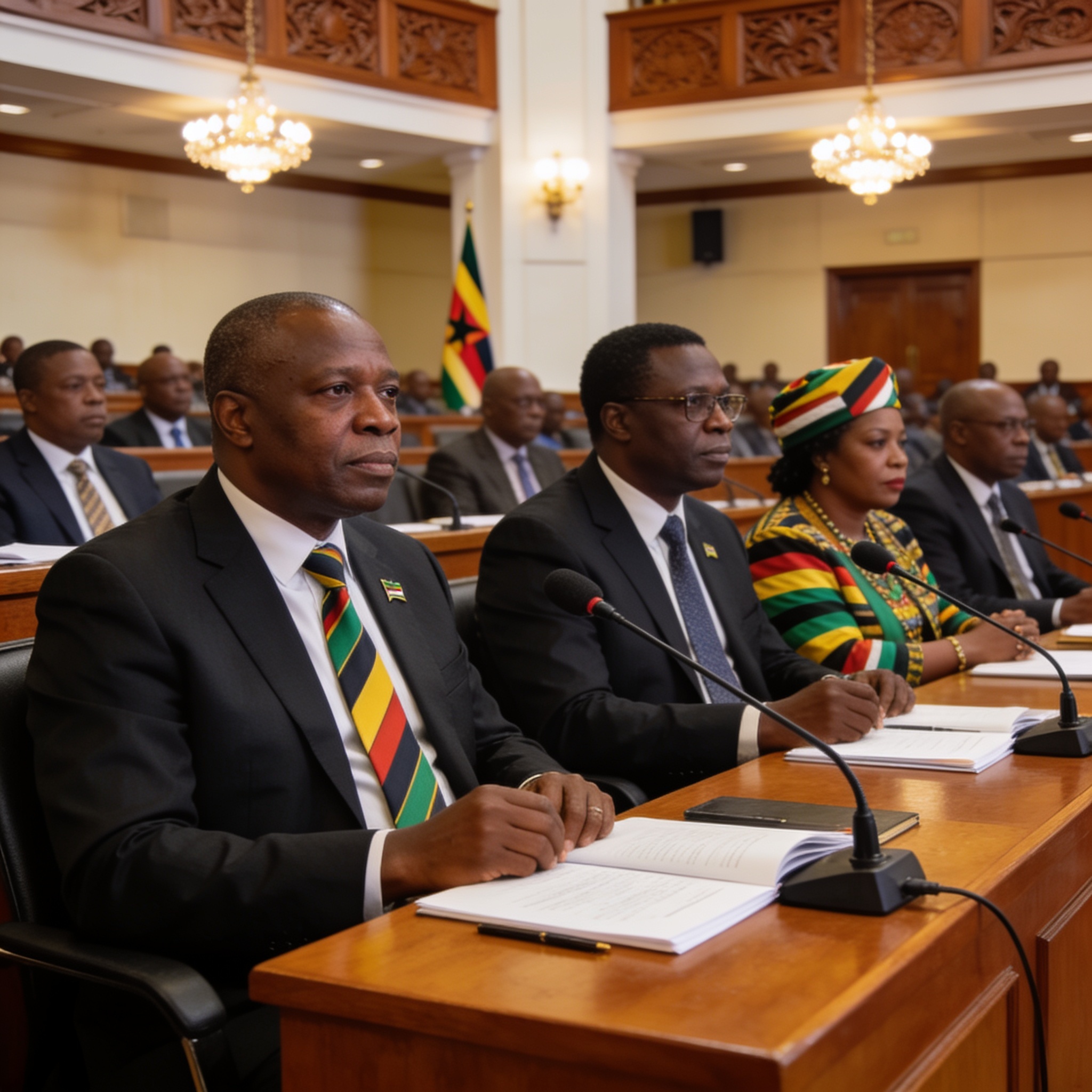
President Emmerson Mnangagwa’s 10 new senators were sworn in this week, marking the first use of a controversial constitutional amendment that expanded Zimbabwe’s Upper House from 80 to 90 members.
The appointees are Kudakwashe Tagwirei, Jabulani Sibanda, Mary Mliswa, Nokuthula Matsikenyere, Godwills Masimirembwa, Lucy Chitaga, Major-General (Rtd) Gibson Mashingaidze, Makhosini Hlongwane, Brilliant Dube and Irene Mutumbwa.
The swearing-in follows the enactment of Constitutional Amendment Act No. 3 (CAA3) in July, which gives the President power to appoint 10 senators based on their professional skills and other competencies after consulting the National Assembly.
However, the choices have drawn criticism from opposition figures and analysts who say the nominees were selected for their loyalty to Zanu PF and their support for the constitutional changes, rather than purely on professional merit.
Kudakwashe Tagwirei, who also serves as President Mnangagwa’s advisor, joined active politics last year after being appointed to Zanu PF’s Central Committee. He campaigned for CAA3 and is widely seen as a potential future successor to Mnangagwa.
Several other appointees are provincial party leaders: Jabulani Sibanda chairs Zanu PF in Bulawayo, Godwills Masimirembwa chairs the party in Harare, and Mary Mliswa leads Zanu PF in Mashonaland West. Makhosini Hlongwane, who largely stayed out of politics after the 2017 transition, returns through this Senate seat. Major-General (Rtd) Gibson Mashingaidze chairs the War Veterans League in Masvingo province and supported the constitutional reforms. Brilliant Dube was a member of the Constitution Defenders Forum, which opposed CAA3, but later changed her position and is believed to have been rewarded with a Senate seat.
With the new appointments, the Senate now has 90 members, and the ruling party’s influence in the Upper House is expected to grow.