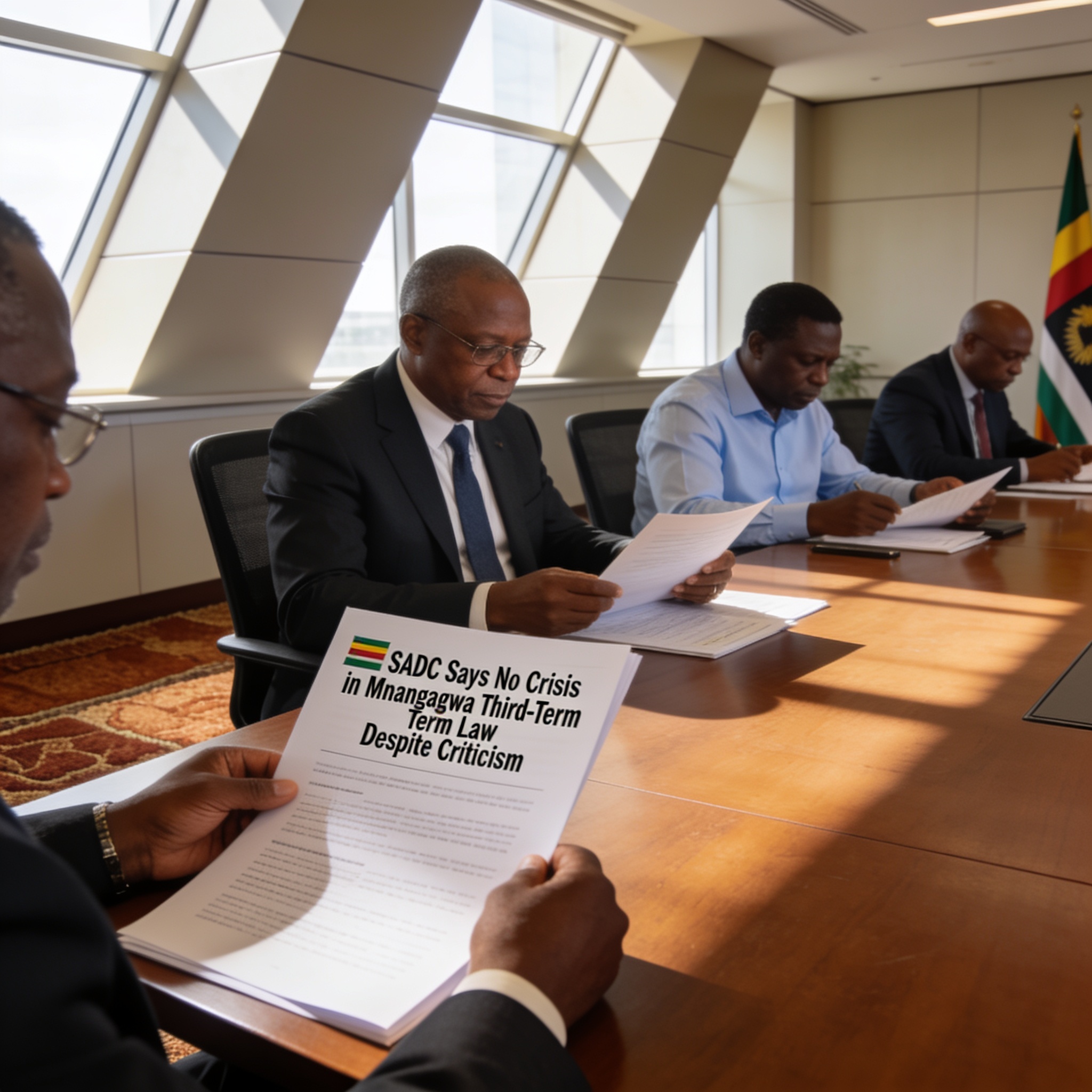
The Southern African Development Community (SADC) will not take a formal position on Zimbabwe’s contentious constitutional overhaul that extends President Emmerson Mnangagwa’s tenure and abolishes direct presidential elections, according to a senior South African official.
Vincent Magwenya, spokesperson for South African President Cyril Ramaphosa, told journalists on the margins of the SADC summit in Durban that the regional body sees no need to comment because the changes followed legal steps within Zimbabwe.
“You have to look at how the processes unfolded; it is a process that has kind of followed various domestic legal steps. Obviously, a process of that nature will draw some criticism; there will be others that express grievance against it,” Magwenya said.
He added that SADC does not normally express views on domestic processes as long as they operate within domestic legal frameworks, and that the situation has not constituted a crisis requiring regional intervention.
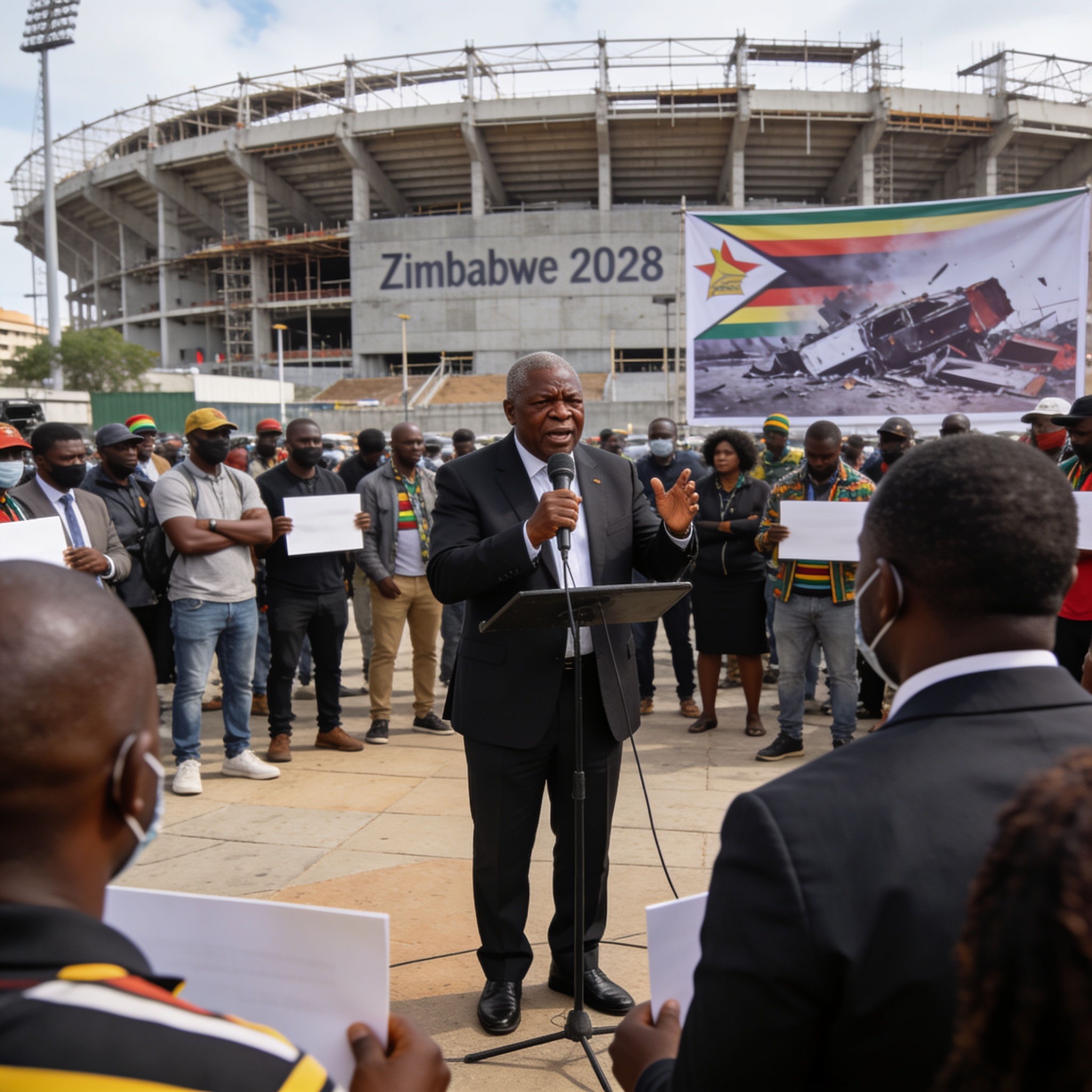
The Constitutional Amendment Act 3 (CAA3), signed into law in July, extends Mnangagwa’s current term from 2028 to 2030, removes the direct election of the president by citizens, and transfers voter registration from the Zimbabwe Electoral Commission to the Registrar General’s office.
Critics and opposition groups argue the amendments should have been subjected to a referendum, but the ruling Zanu PF successfully challenged that requirement in the courts.
South Africa assumed the SADC chairmanship at the Durban summit, which concluded on 17 August. The bloc’s reluctance to engage on Zimbabwe’s constitutional changes comes despite widespread local and international criticism.
In a related development, Mnangagwa used powers granted by the new law to appoint ten additional senators, including Kudakwashe Tagwirei, widely seen as a likely successor.