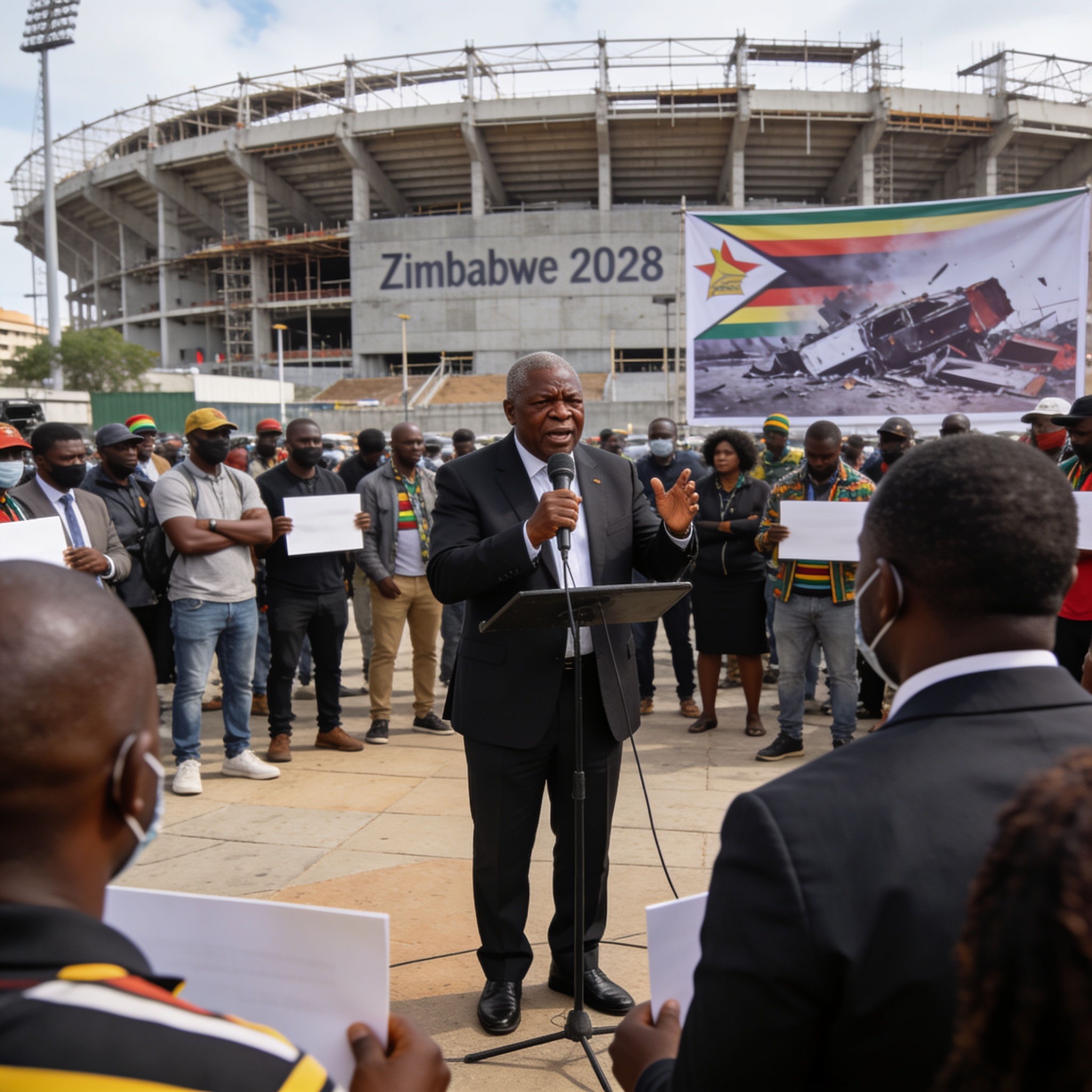
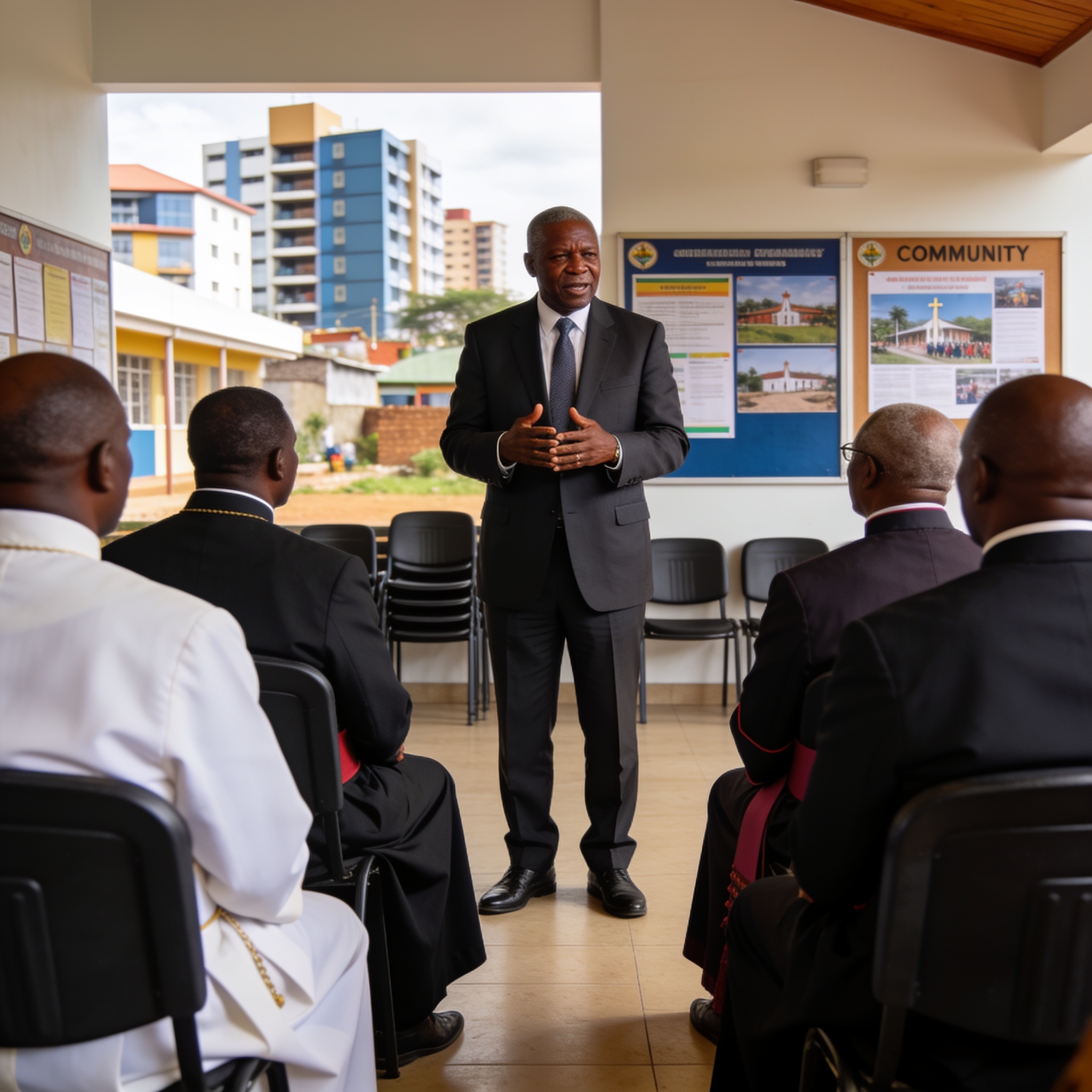
President Emmerson Mnangagwa has issued a direct appeal to Zimbabwe’s religious community, asking churches to step out of their traditional confines and join hands with the state in driving economic growth and social transformation. The call was made on Friday during the National Spiritual Conference, a gathering that brought together faith leaders from across the country.
Mnangagwa told delegates that while spiritual leadership remains vital, the nation now requires the church to play a more practical role in areas such as food production, skills training, and community rehabilitation. He noted that religious institutions have a broad grassroots network that can be mobilised to support development projects in both rural and urban areas.
The President argued that the country cannot achieve its development goals if the church remains only within the sanctuary, because congregations are made up of the same citizens who need jobs, food, and hope. He urged religious leaders to work closely with Government to turn that hope into tangible progress.
Churches as partners in national vision
The President emphasised that the church has historically been a unifying force in Zimbabwe, and that same influence should now be directed toward productivity and self-reliance. He encouraged faith-based organisations to establish agricultural cooperatives, vocational training centres, and income-generating projects that align with the country’s development agenda.
Mnangagwa also acknowledged the efforts of those churches already involved in education and health, but insisted that more can be done to combat poverty and unemployment, particularly among the youth. He called on religious leaders to preach a message of hard work and innovation alongside their spiritual teachings.
The National Spiritual Conference is part of ongoing engagements between the Government and the faith community aimed at fostering unity and shared responsibility for national progress. Participants are expected to develop concrete action plans for church-led development initiatives in their respective regions.